Five assets Ben won't run a studio without, and why the website comes last.
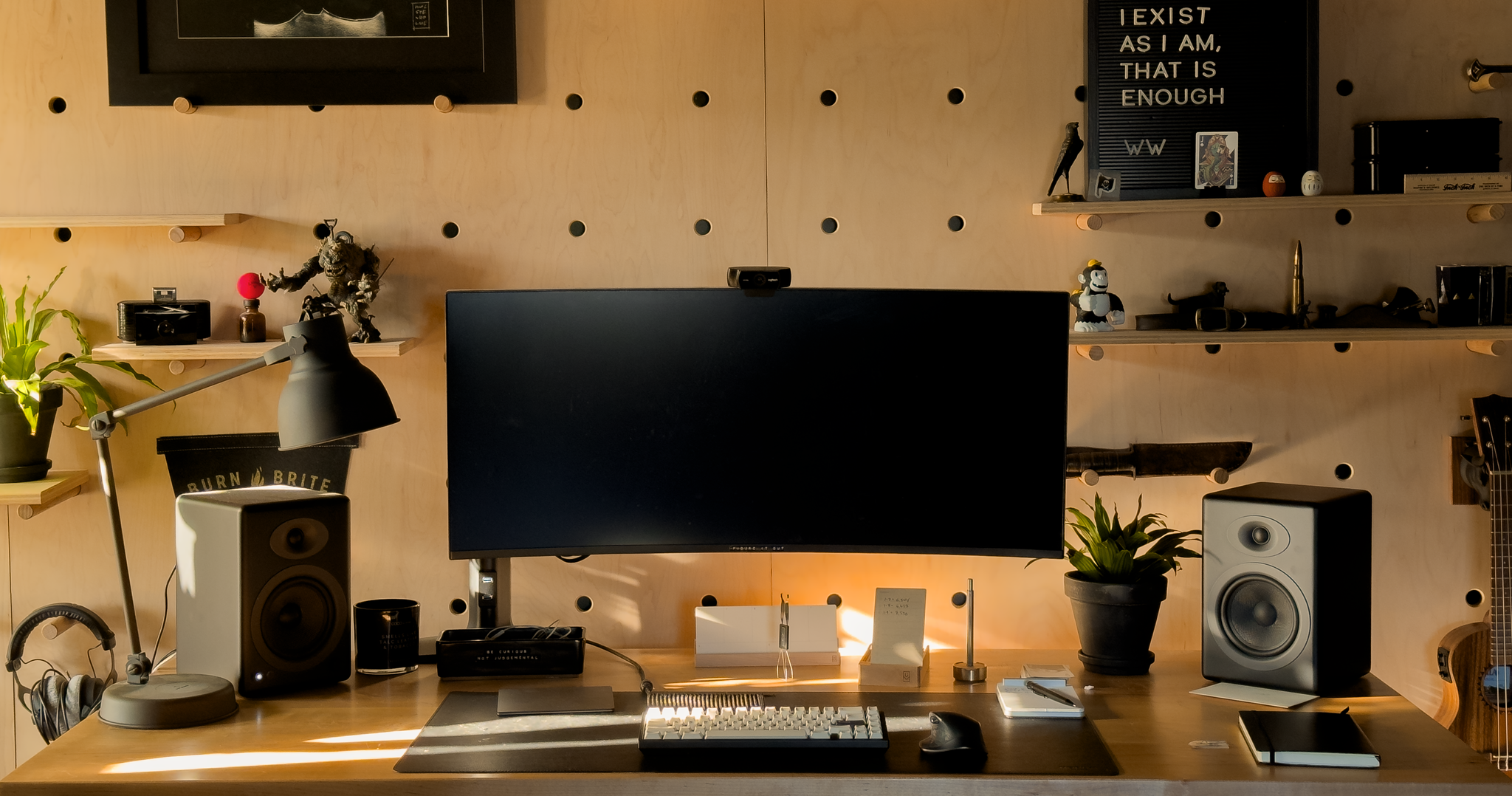
You don’t need much to run a creative studio, but there are some things that I wouldn't do without.
Here are the five foundational assets I recommend that every studio owner should have. And yes, that includes you, freelancers. These are essential for every stage in the journey, so whether you’re just starting out or you’re getting ready for that next phase in your business, make sure you have these five things squared away:
Capabilities Presentation
This is basically your pitch deck. It should outline who you are, what you do, and why clients should hire you. But you can’t just say this stuff, you have to prove it. Your cap deck should be the home of your body of best work. Bonus points if it’s in case-study format.
It’s a portfolio on steroids, with deep dives into the creative journey and the reasoning behind the final execution.
Once you’ve created it, your cap deck can be used as a live presentation, emailed out to potential clients as an attachment, pieced apart for social media content, replicated as website content, and even used in place of a proposal for price fishers.
Proposal Template
A proposal is a sales tool, not a contract. It’s a document that communicates who you are, what you do, and outlines the scope of work, timeline, and investment for a potential project.
I like to think of it as a detailed recap of a sales conversation - not a replacement.
And while you may not use a proposal for every sale, it may tip the scale in your favor when you have a warm lead that needs a little extra convincing. Having a template that’s ready to go, with pre-written copy and tailored to your services can speed up the sales cycle. It can also convey an air of professionalism and pride in your craft.
Contract
A contract is what defines the working relationship between you and your client in writing. It should cover specifics about the structure of that relationship, a detailed breakdown of what work should be done, how much that work costs, who owns what once the work ends, and what happens if something goes wrong.
I look at contracts like a guided conversation. It’s all the things that you and your client should talk about (and agree on) ahead of time… but usually don’t come up. When else are you going to talk about points of contact, payment terms, and revision quantity?
Contracts are a necessary evil asset: They set expectations, reduce confusion, and have guidance if things go south.
Oh and by the way, we’re bringing in an incredible attorney to talk about contracts very soon. Don’t miss out on that one.
Presentation Template
Oh man if I had a dime every time I saw creatives email artboard screenshots to clients for approvals… I would have several dimes.
If this is you, no shame.
OK a little shame… Let’s talk about it. If you deliver great work, wonderful. The work is the product you sell. But how you deliver the work—the presentation—is the packaging. I can’t tell you how many times a good concept has gone to waste because I didn’t present it in an appealing way.
During the course of client work, or any creative endeavor, there are so many opportunities to use a presentation template. Think of kicking off a project, recapping discovery insights, presenting the first round of executions, or delivering the final work.
My templates typically show a review of the recent steps and project goals, the work in an isolated view, the work in context, and next steps.
If you have a template that’s ready to roll for these presentations, it makes the entire project flow faster while selling the work more effectively.
Website
Last, but certainly not least, is your website. While this is an essential asset, your website can be the last thing you create. Especially after creating your capabilities presentation and presentation templates, you should have all the content you need for a simple studio website.
Just like the cap deck, your website should explain who you are, what you do, and give compelling proof that backs up those claims. Bonus points if we can catch your vibe (your brand).
Think of your website like your digital storefront. It might not be the first thing potential clients see when they encounter your studio, but it should showcase enough good work to make them want to work with you.
At a minimum, all you need is a solid homepage that communicates the who/what/why, your body of work (with tons of great visuals), and a way for potential clients to take the next step.
Don’t overthink this (he says to himself).
That’s it. Five essentials and you’re well on your way to a happier, healthier creative studio. If you’re missing one… or five… we’ve got you covered. In the division, we’ve either created these templates for you, or have curriculum that will help you create them yourself.
Hope that helps!
Ben Burns
Co-Founder, Maker Division
P.S. One of the best parts about Maker Division (outside of the people, of course) are our templates and resources. If we can do the work for you, we have. I'll be working on a brand new style guide resource here soon - one of hundreds of resources available to members. Join here.
P.p.s. If you're in branding, you won't want to miss tomorrow's live event in the Division. Join today and you can join us live tomorrow.
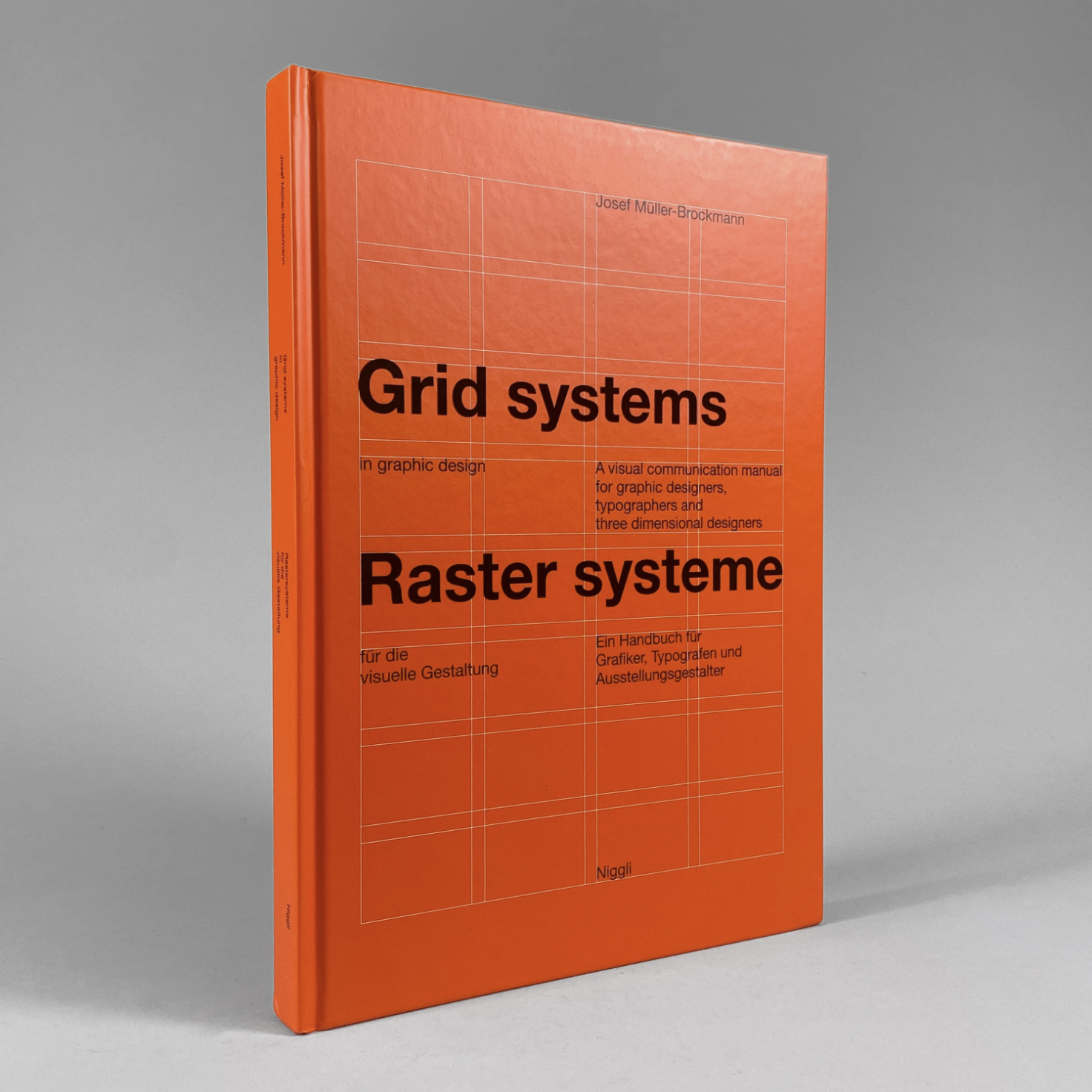
Grid Systems
On the Bookshelf
I can't tell you how often this book arrives on my desktop. I design a lot of slides, sites, and documents, and this is chock full of interesting grid ideas.
CeramicPapi
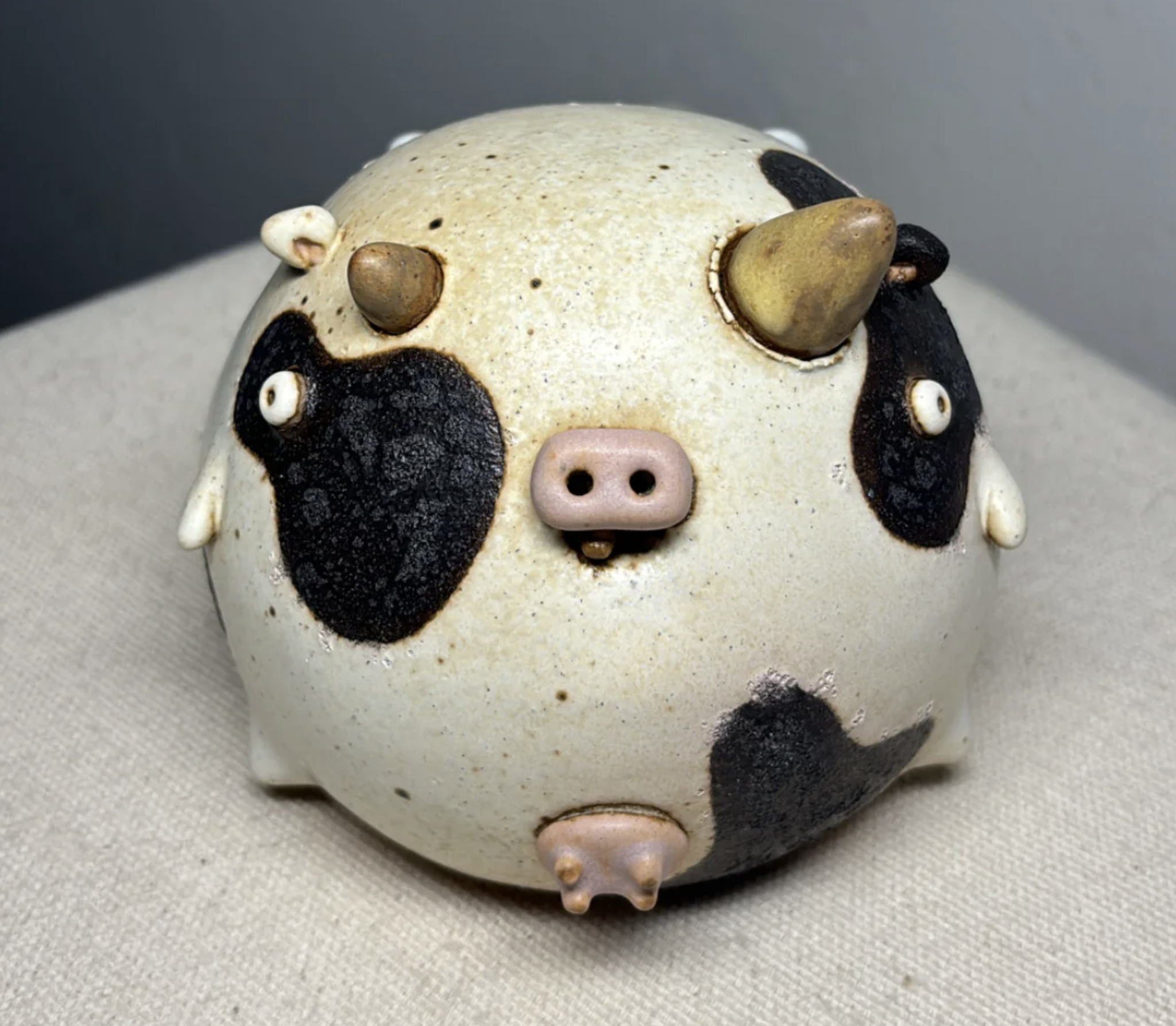
Artist We Love
I can't tell you how many times I laughed out loud as I scrolled through this feed. These ceramic creations are cute, funny, and a little inappropriate at times. Just what the doctor ordered.
All Caps
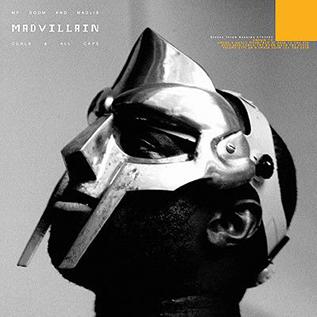
Now Playing
All Caps by Madvillain has been the most recent tune on repeat in my studio. It's a throwback to the early 2000s, but it feels at home on the speakers as anything recently produced.
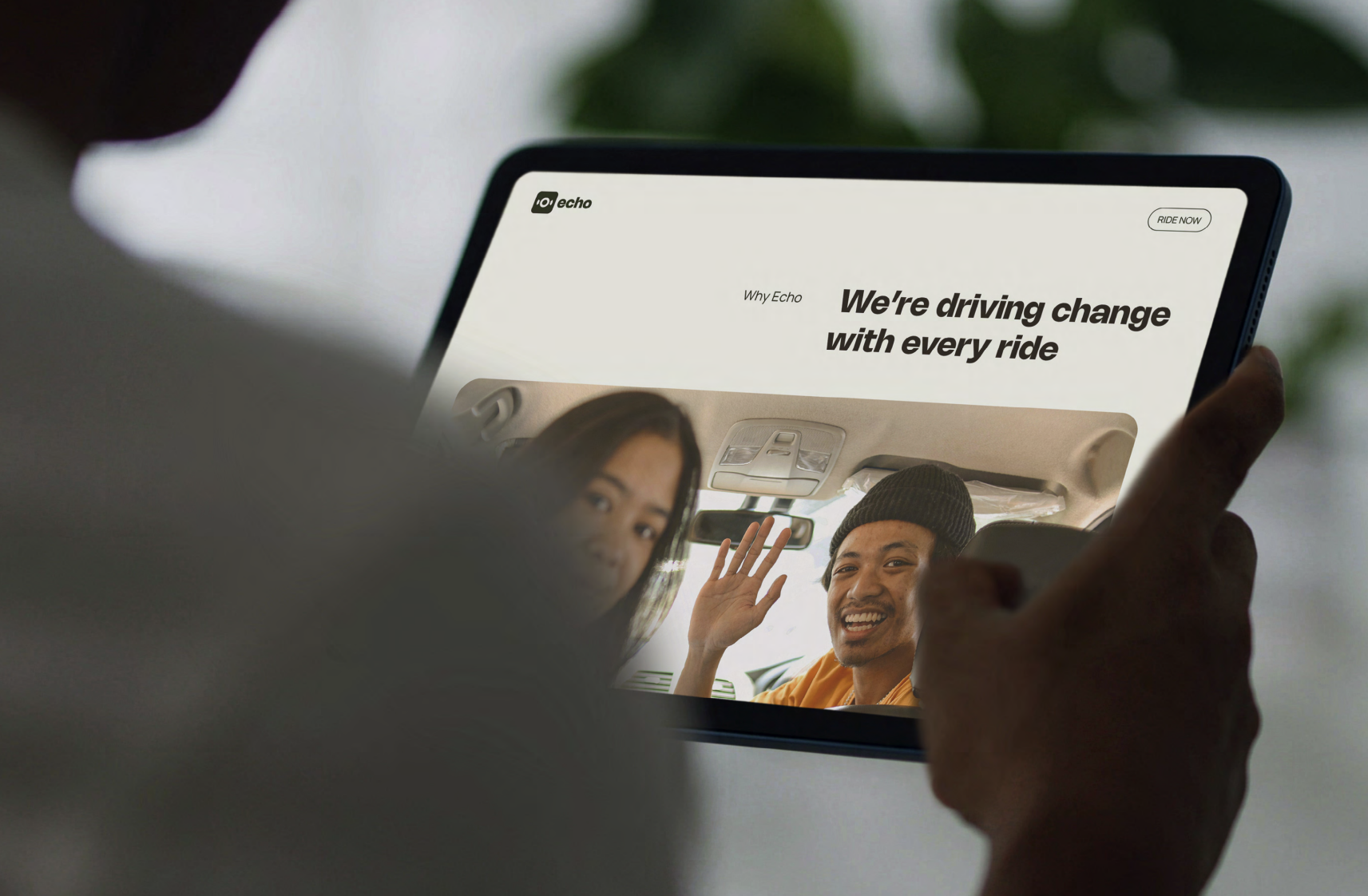
Creative business isn’t always smooth sailing.
When Jordan Sigmund hit a dry spell after five years of freelancing, he felt it hard. Instead of spiraling, he came back to the Division. With support from the community, coaching, and the curriculum, he rebuilt his momentum and landed a $15,000 project—his biggest to date.
Jordan is proof that a strong network, the right tools, and a little belief can go a long way. We’re lucky to have him in the crew.
Jordan Sigmund

Division Win
I recently found myself almost completely out of work for the first time since I started freelancing full time nearly five years ago. I panicked for a moment, and then came back to the Accelerator group for some guidance. Between some insightful back and forth with other members, much needed coaching, and progression through the curriculum, I was able to reinvigorate my network and pack out my schedule.
One of those projects is my largest to date, well into 5 figures.


RElated issues
The best career advice I've heard all year.
Trent Reznor gave me an idea.
The hats you never wanted to wear…
Build a creative business you love
Start with a side hustle. Grow into full-time freelance. Scale into a studio. Maker Division gives creatives the systems, feedback, and community to keep growing.