We believe
People who make should be able to make a living
Your creative studio isn’t just some ‘little business.’ It’s how you make a living... from work only you can make. That’s why Maker Division exists.
What we do
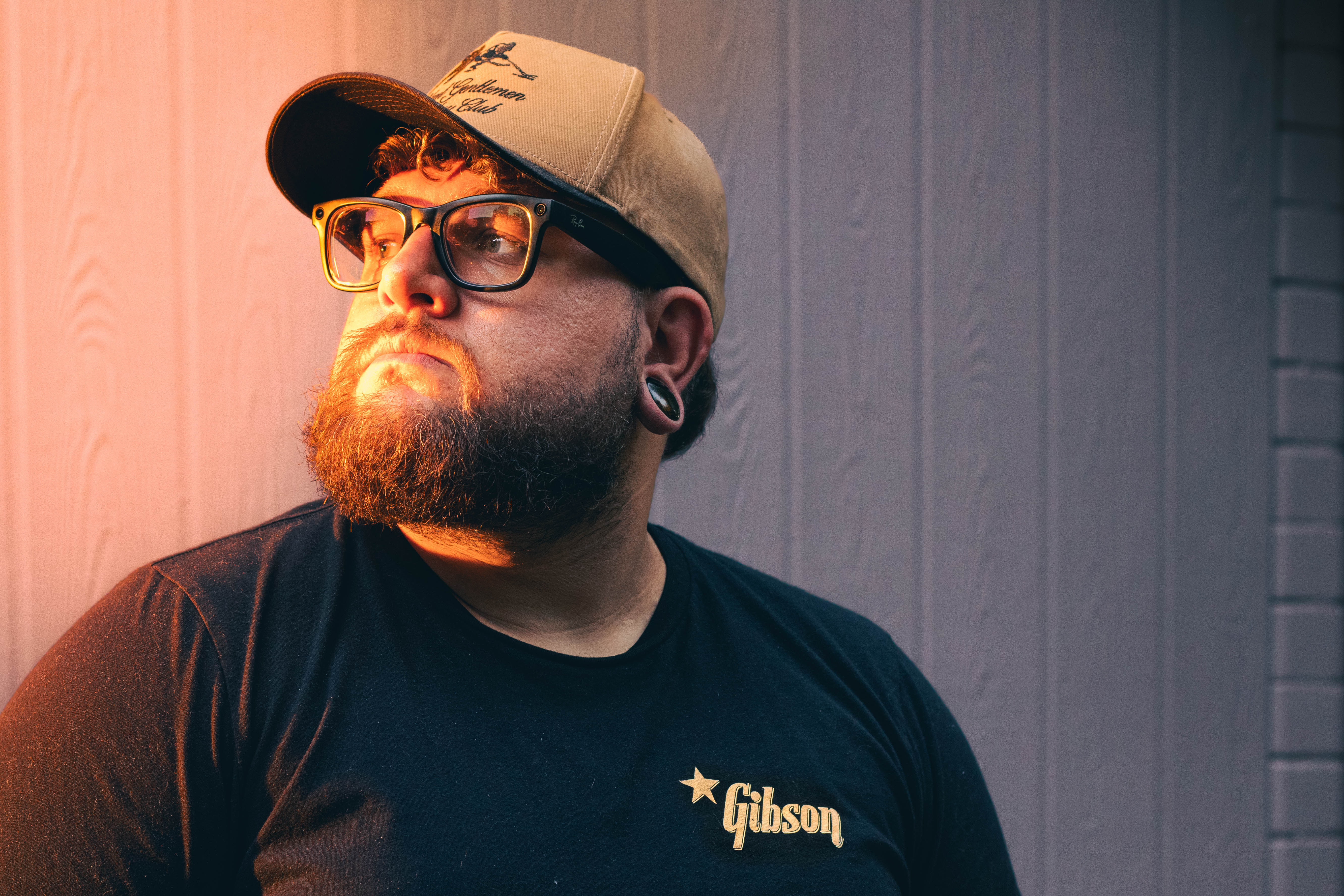
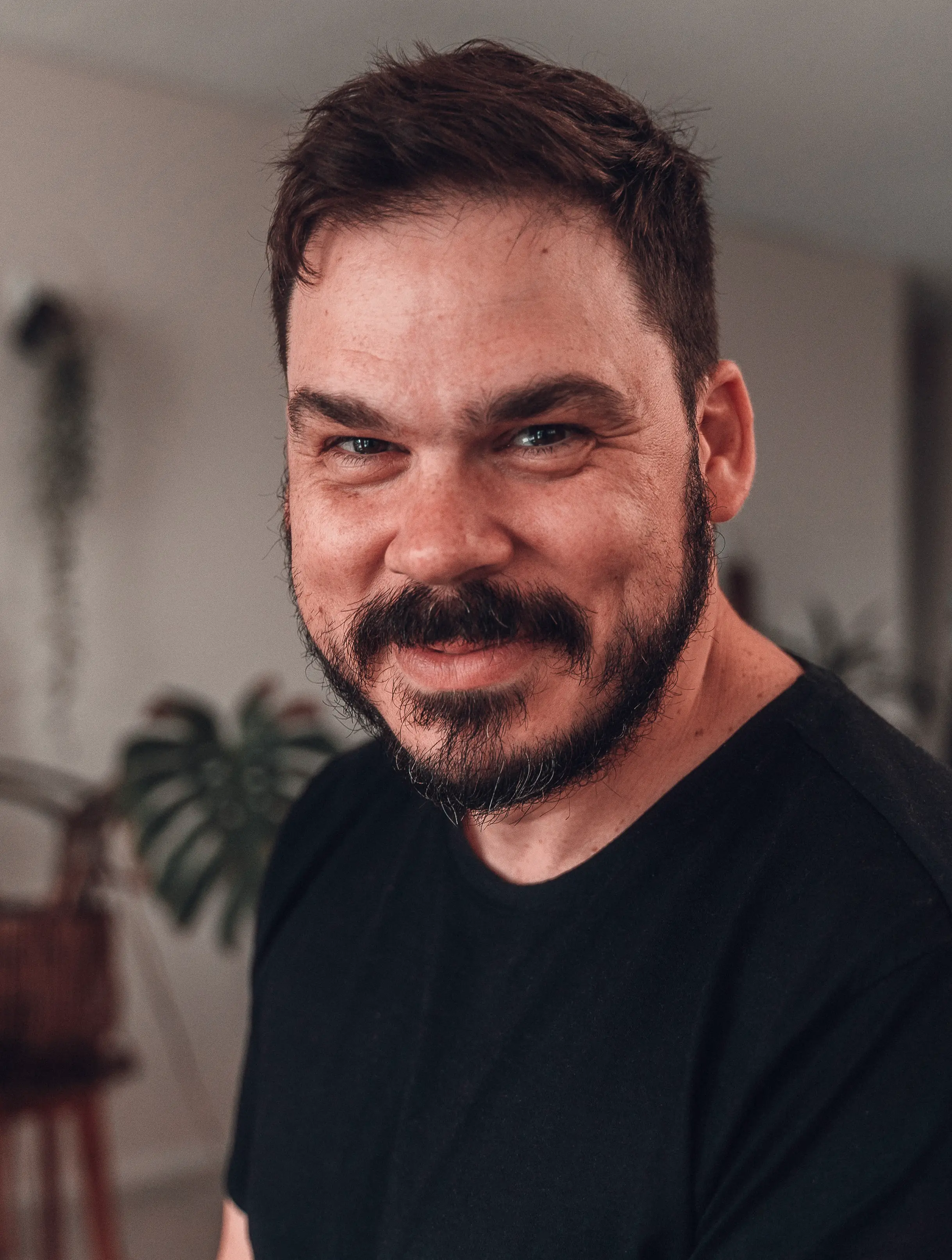
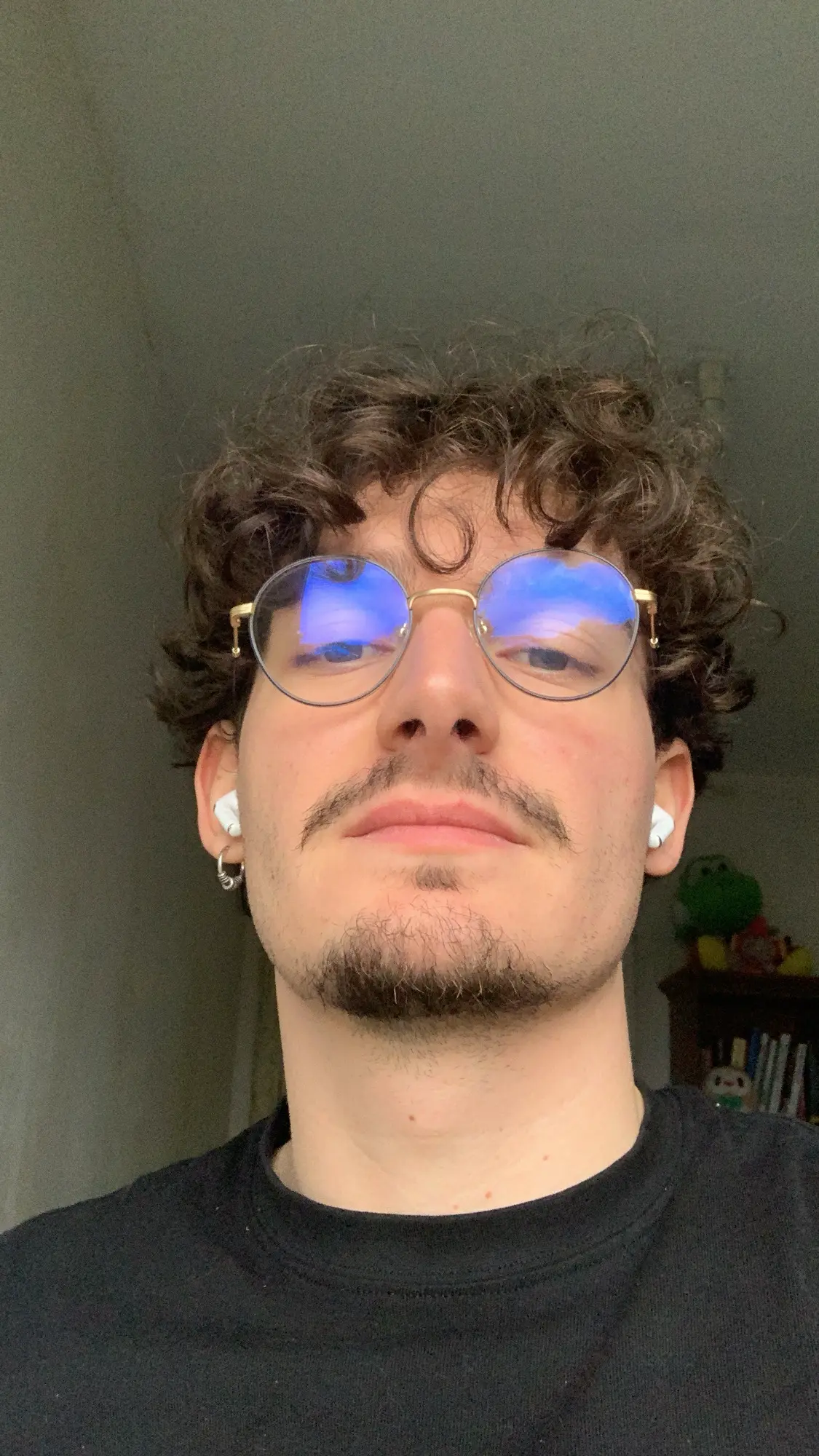
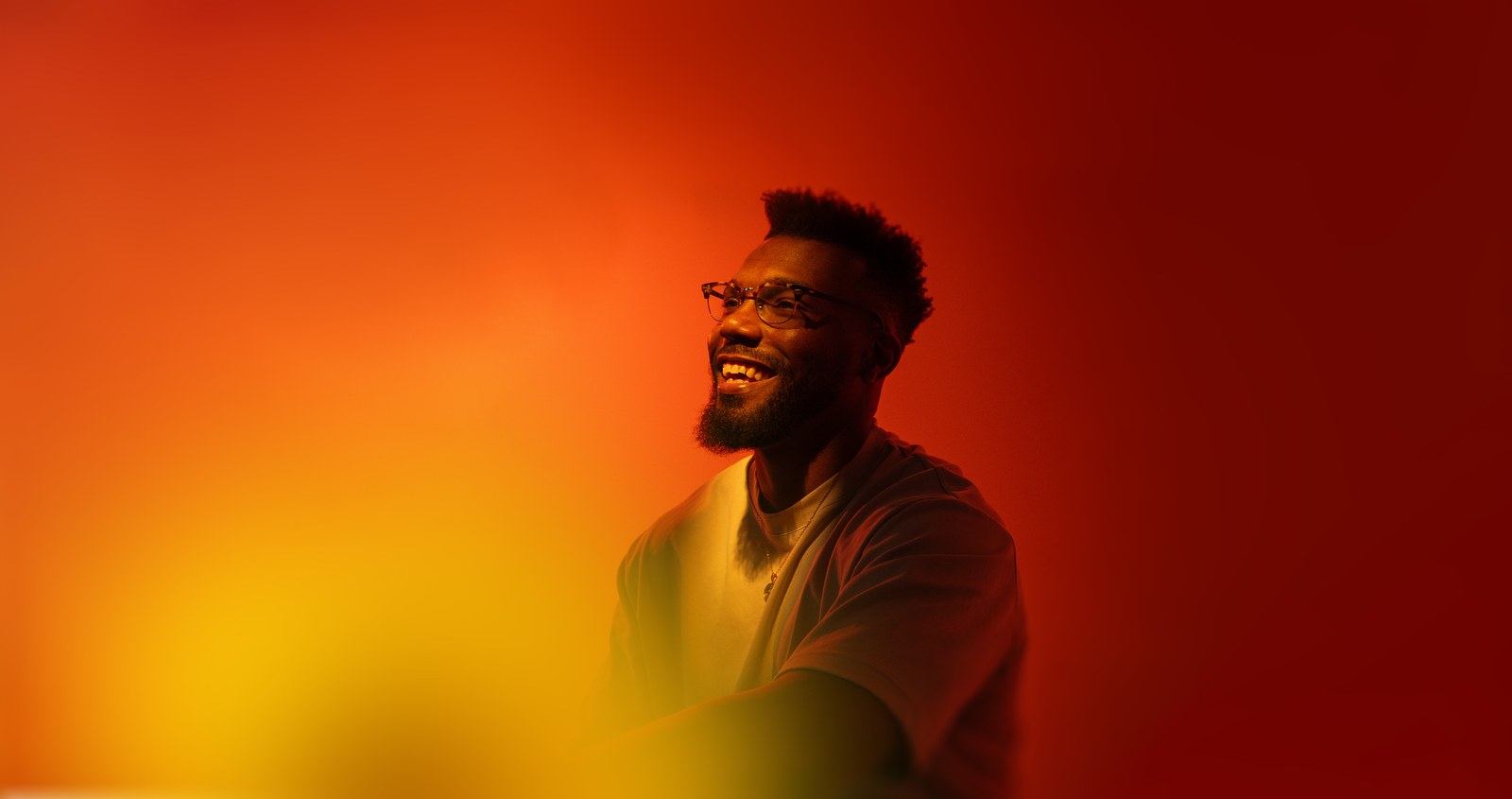

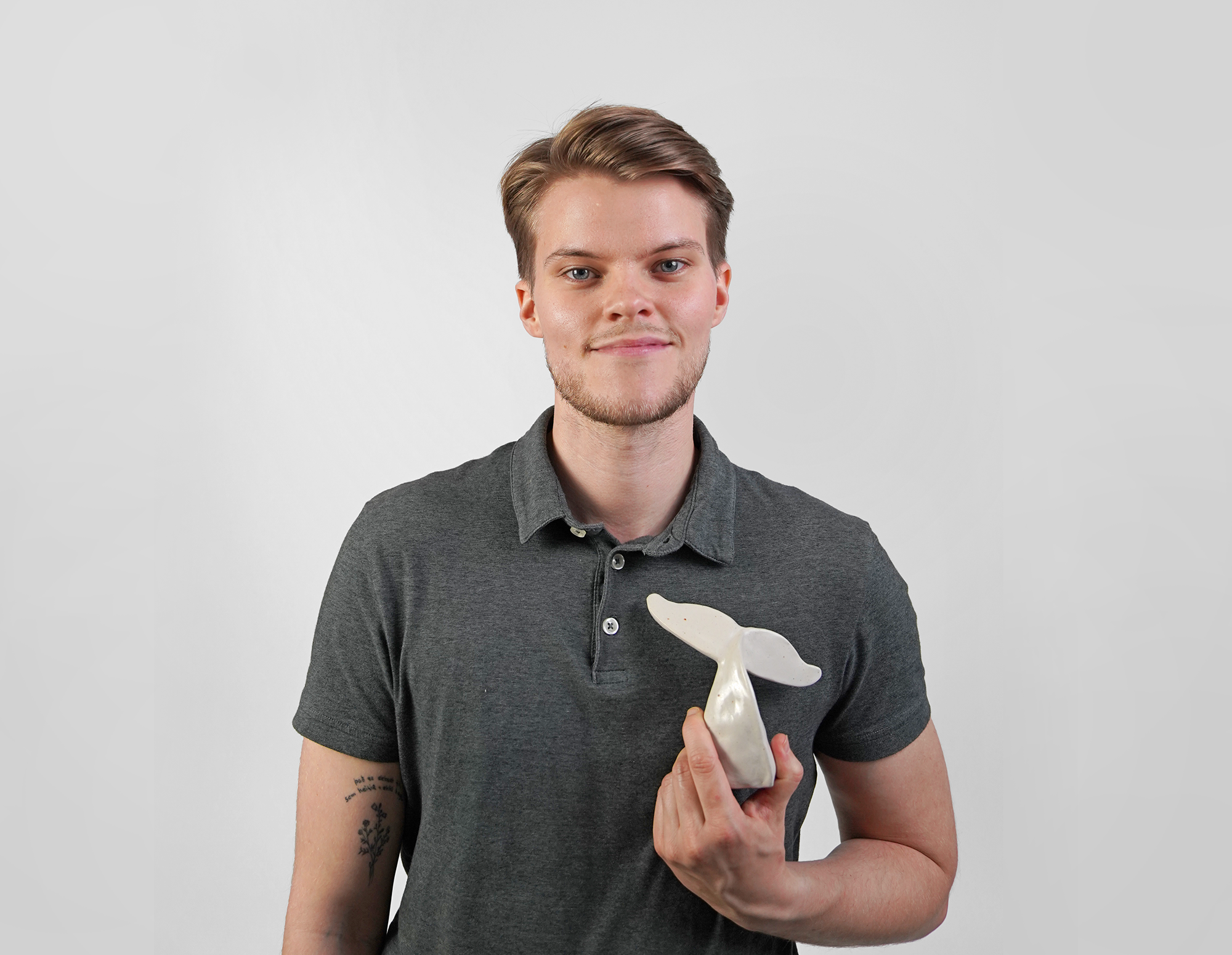
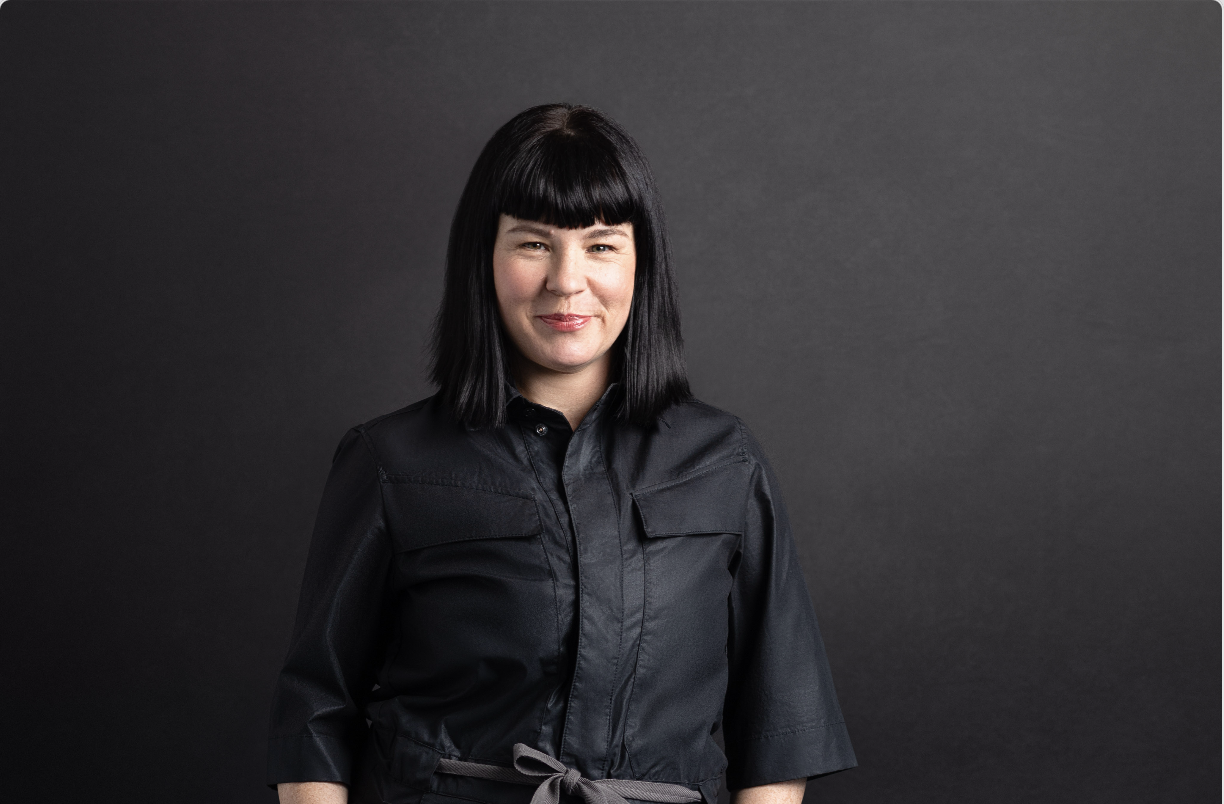
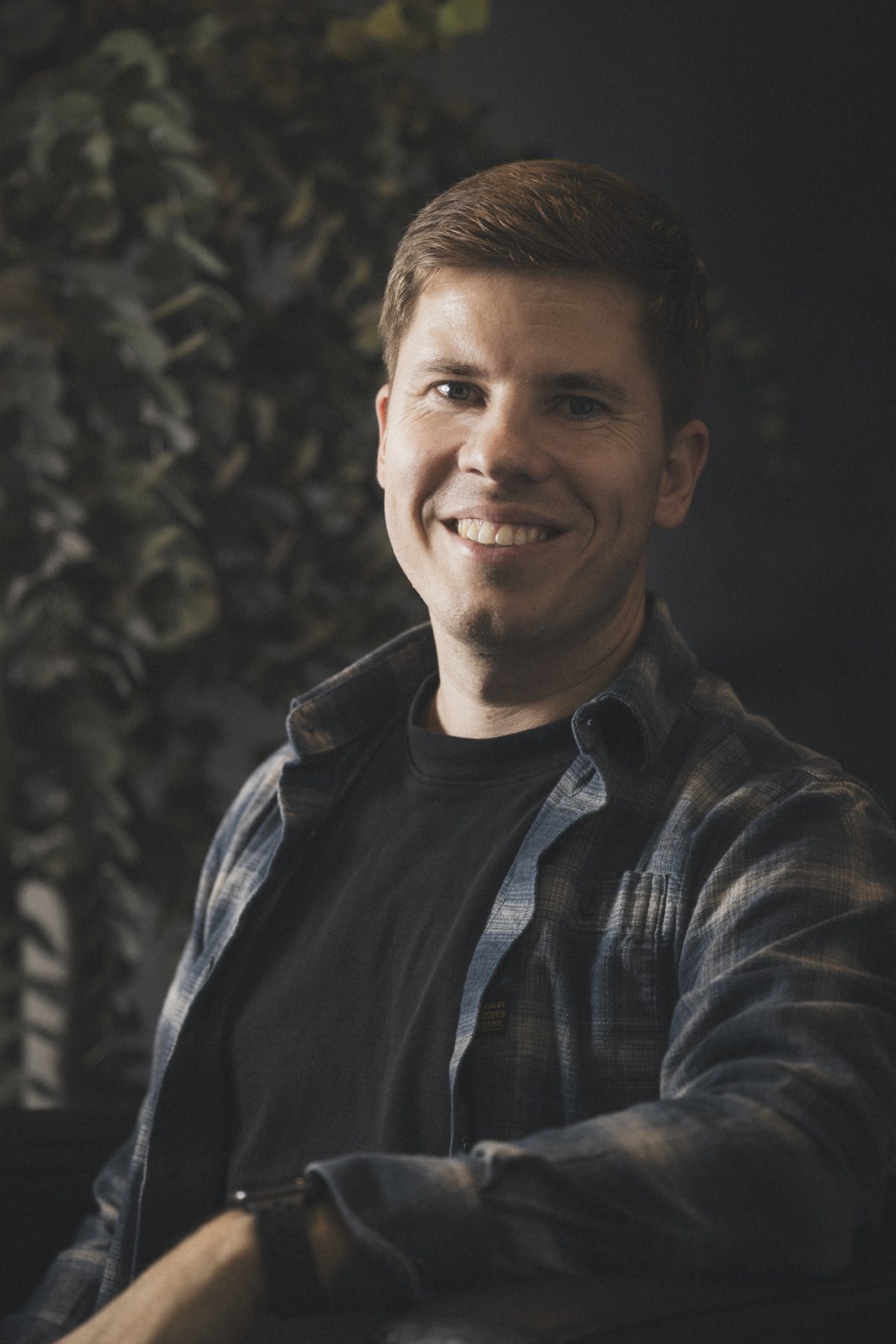
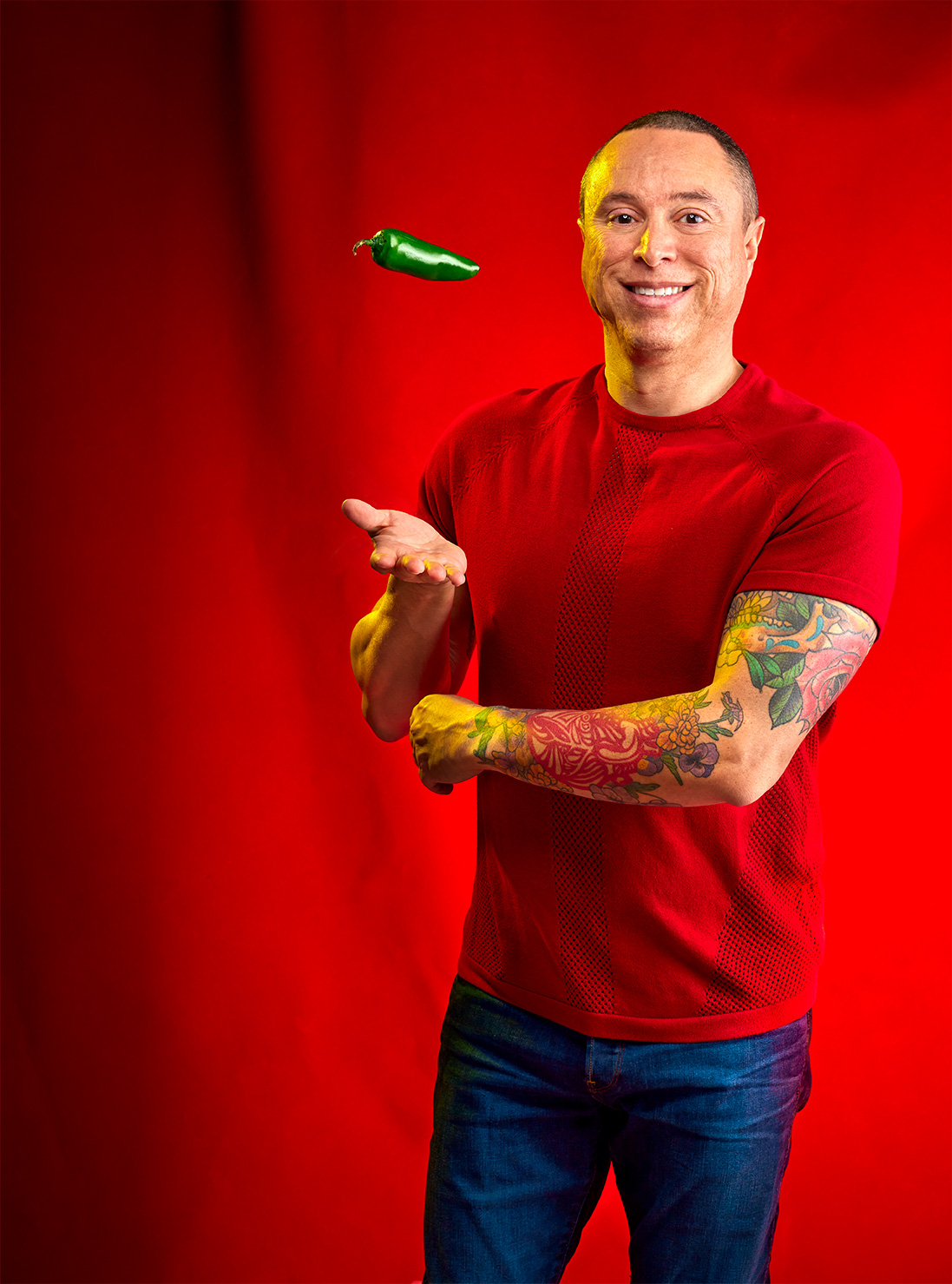

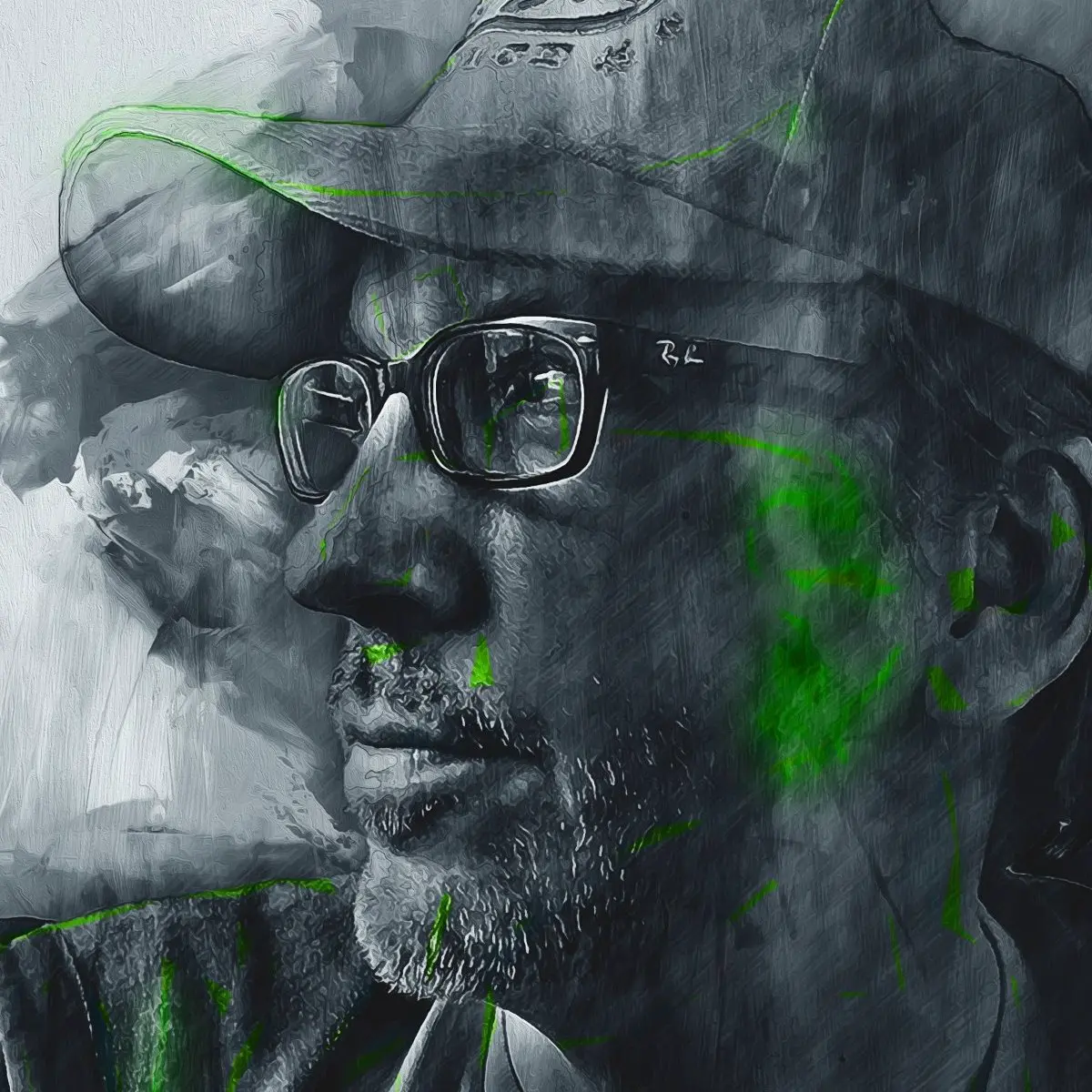

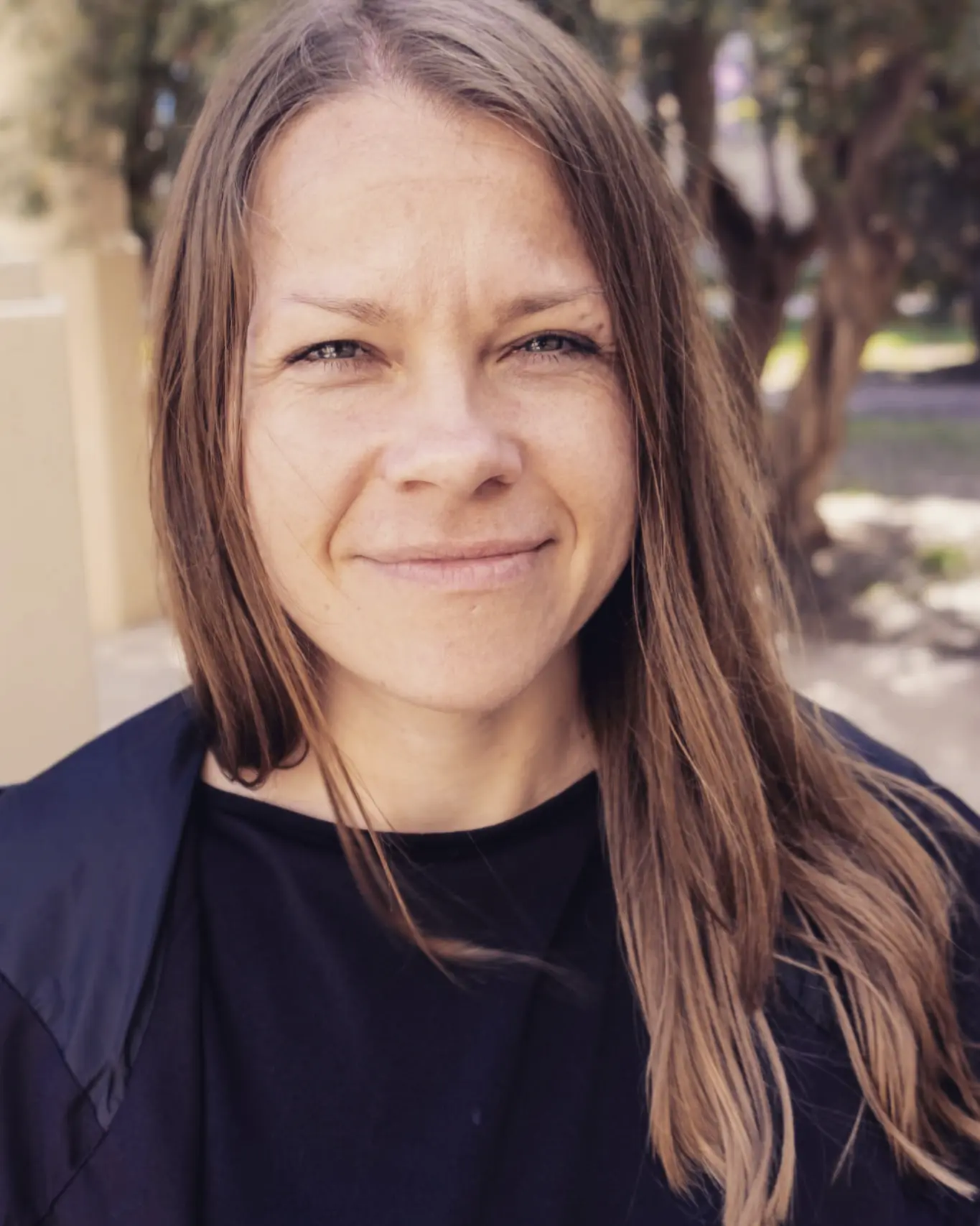
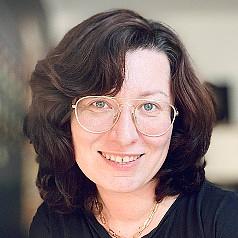
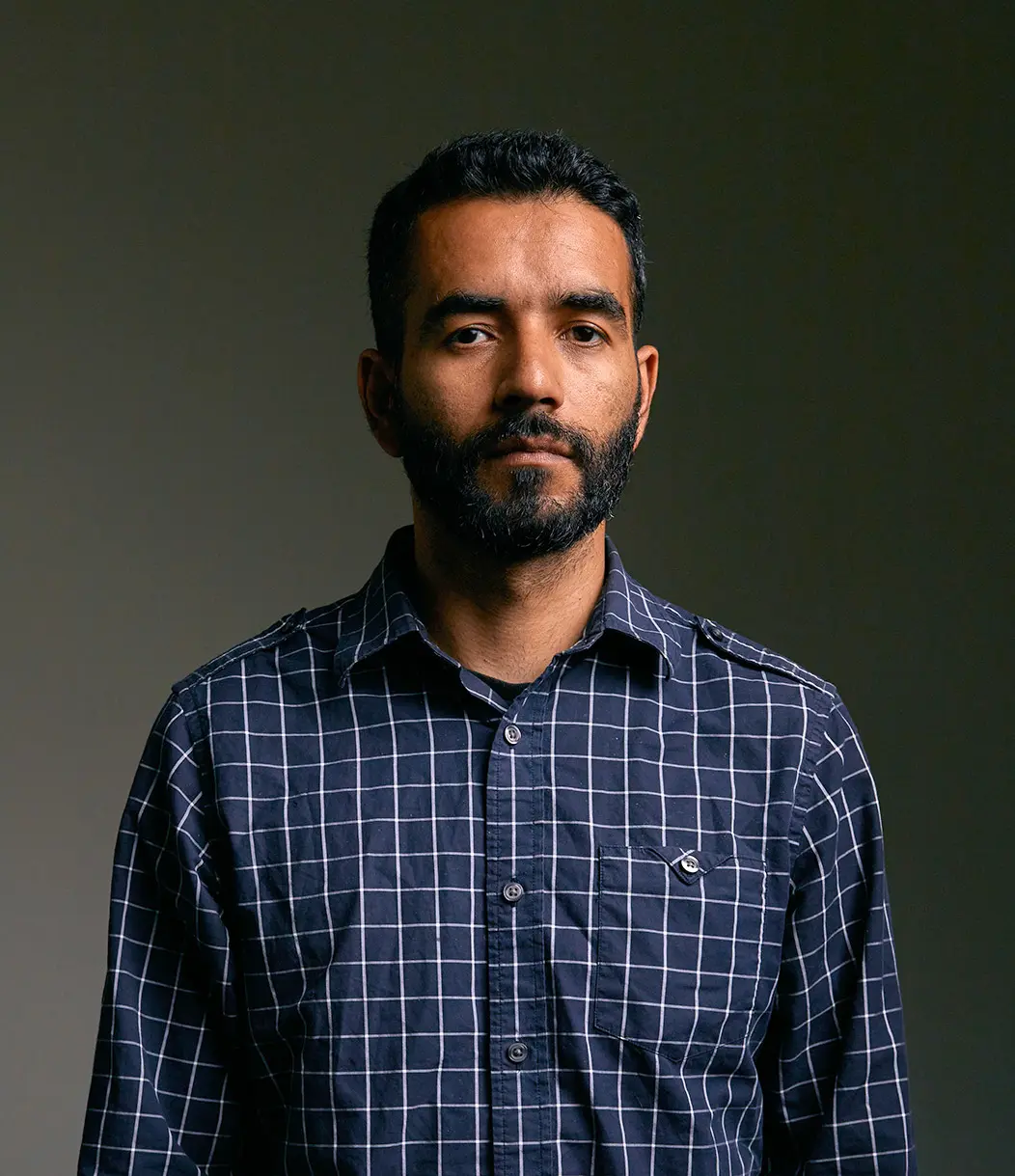
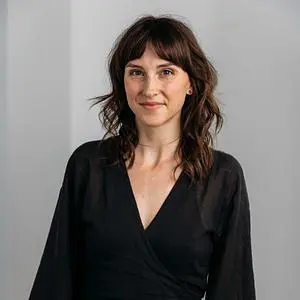

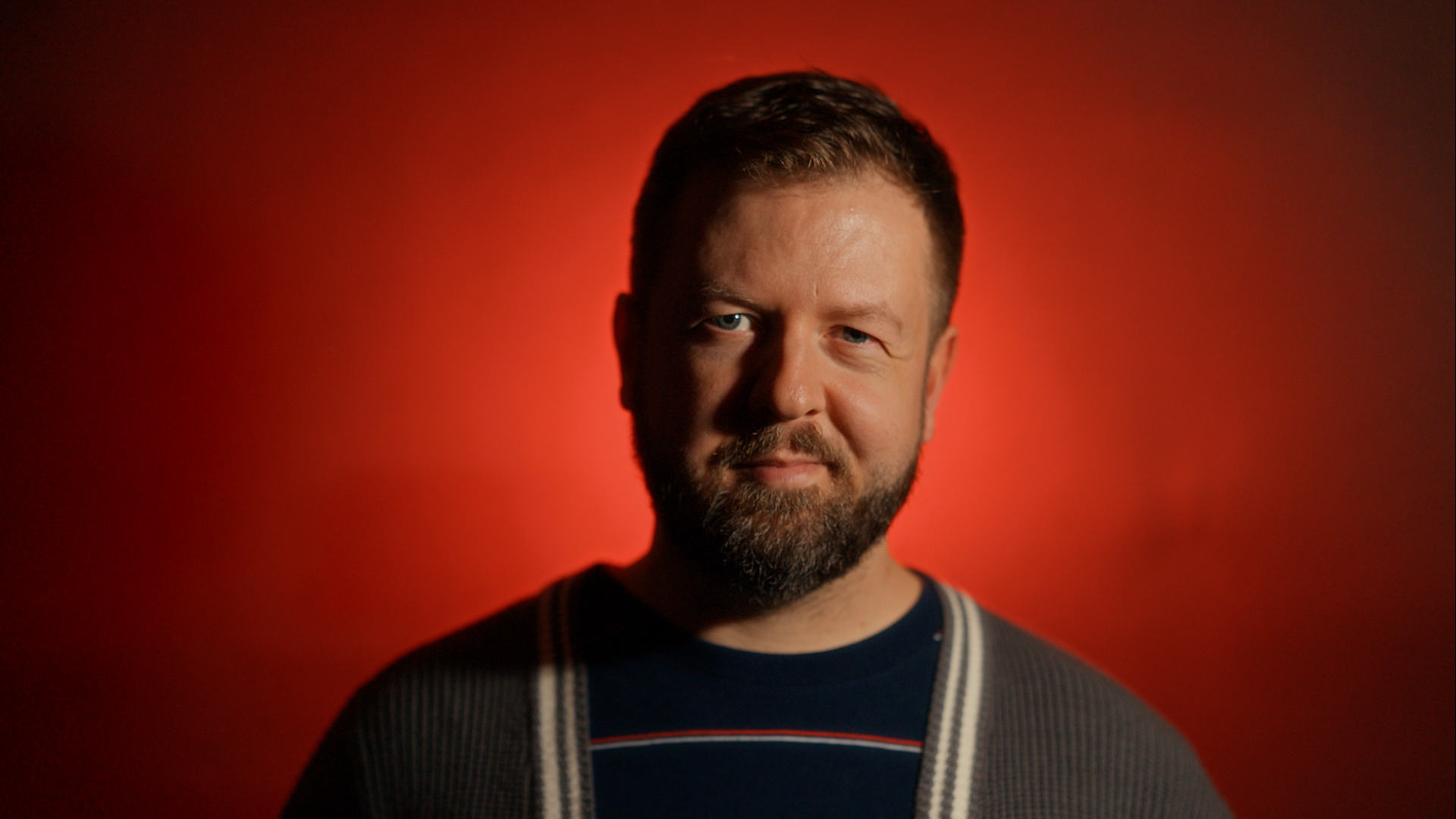
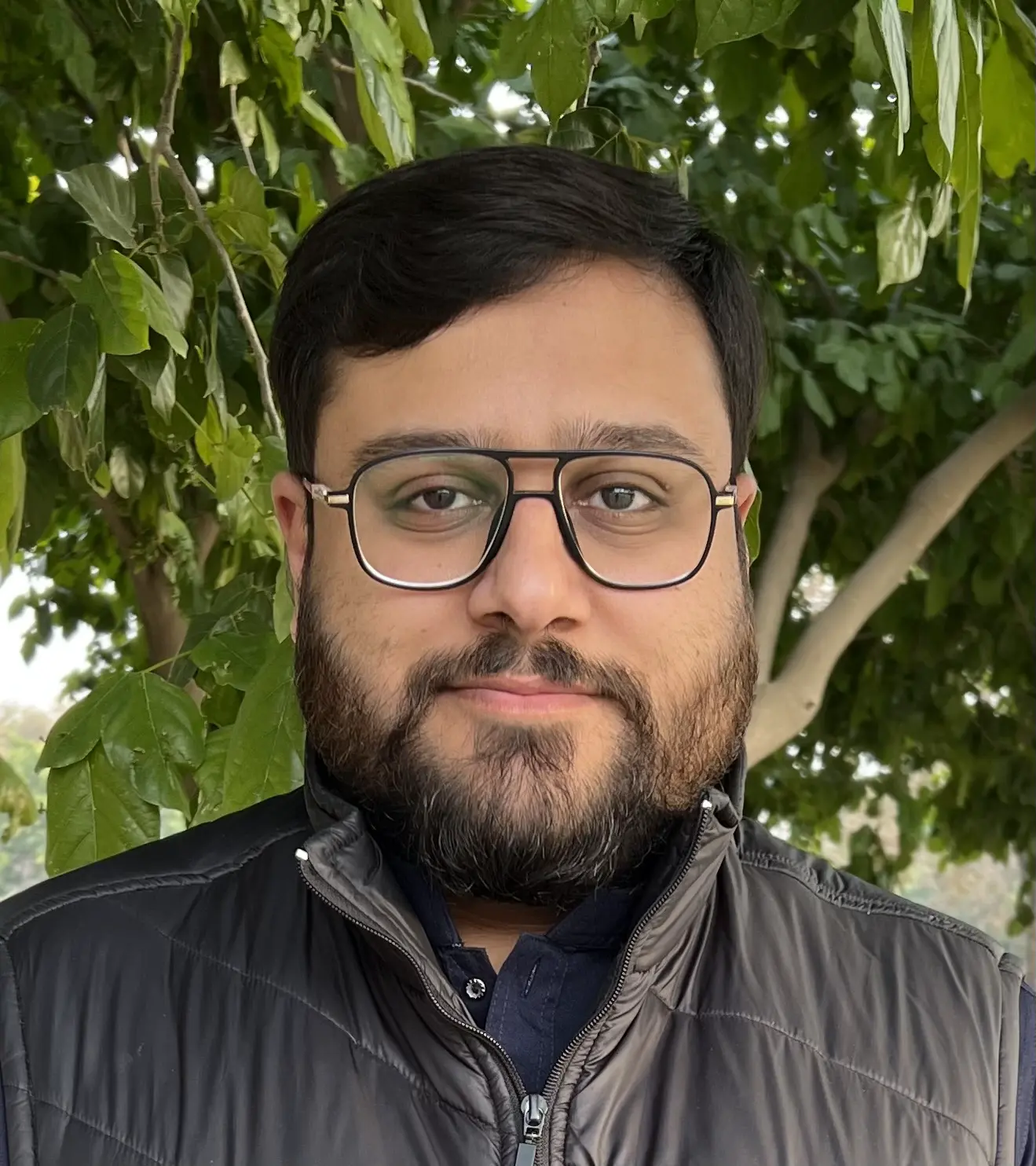
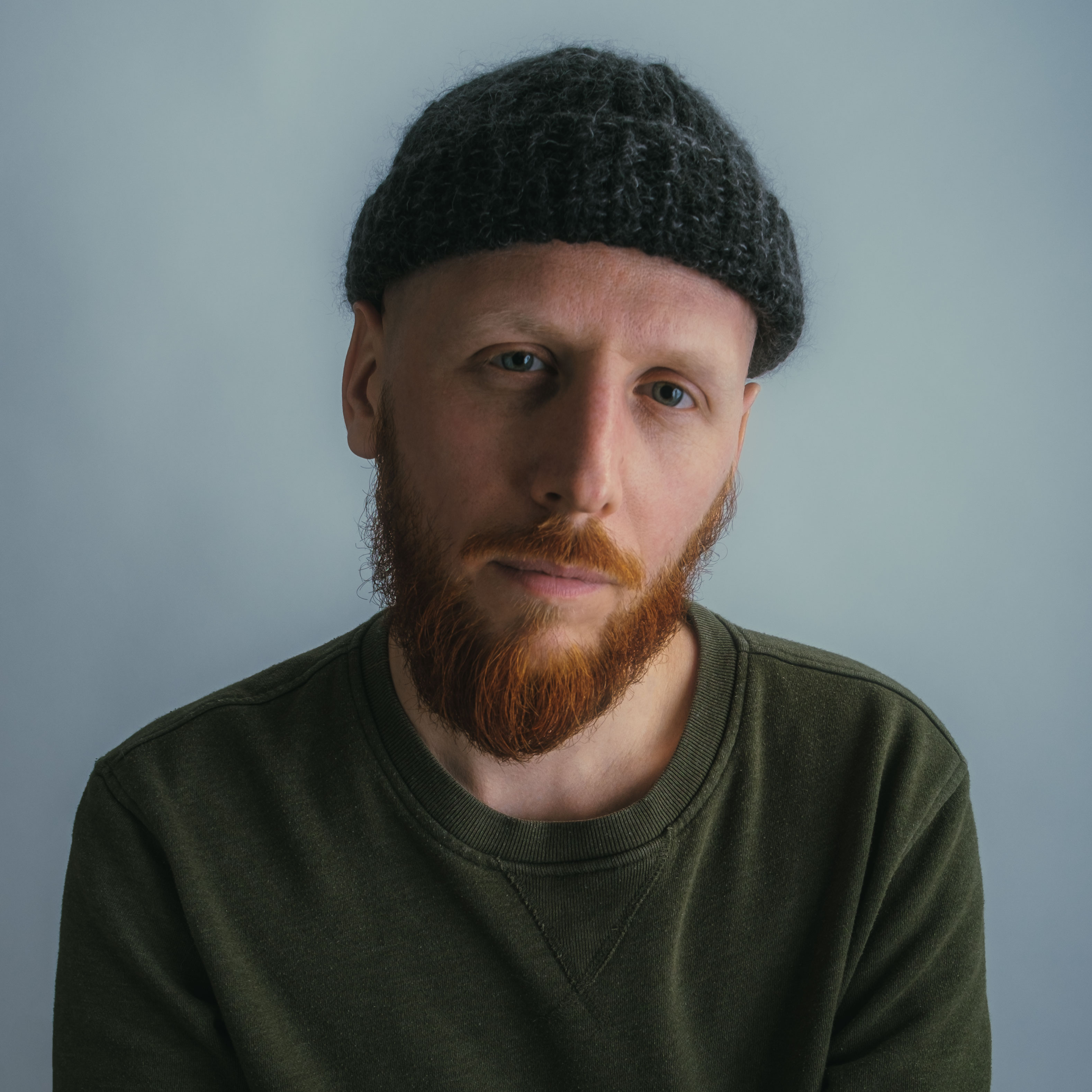
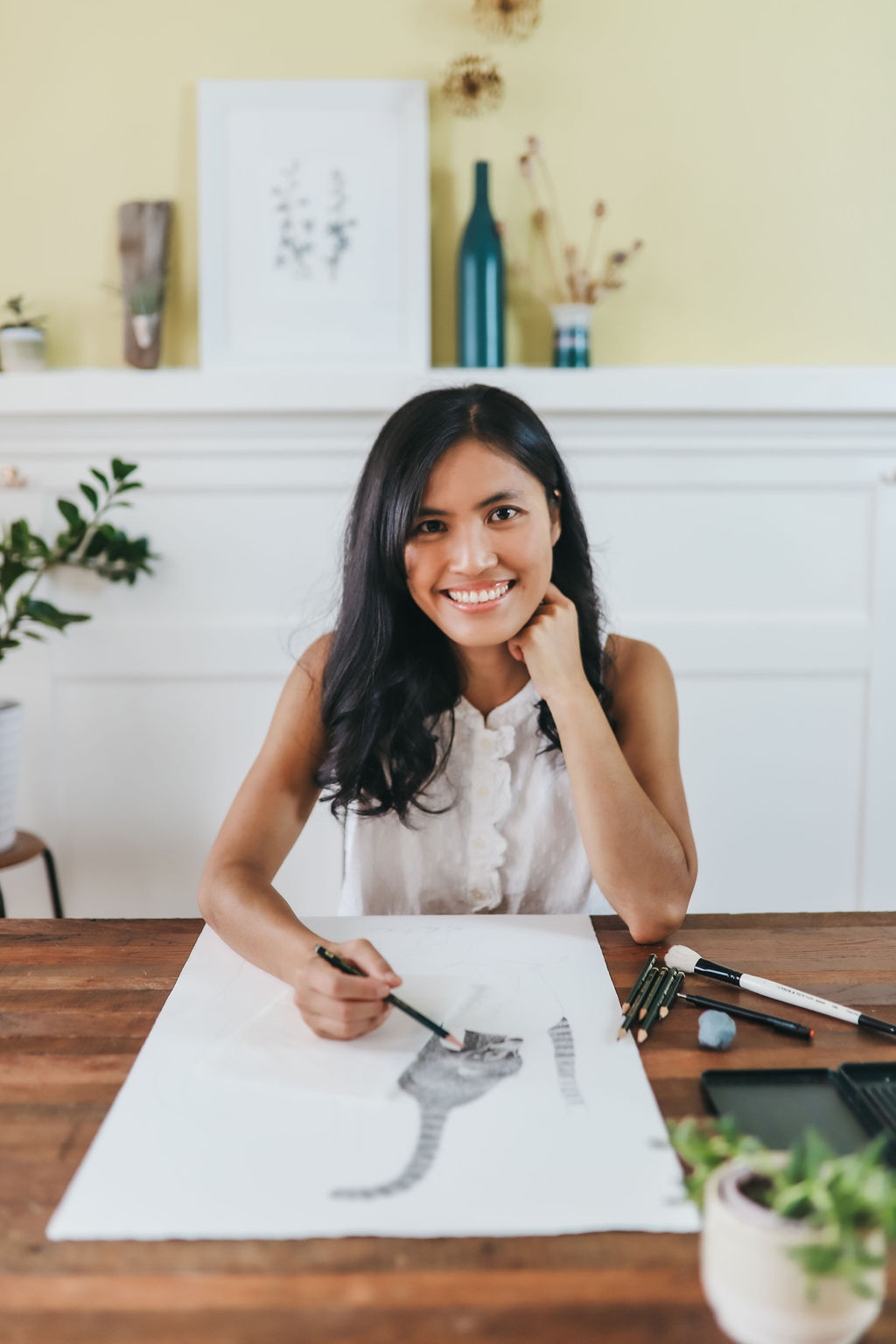

We fight for...
Creatives who keep going.
Those who’ve been burned out...
beaten up...
and told to ‘be realistic.’
But somehow....
still show up to make
something that matters.
The fight is real
But creativity, talent, and skill are rarely what holds us back.
Arrives exactly when you’ve outgrown your comfort zone, and tries to walk you back to safety by screaming you don't belong.
Tells you not to start... or finish... until it’s flawless. Because if it’s never finished, it can never be judged.
Beliefs we hold true that feel like they protect us... But in reality are stories we tell ourselves that hold us back.
Here’s the part almost everyone gets wrong. These aren’t villains. They’re guardians. They are genuinely trying to keep you from getting hurt. Accepting this is the fastest, easiest way to move forward... anyway.
How we fight
We start with your ideal day.
Not your revenue goal.
Our philosophy is that the business you build should support the life you want to live... not the other way around. We start by asking what you want your working hours to look like. Whether you’d rather be a maker or a manager. What impact you want this business to have on your life... and the world.
Then we measure the five pillars of a successful studio: Philosophy, Product, Process, Pursuit, and People. Most creatives are strong at one and quietly avoiding the other four. Everything after that is repairing them in the right order, with checkpoints where a real person reads what you actually built.
Our Values
Excellence in Craft
Community
Abundance
Create, Don’t Criticize
Trust Through Transparency
Specialize & Diversify
By creatives
for creatives
%201.png)
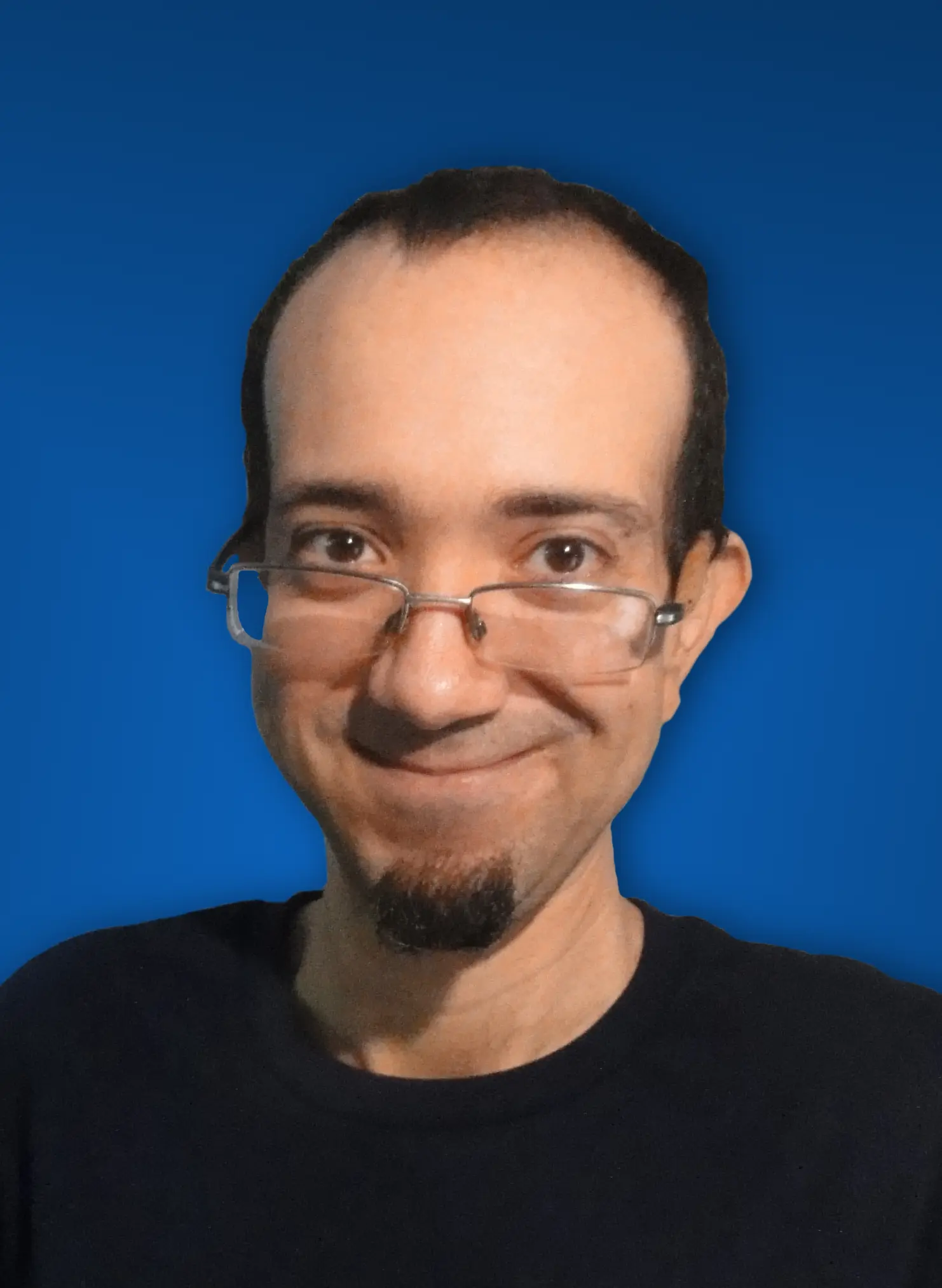
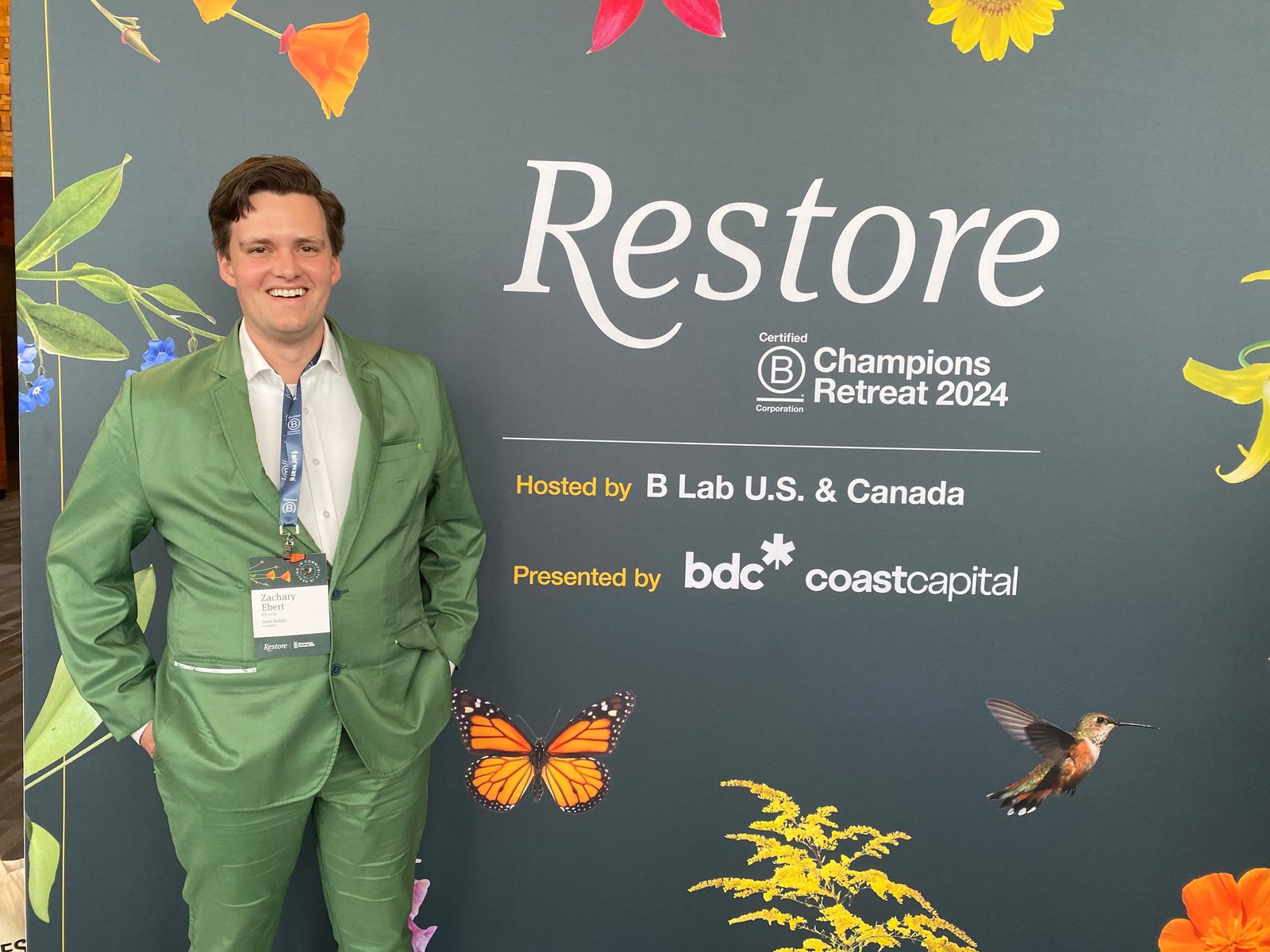
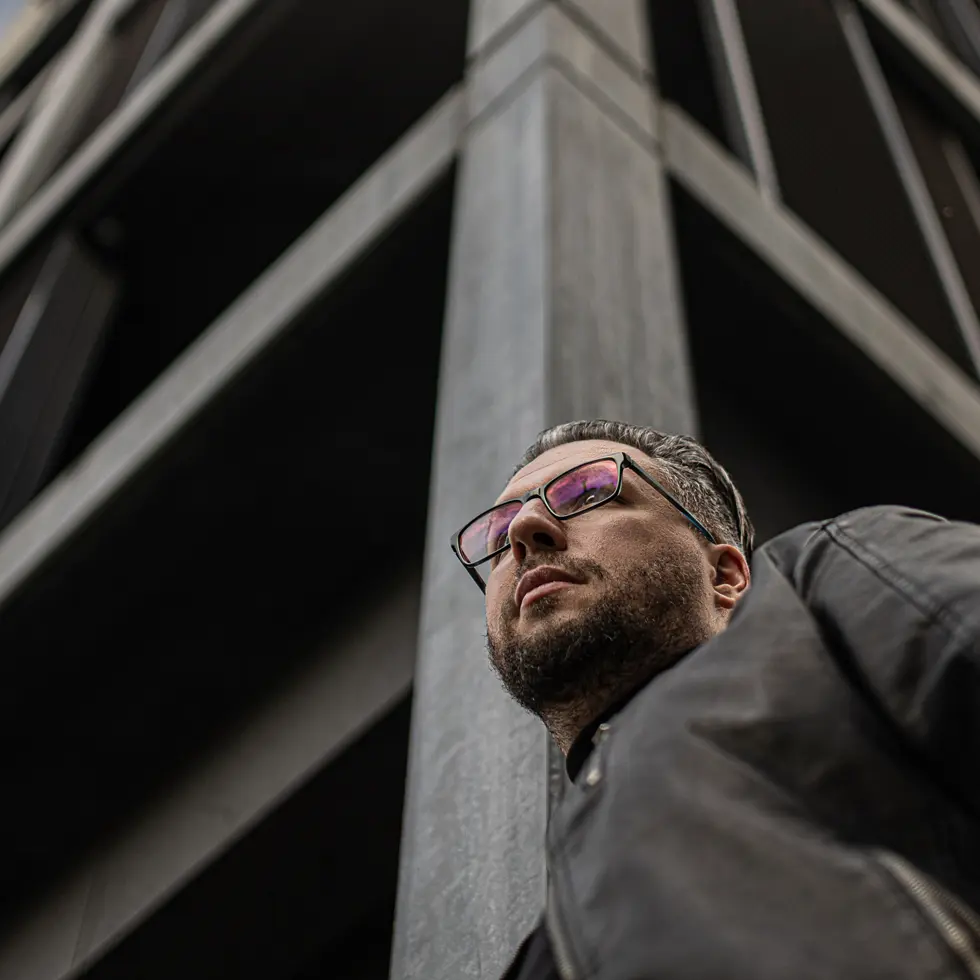
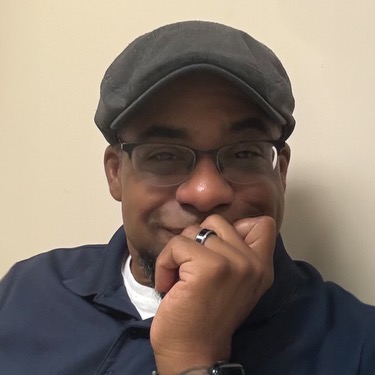
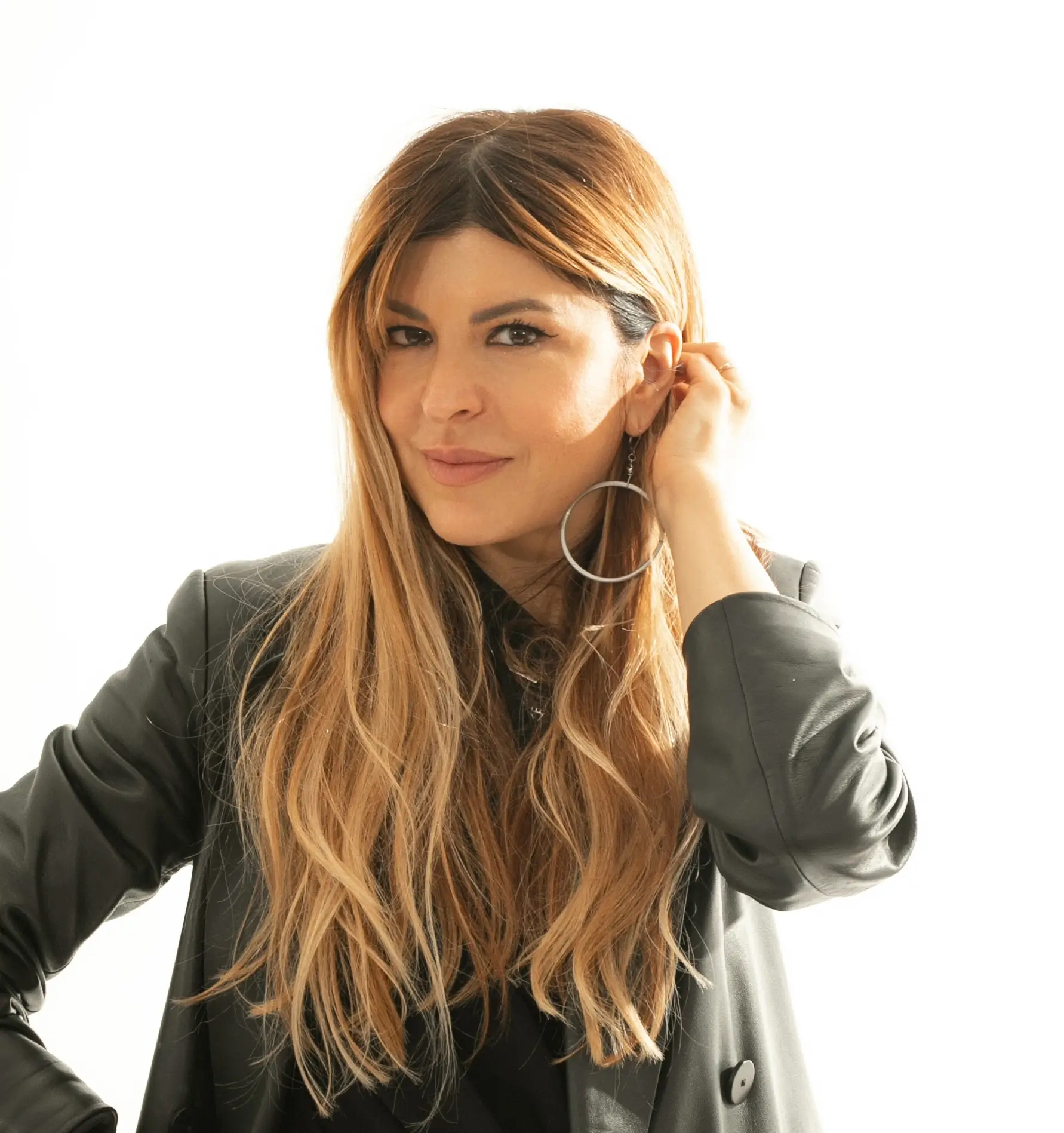
Meet our team
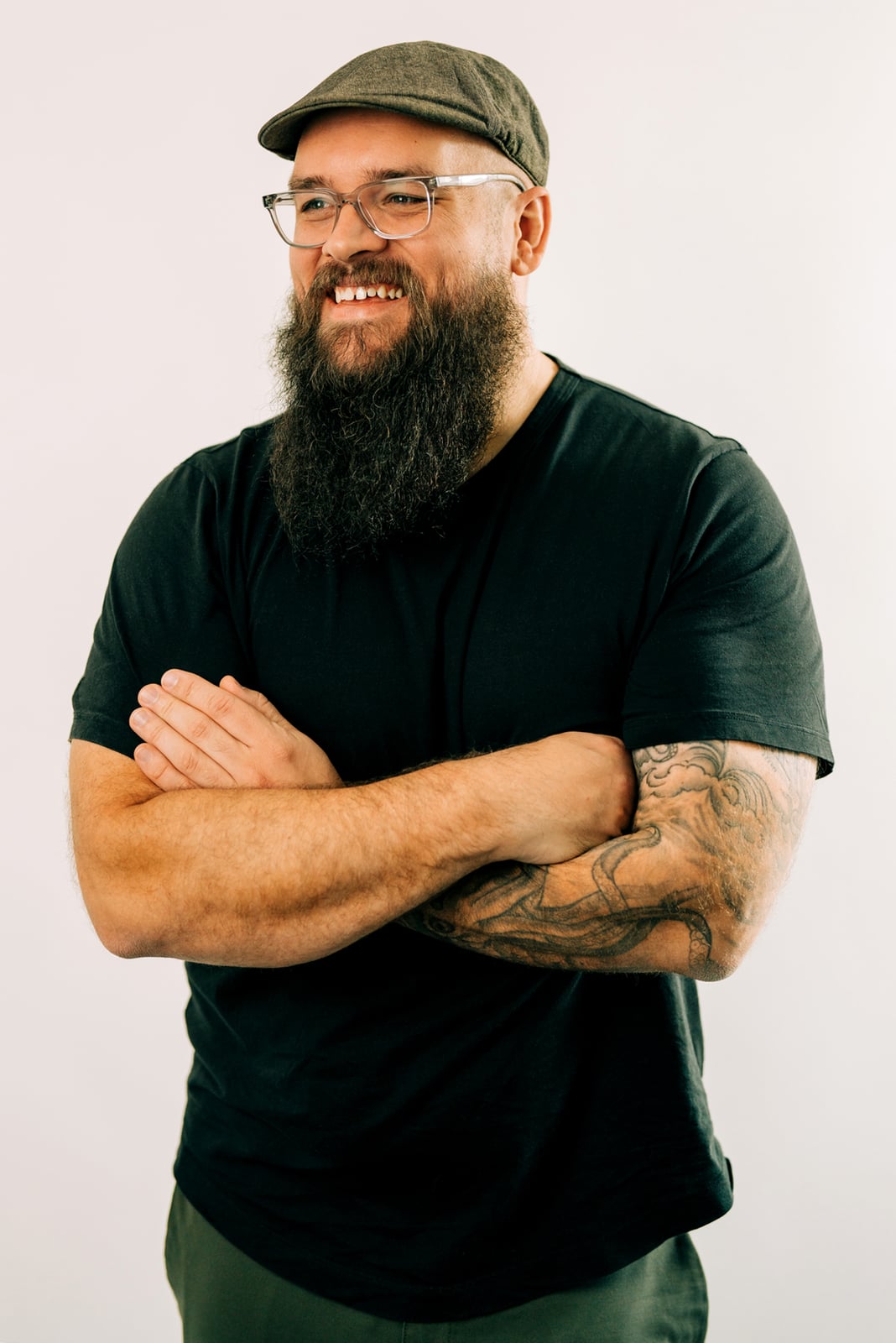
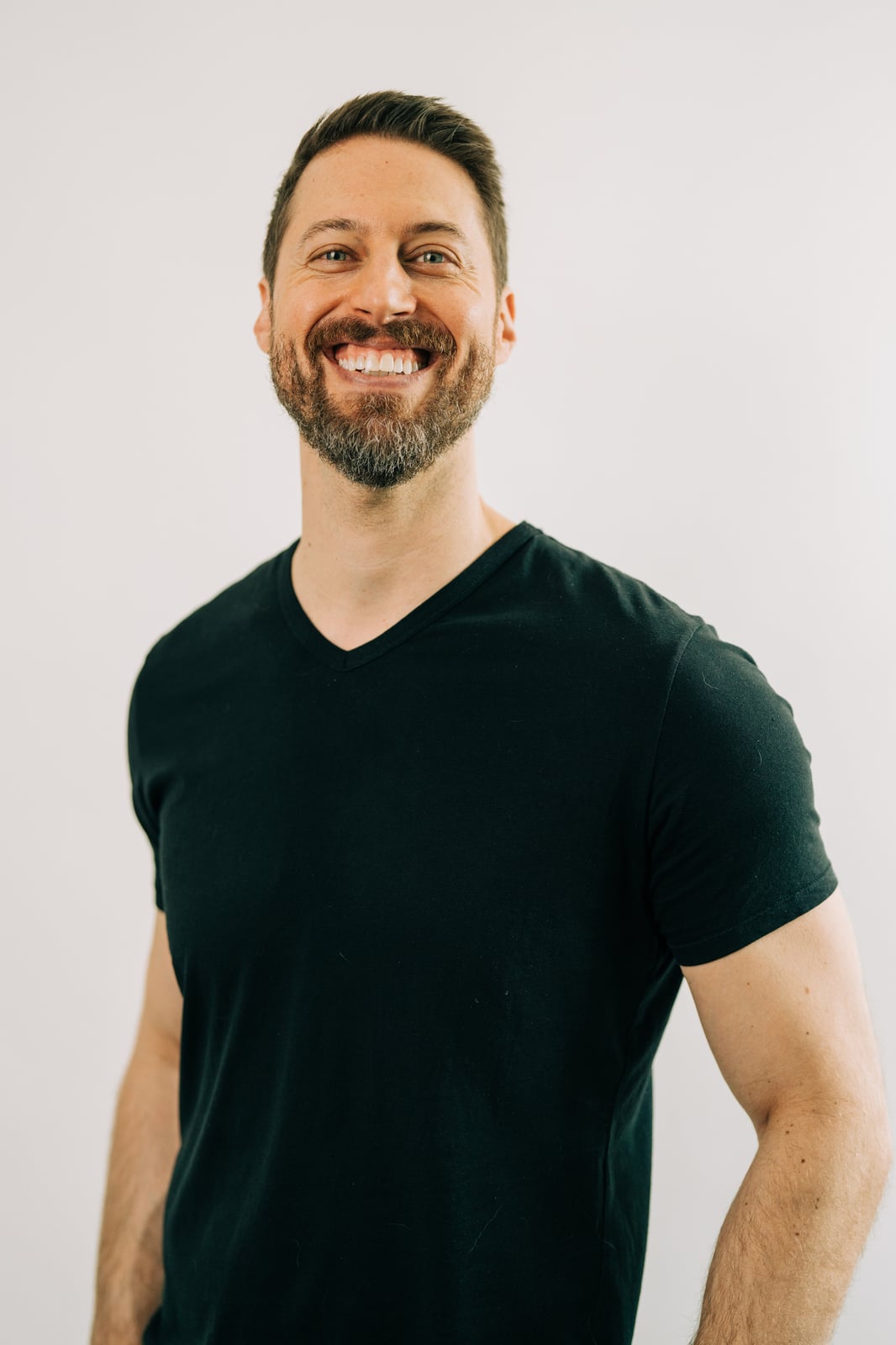
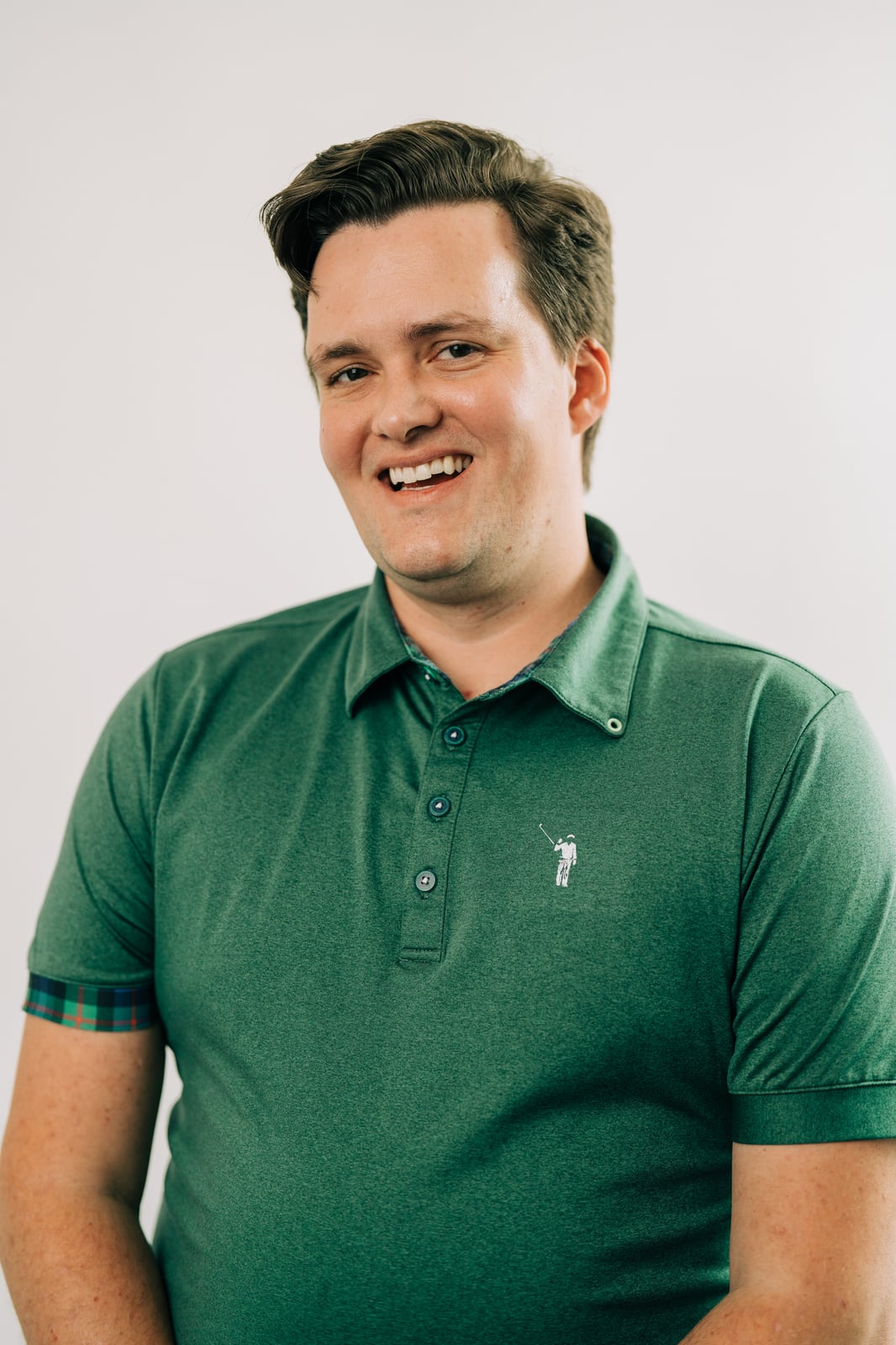
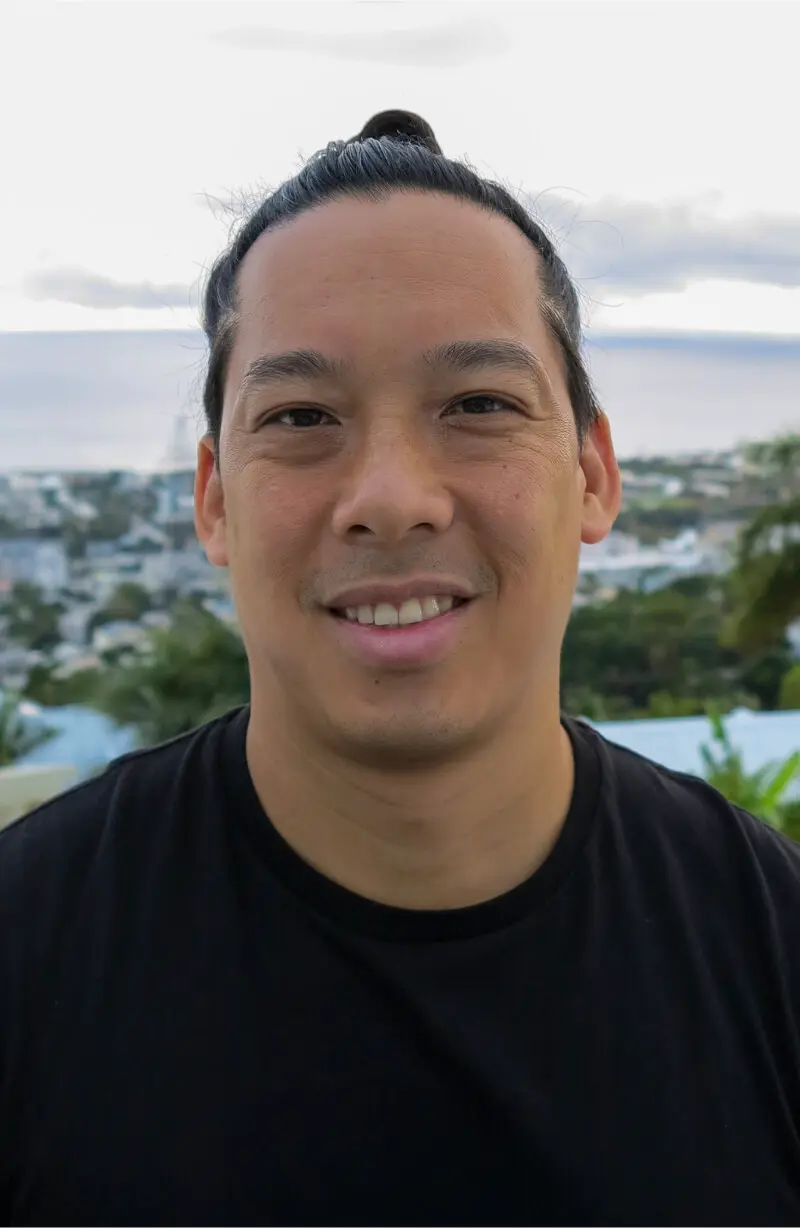
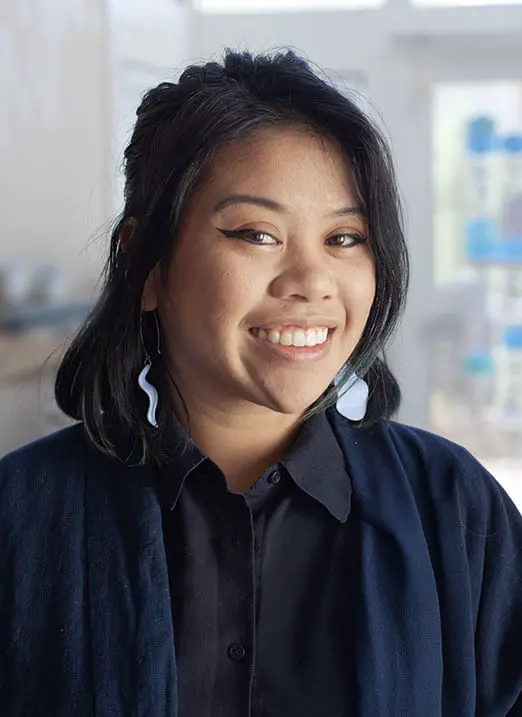
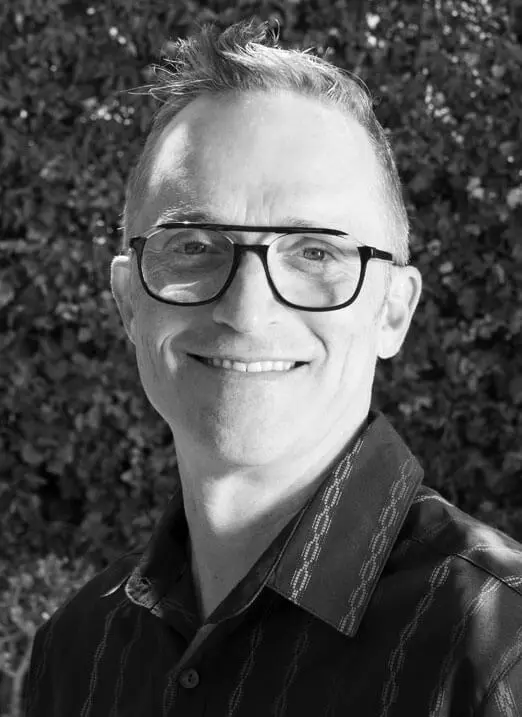
Our story
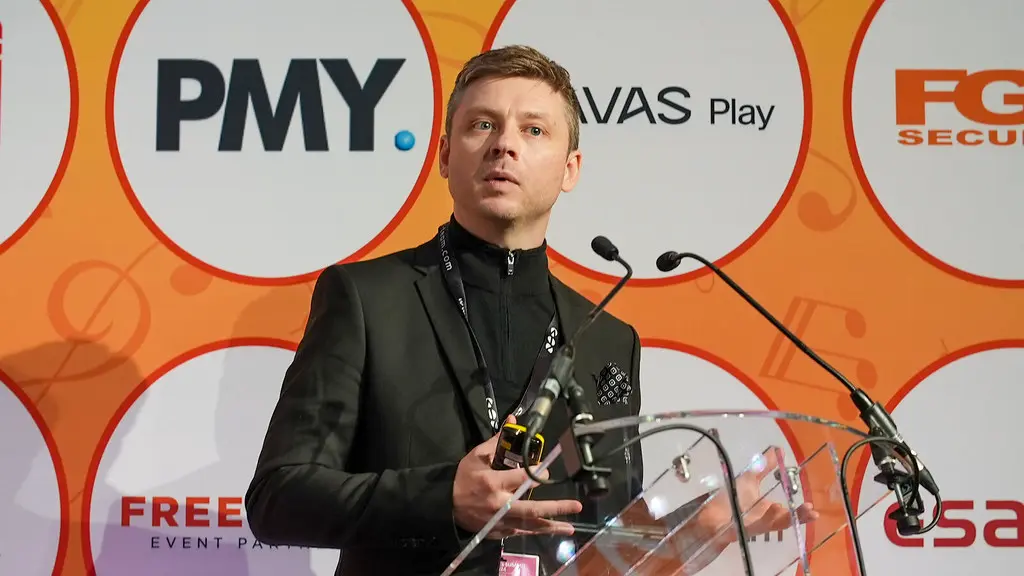
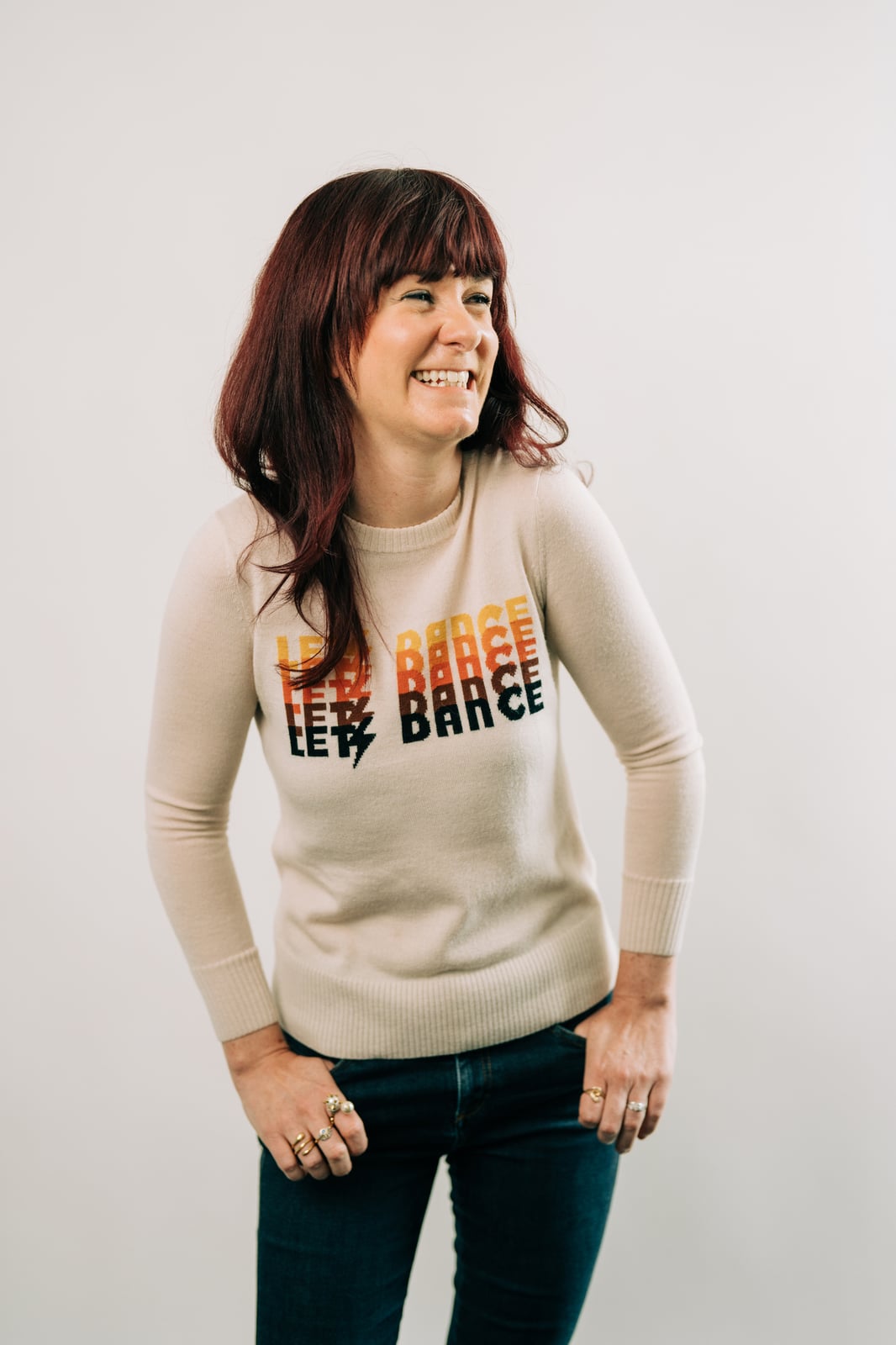
The truth? Neither of us planned on starting anything like Maker Division.
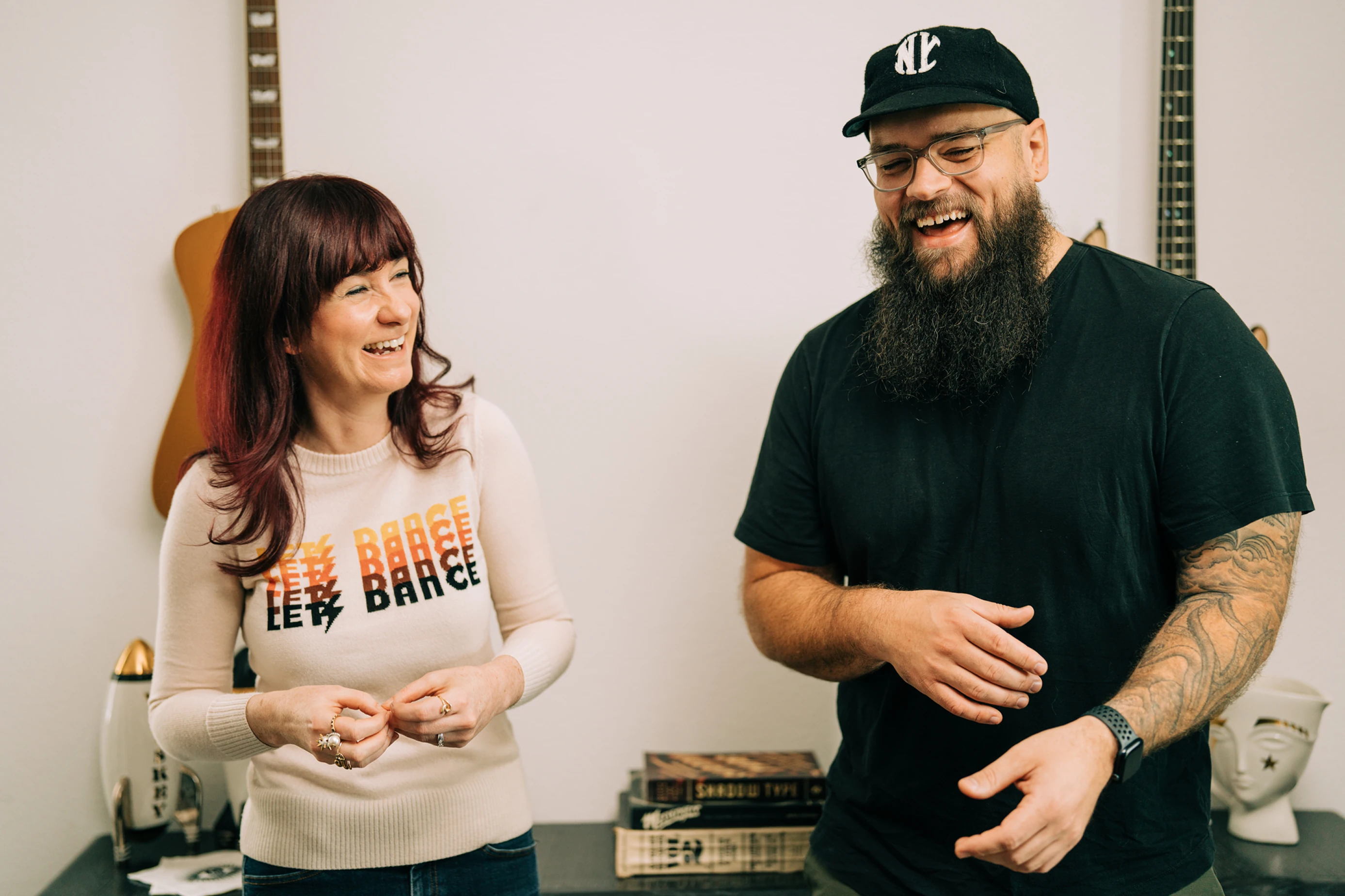
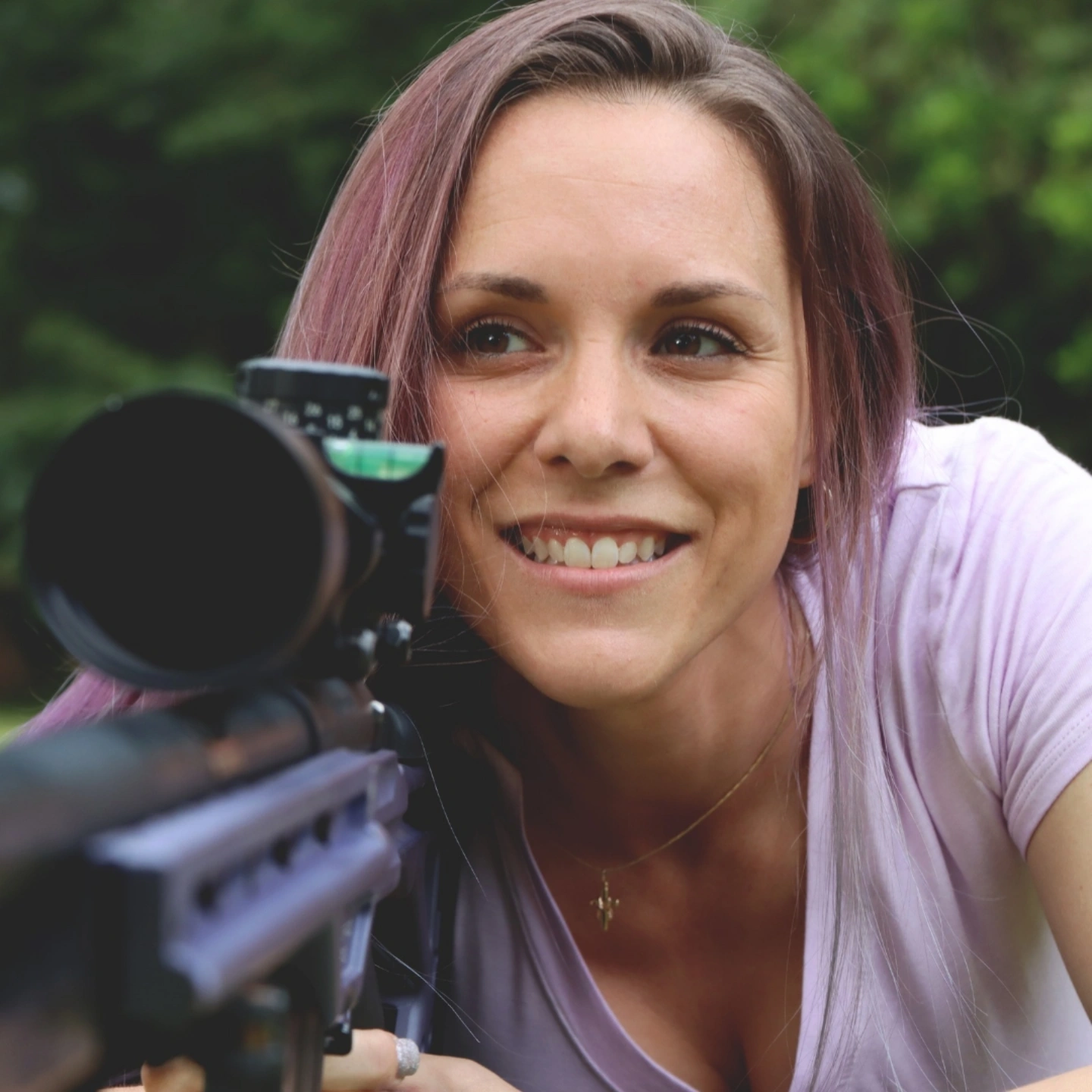
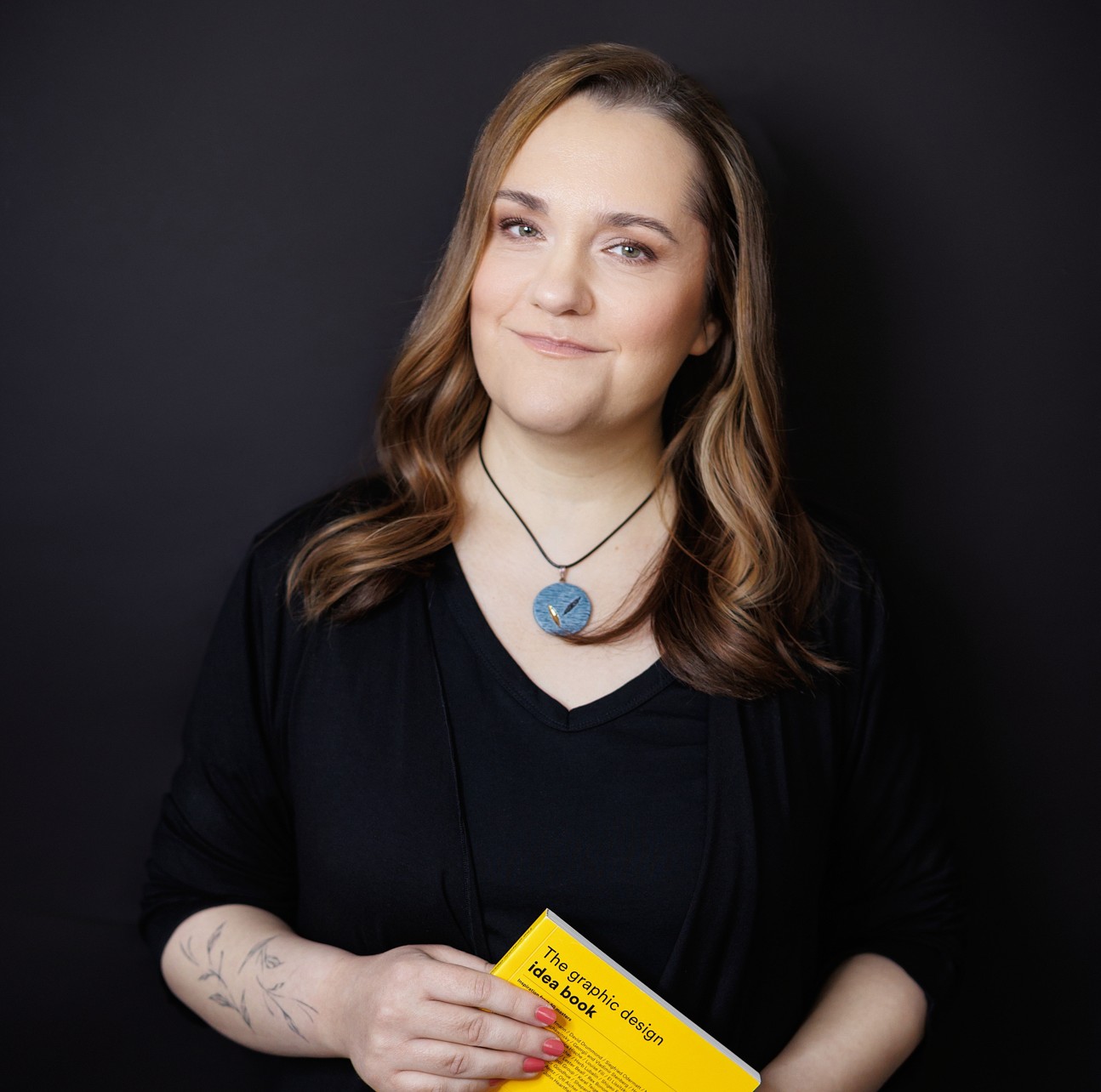
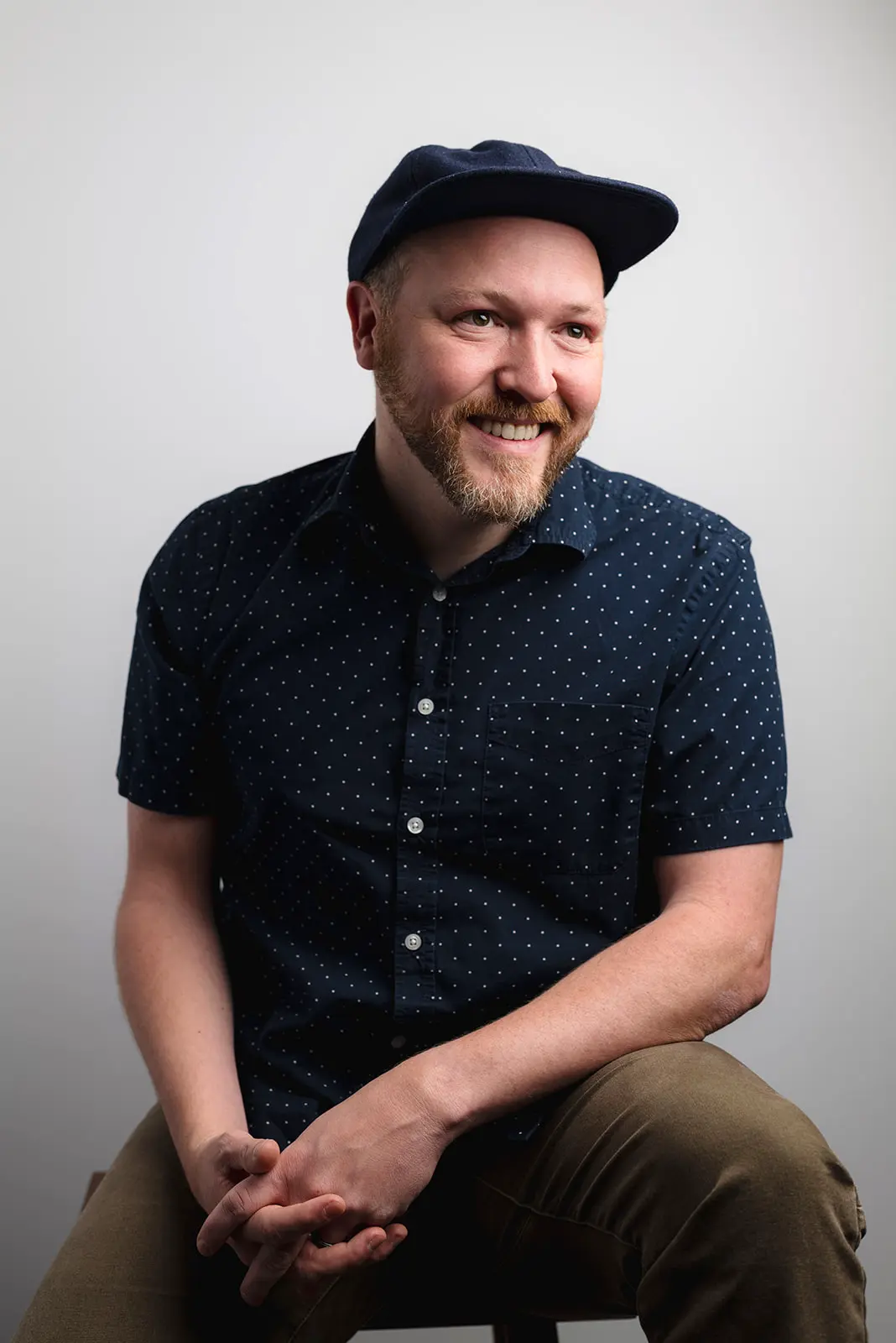
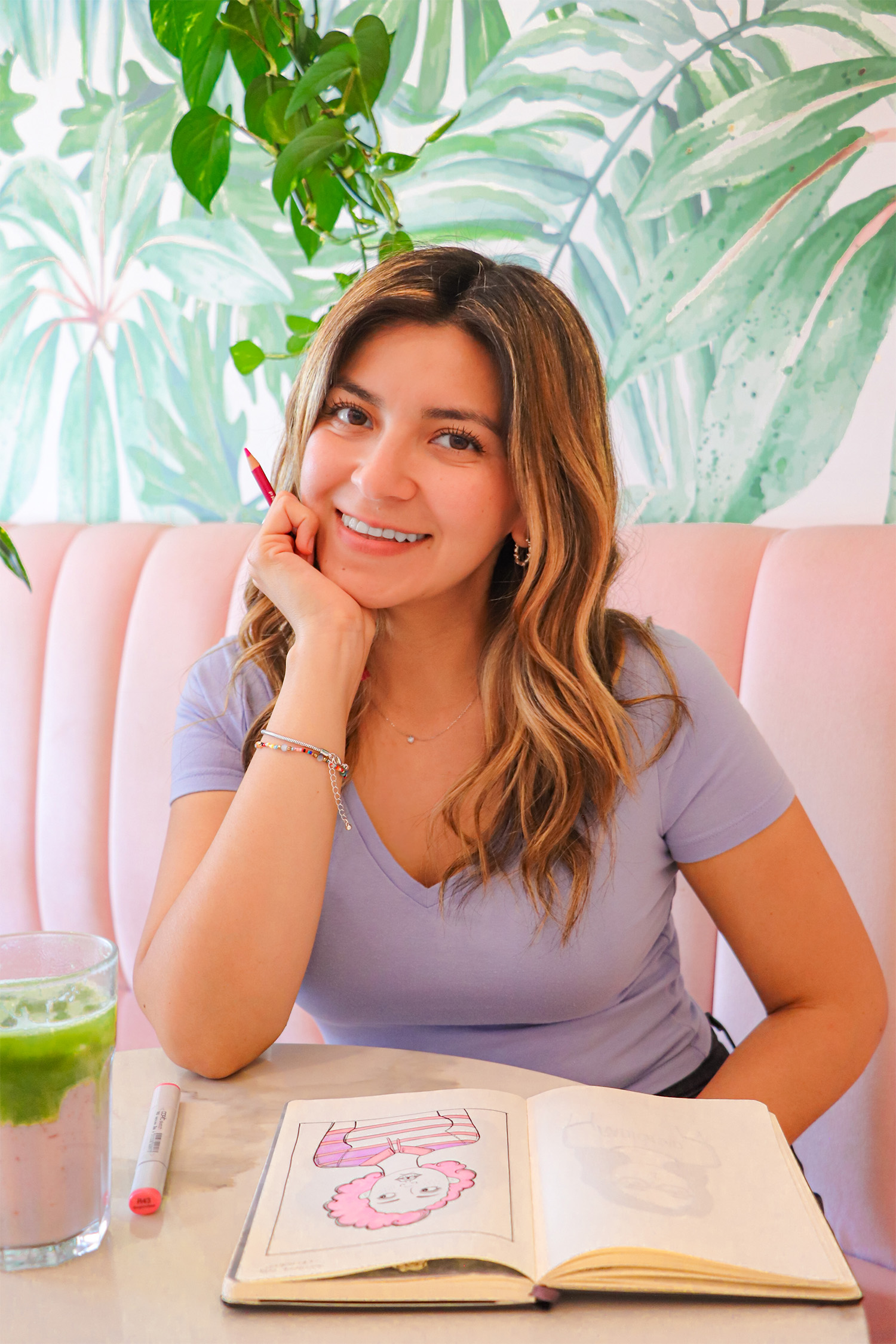
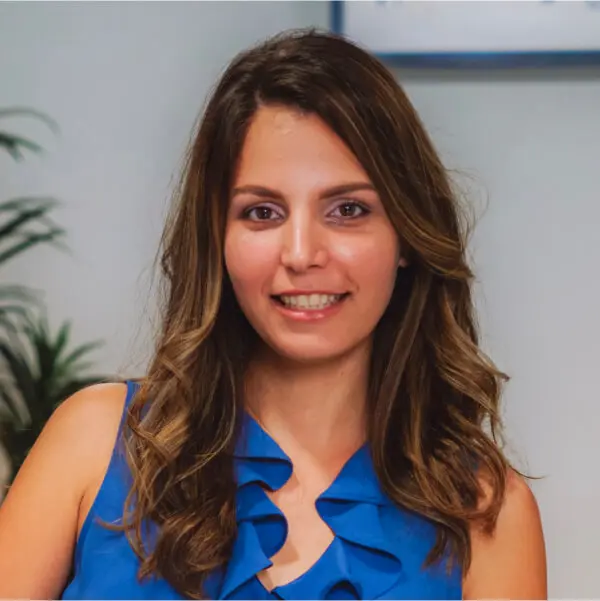
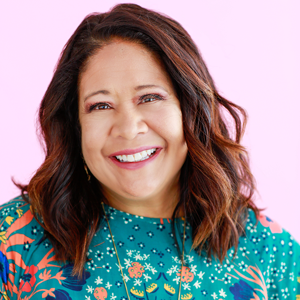
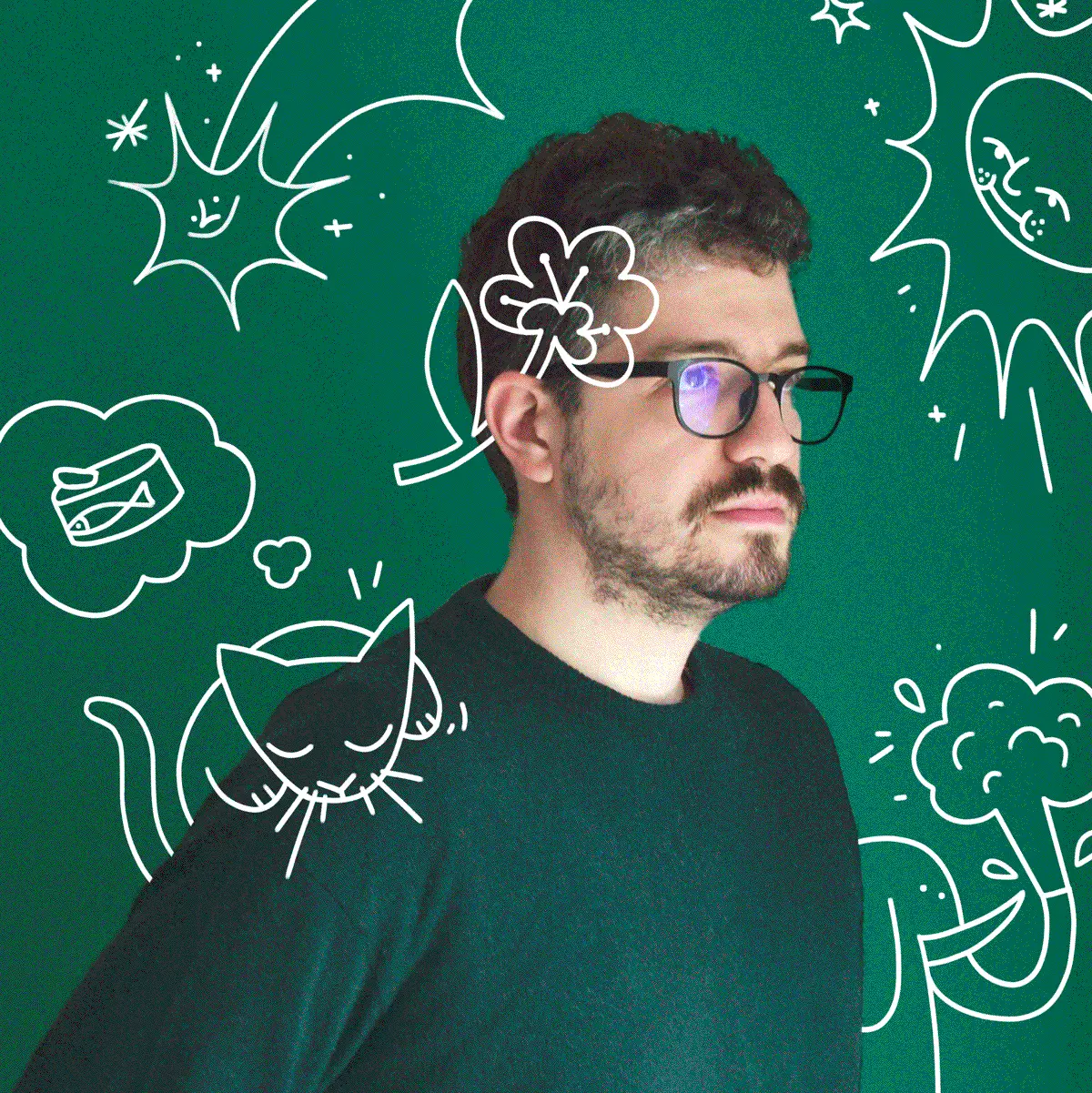
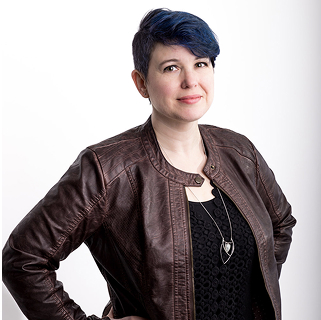
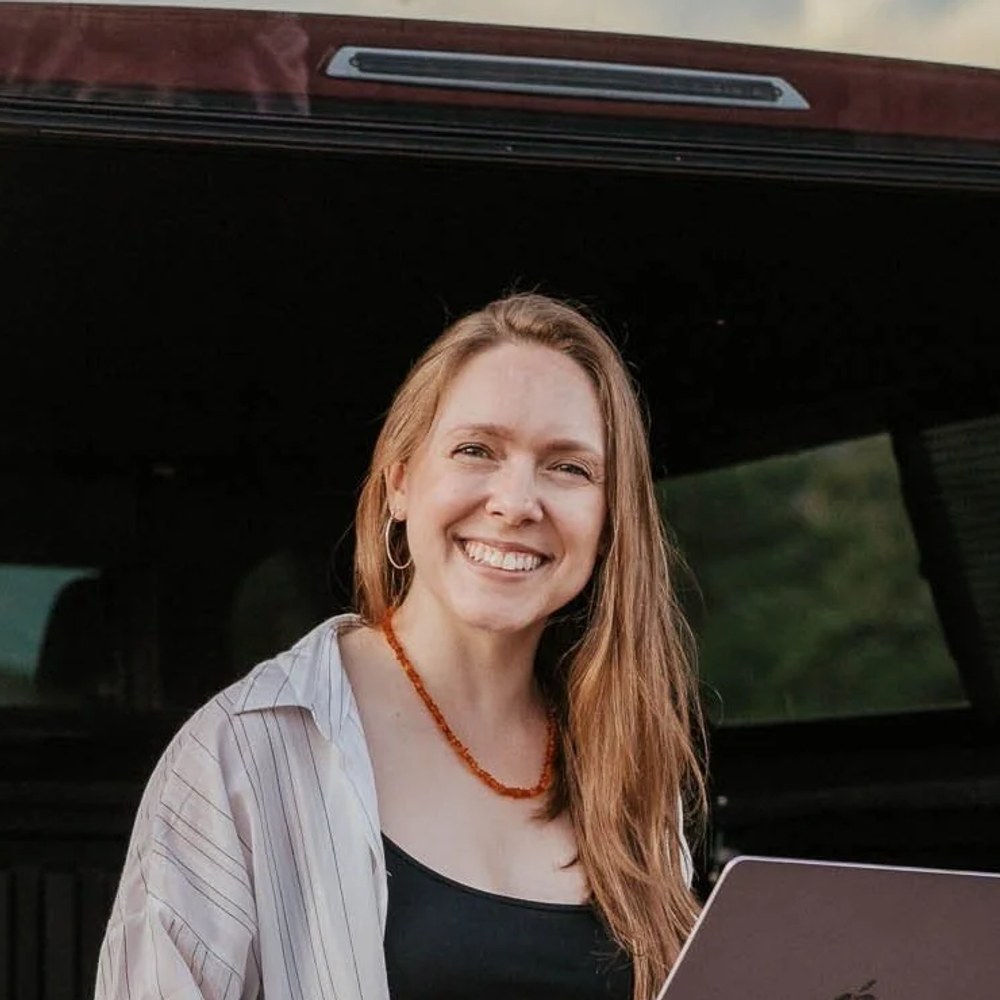
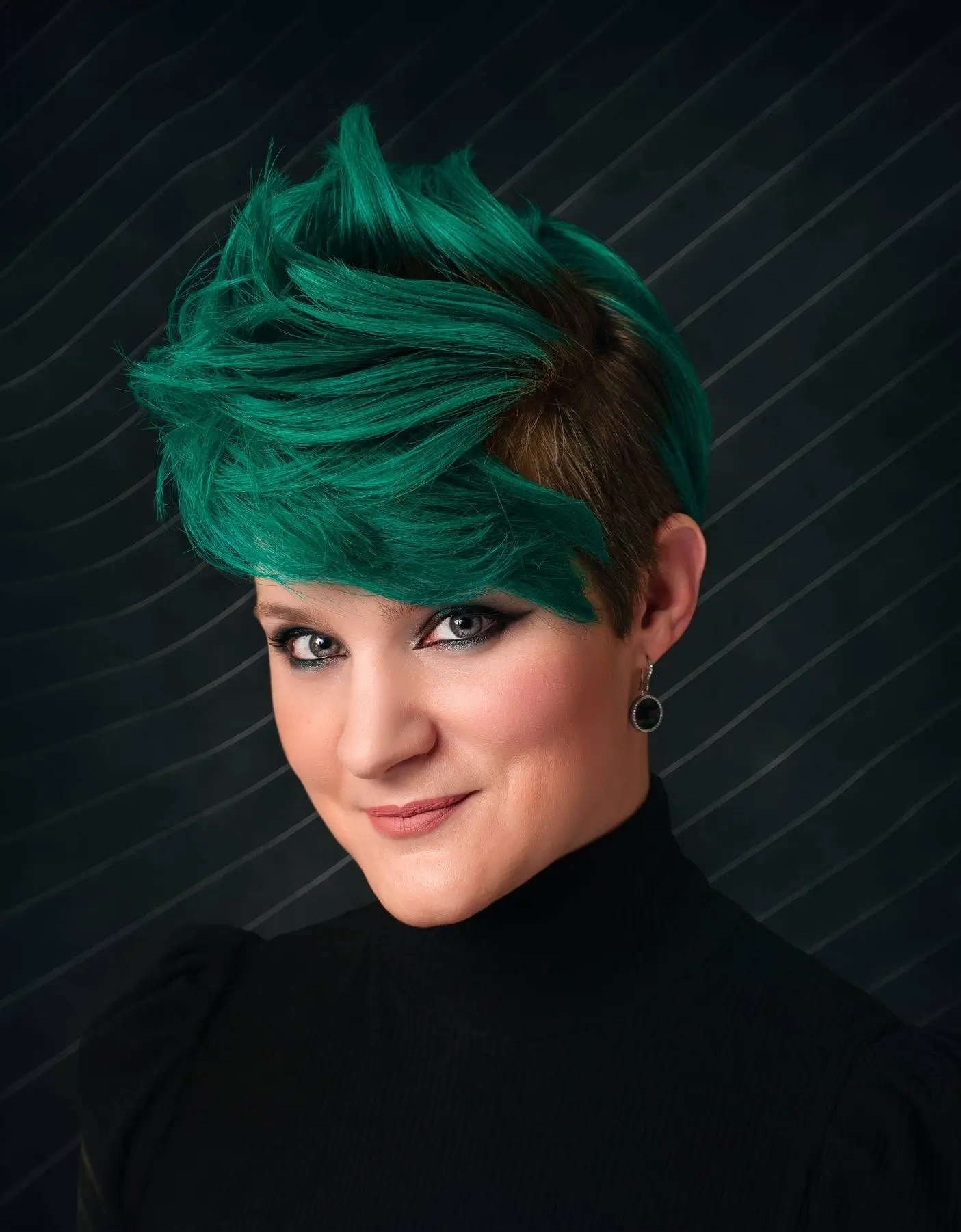
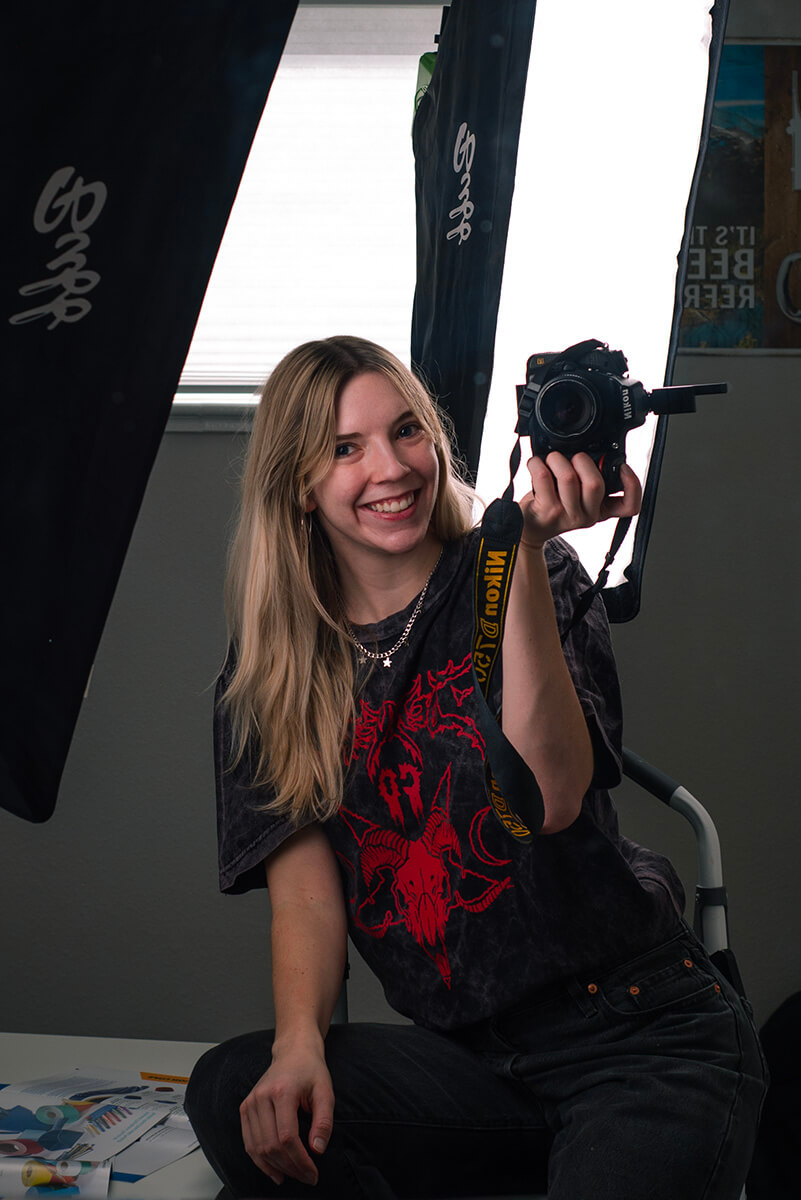
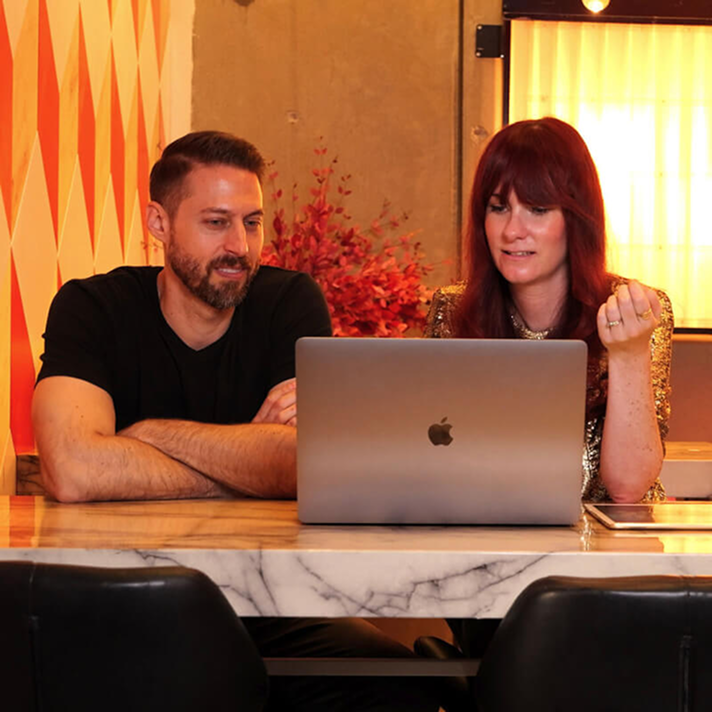
Stephanie began her creative journey at art school for photography, then took a twenty-year detour teaching high school earning the Agatha Christie Master Teacher Award along the way.
On the side, she built and exited a virtual interior design business, then she and her husband Nathan started Gold Sheep Design, a lettering and illustration studio that’s worked with licensees for Star Wars, Marvel, and DC. Now she's making Metalliquor, a project that turns iconic songs into handcrafted cocktails and custom lettering. Steph has an uncanny ability to look at a creative and see exactly who they are, and what their brand should lean into.
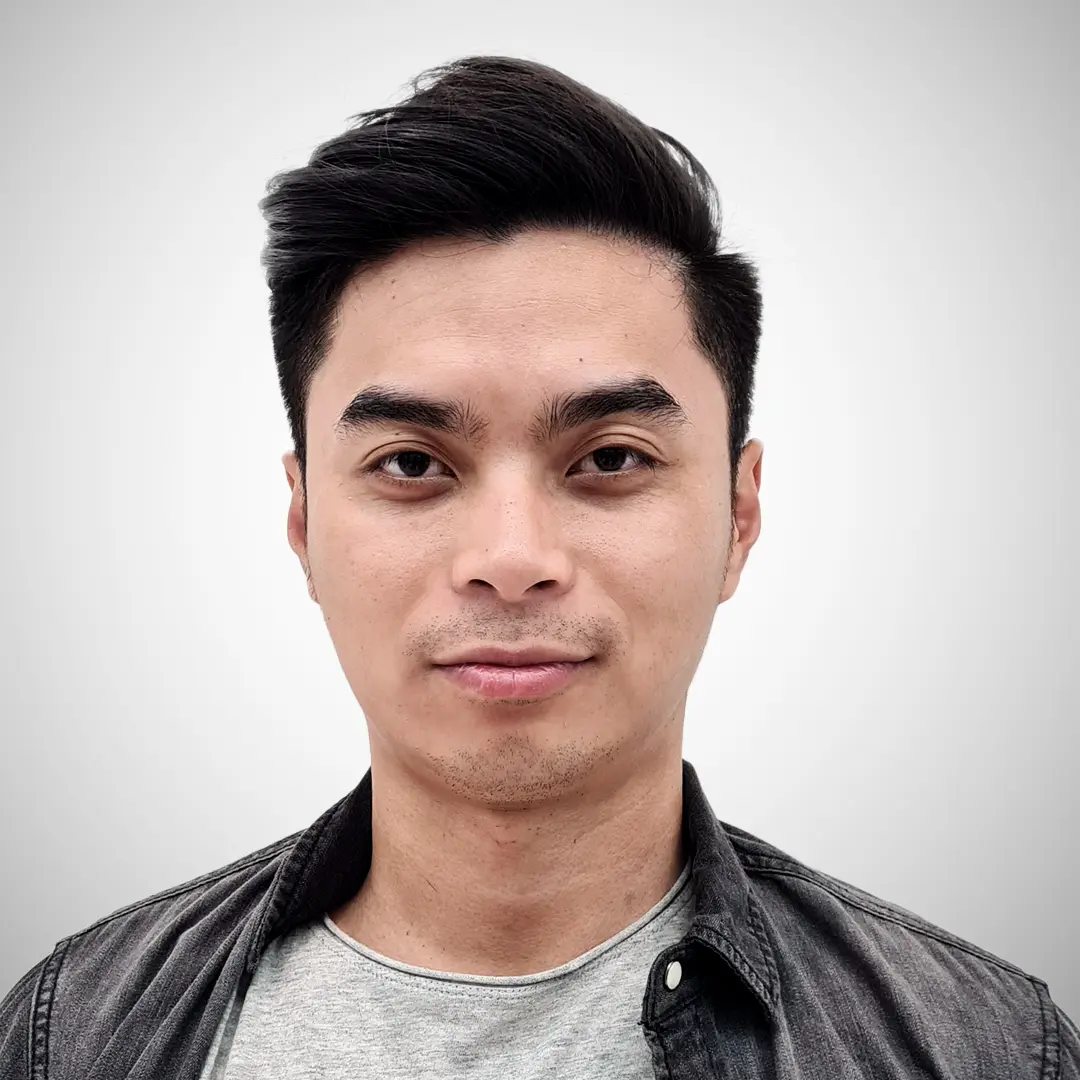
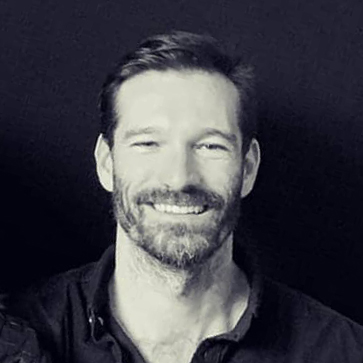
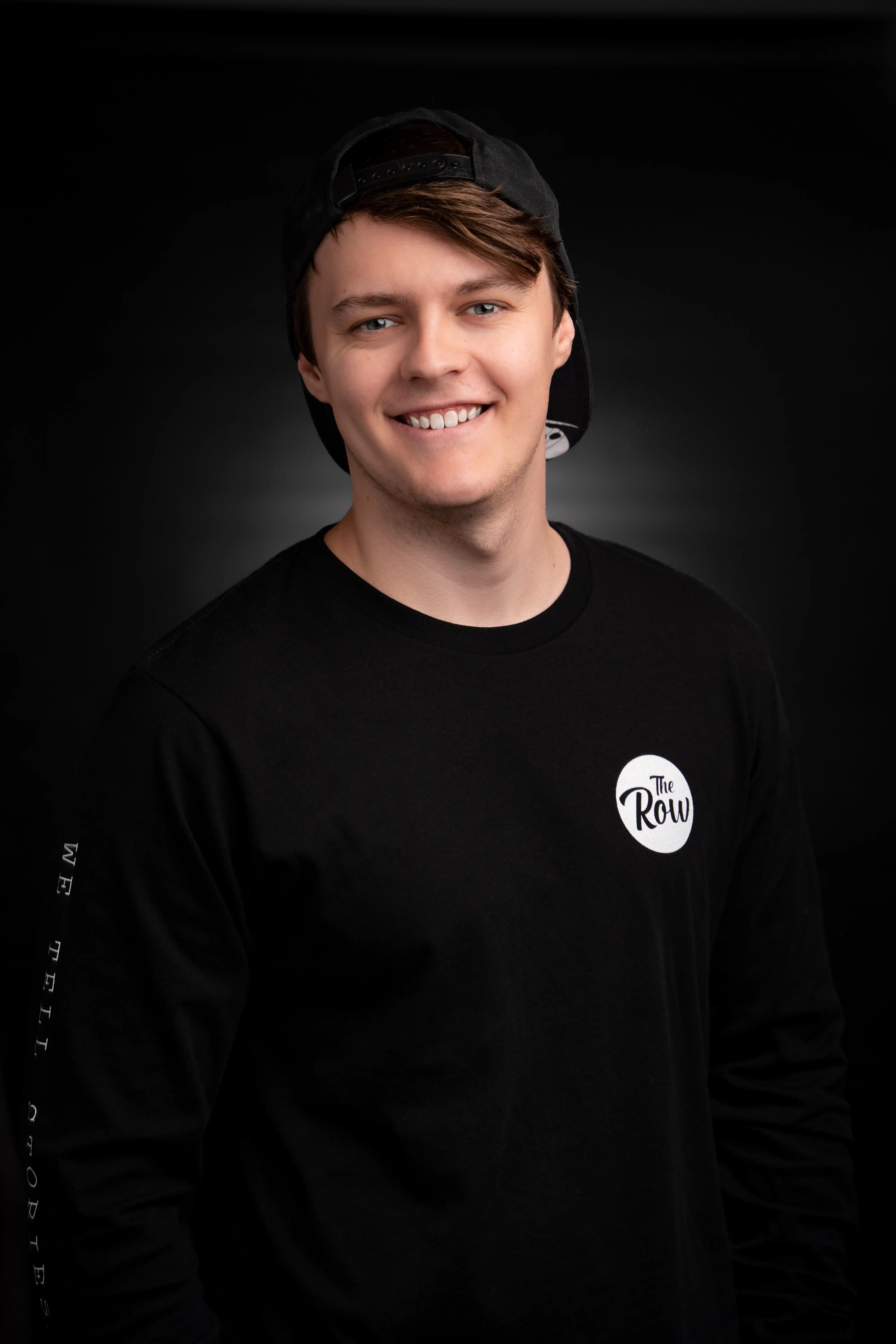
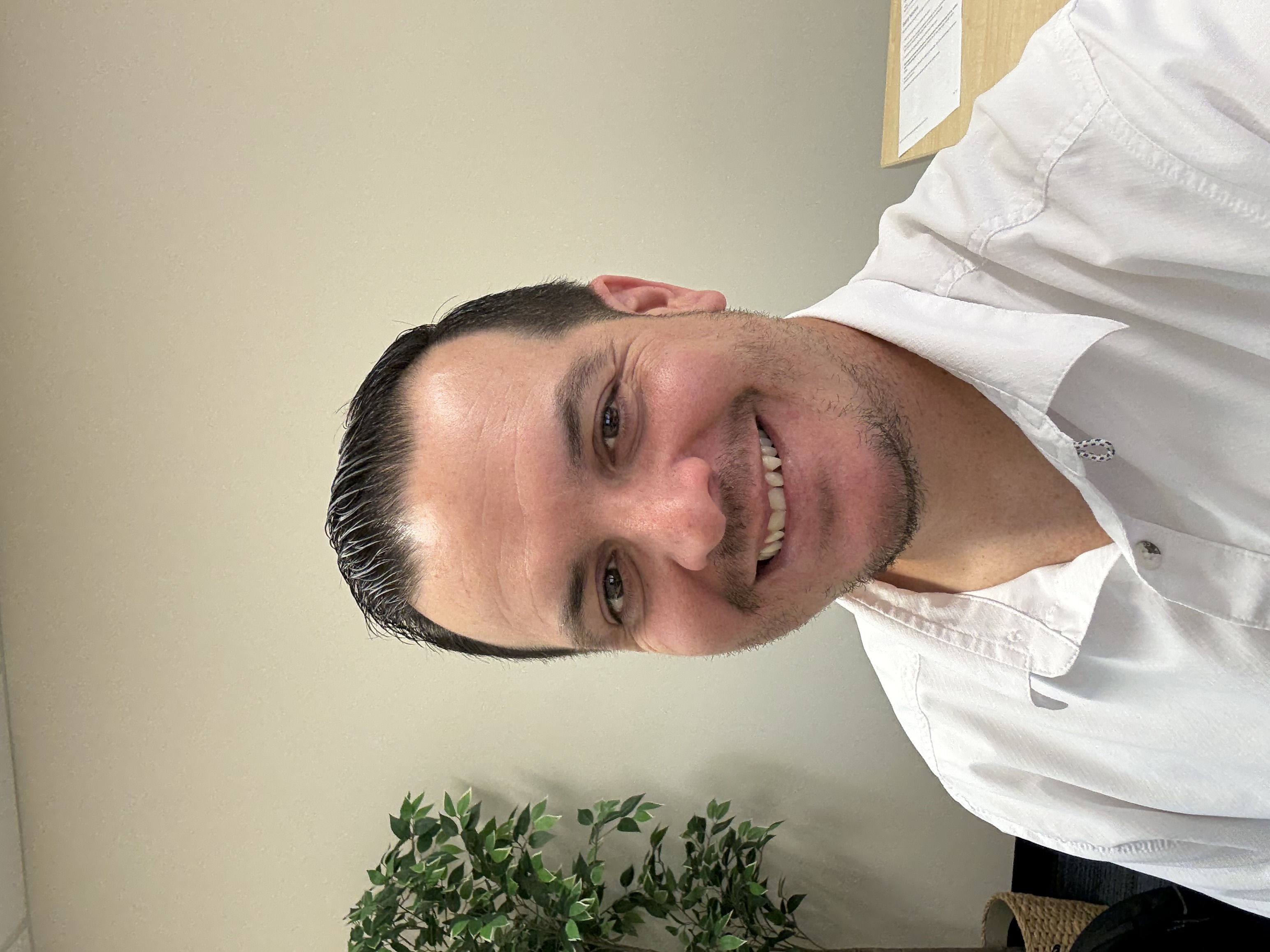
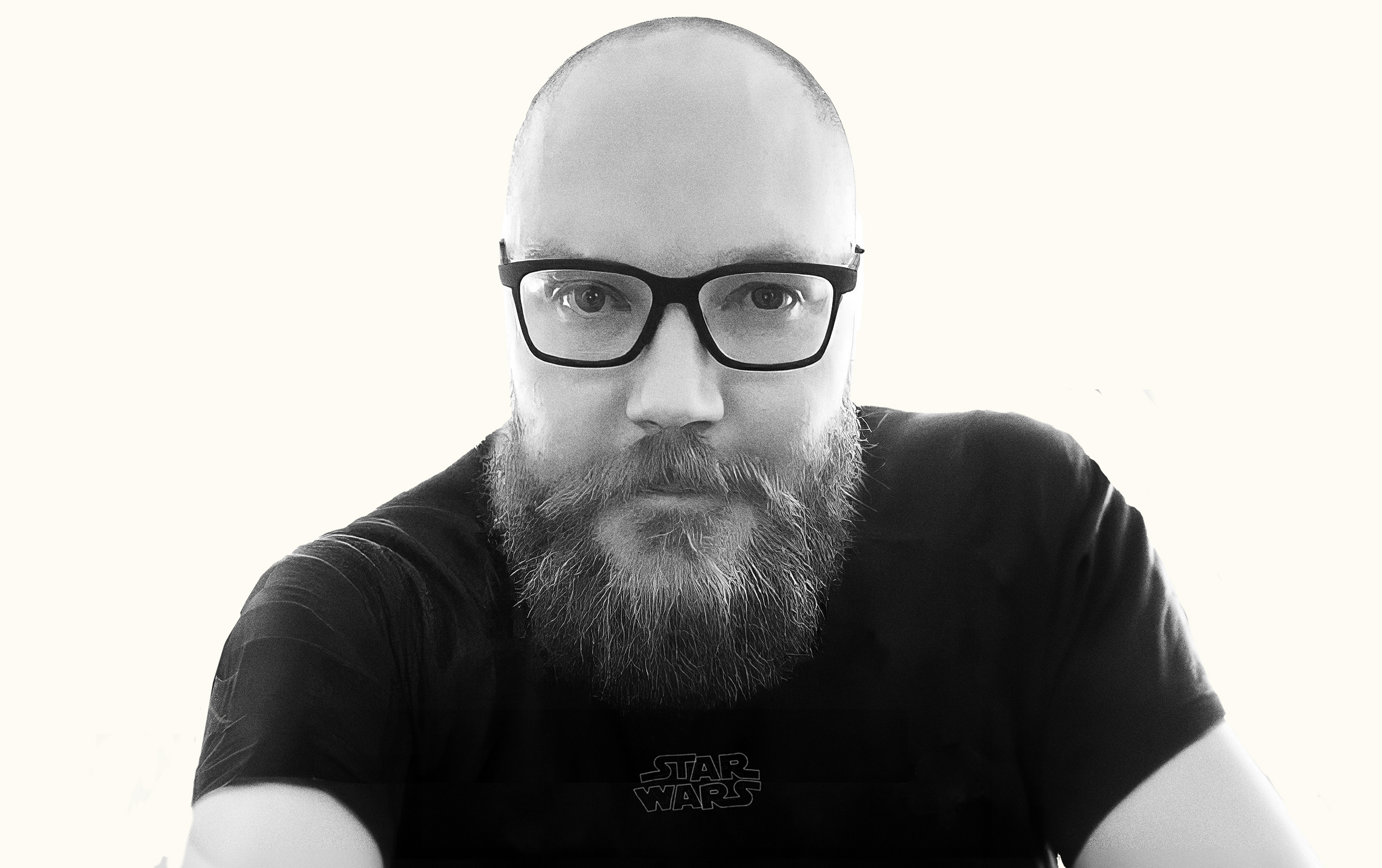
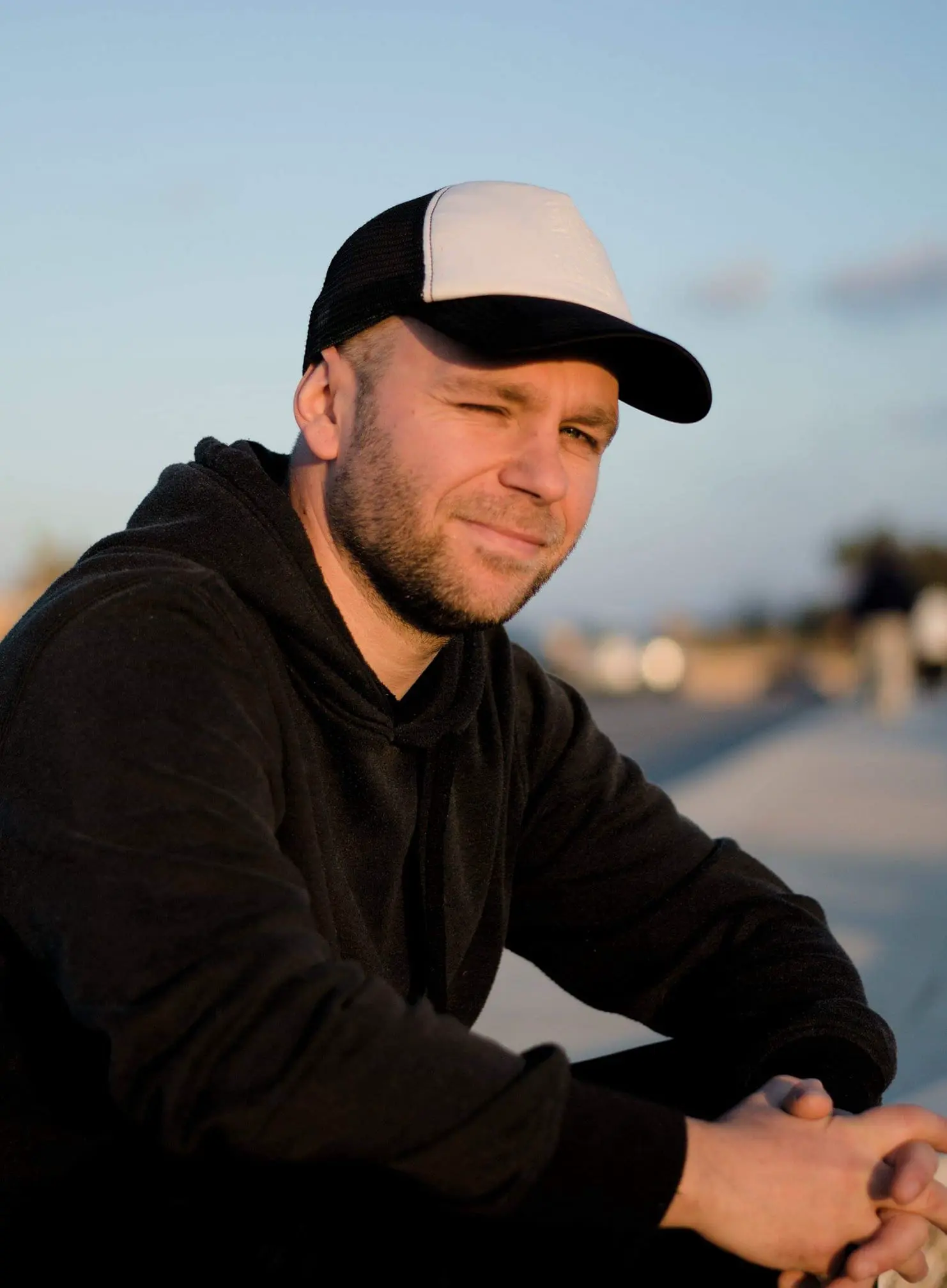
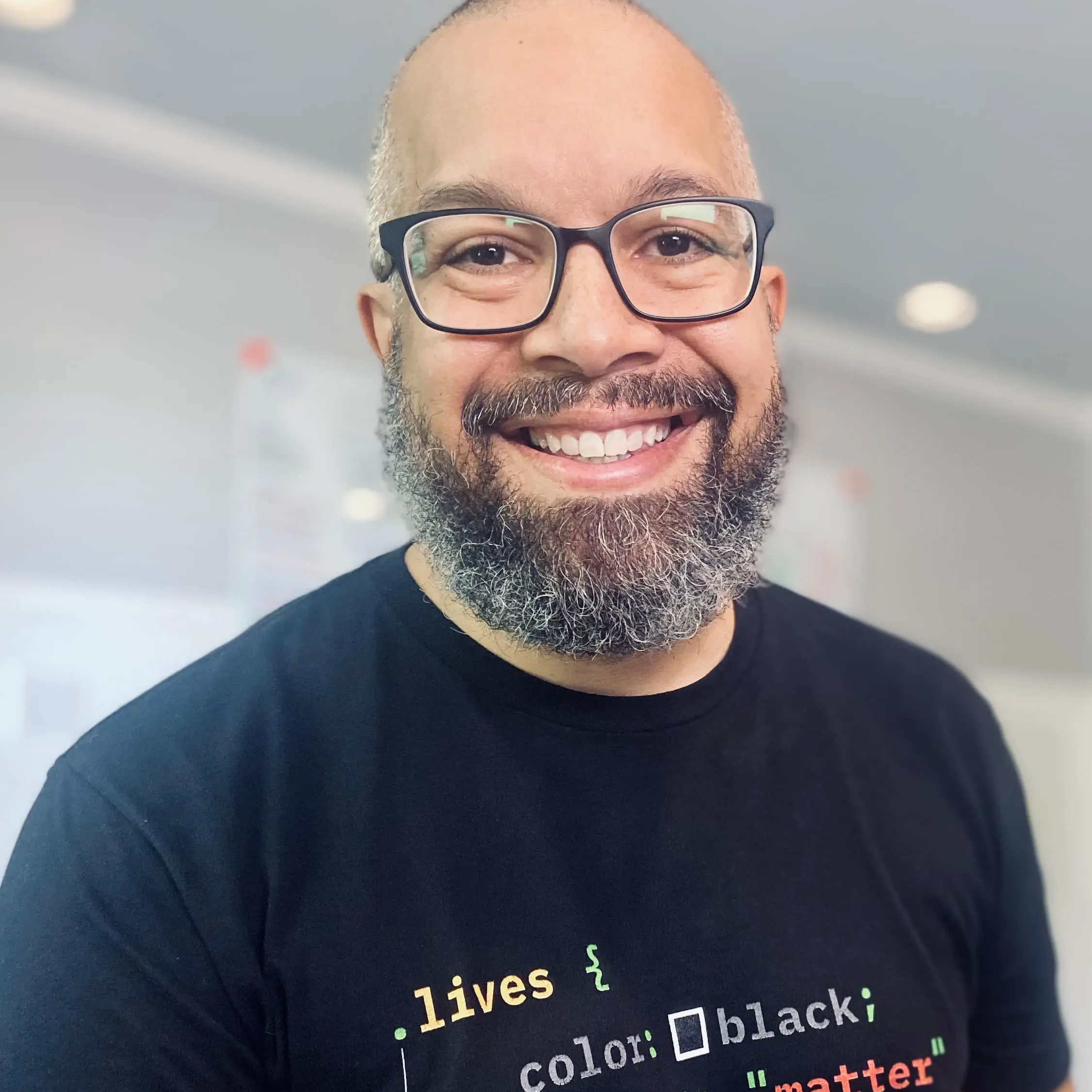
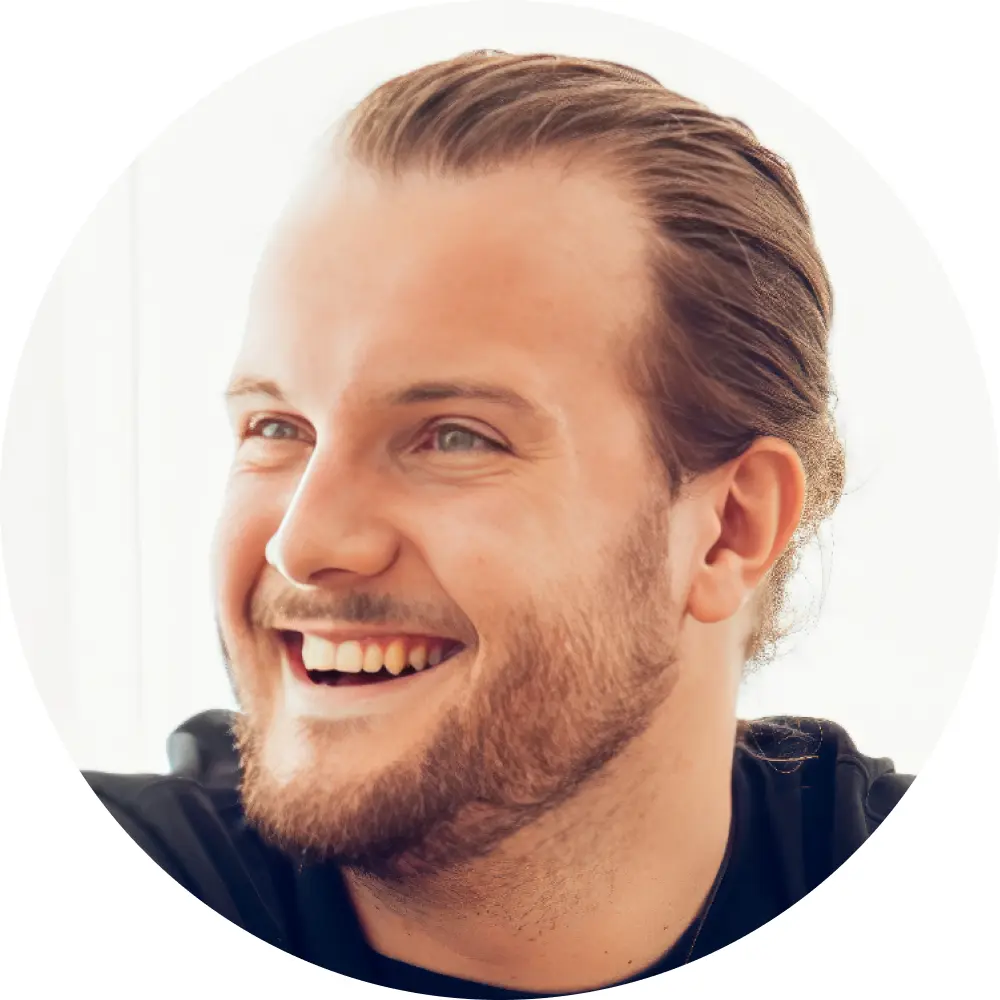
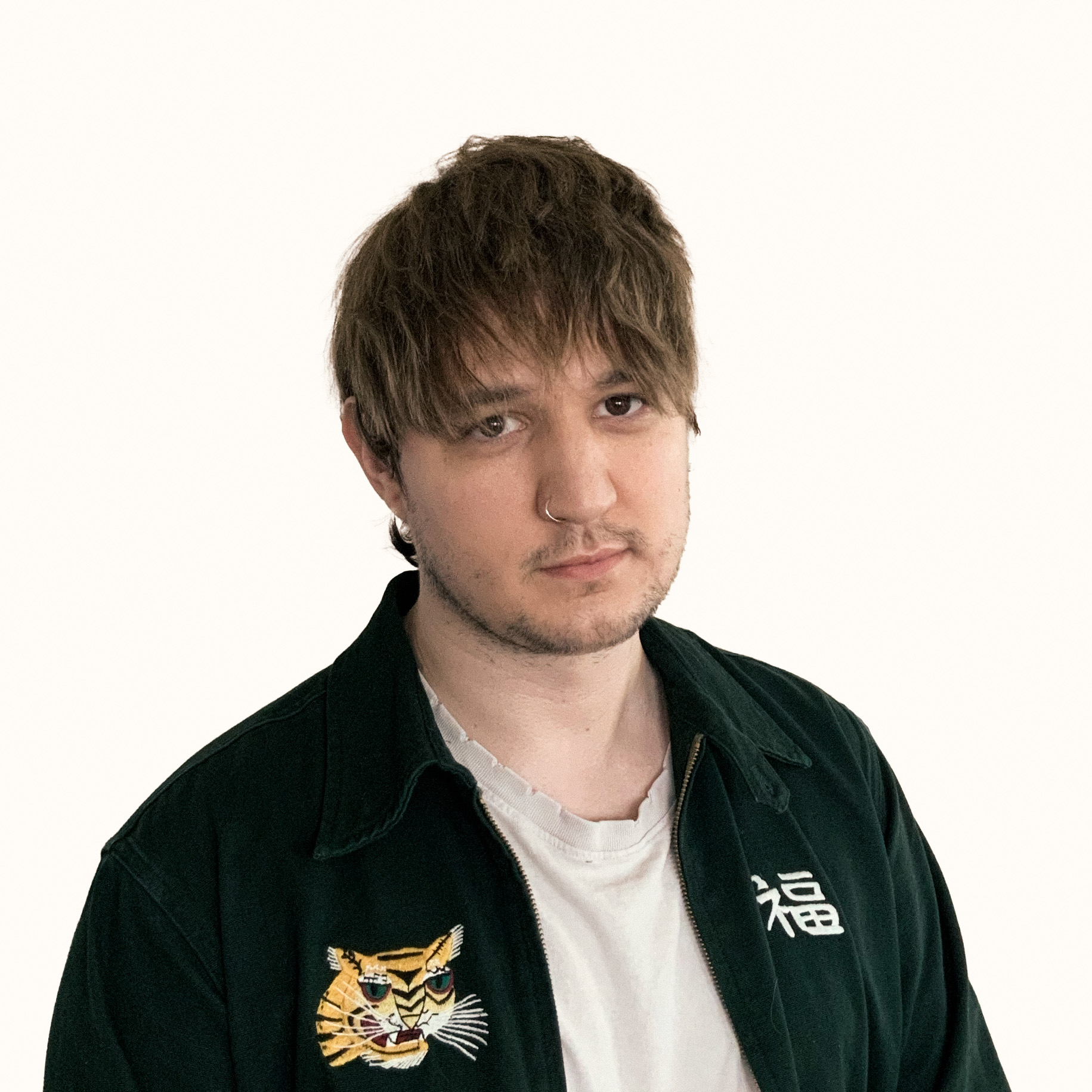
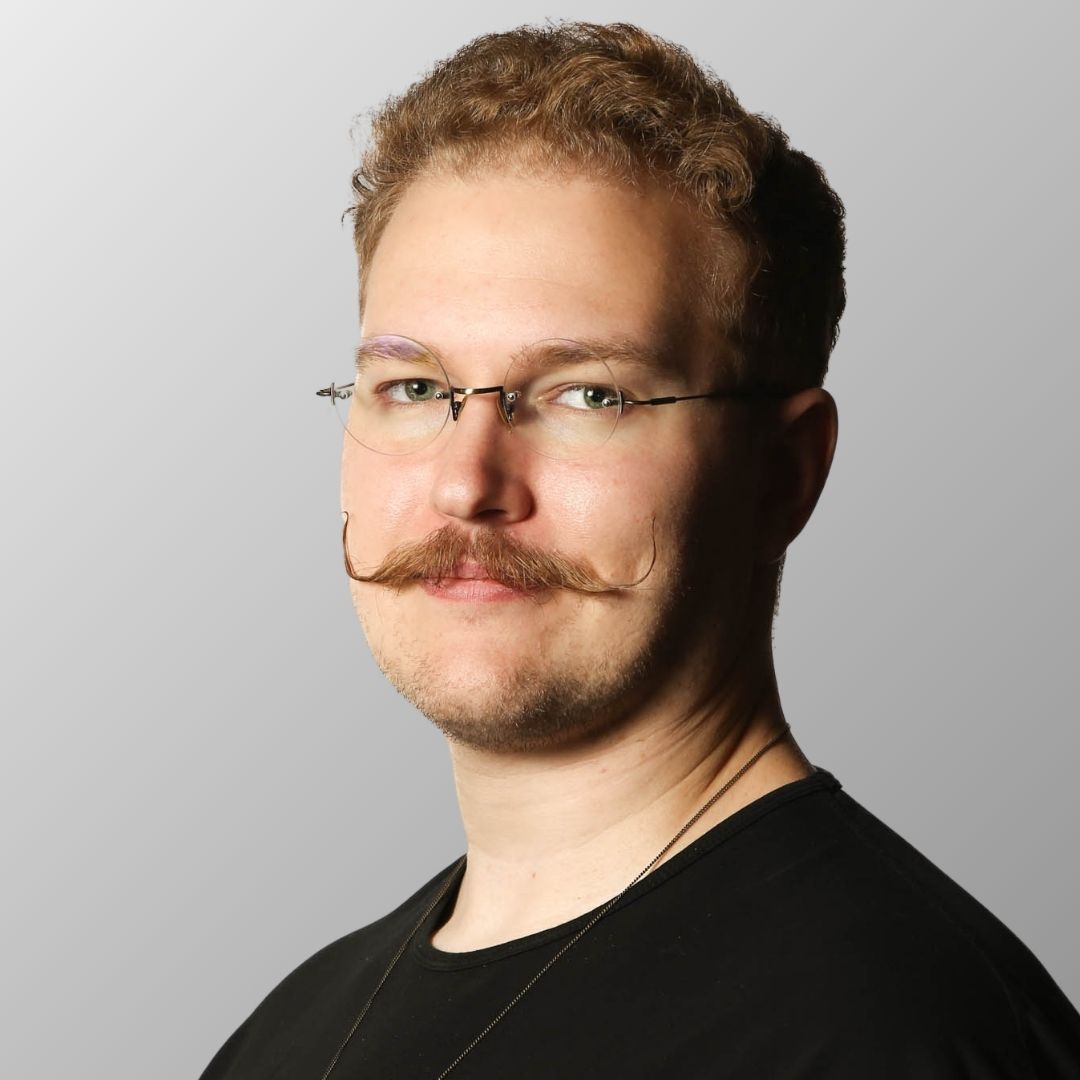
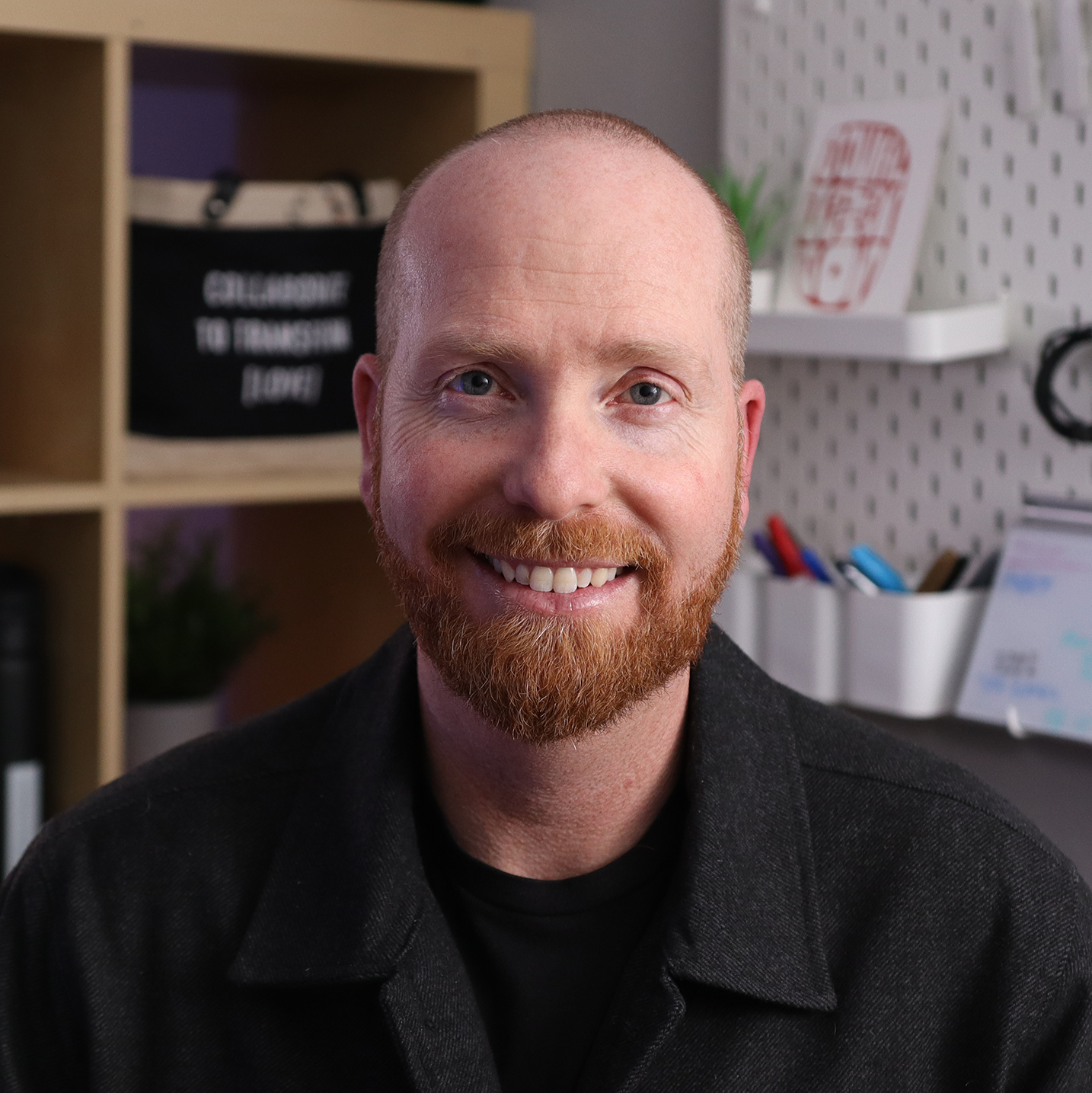
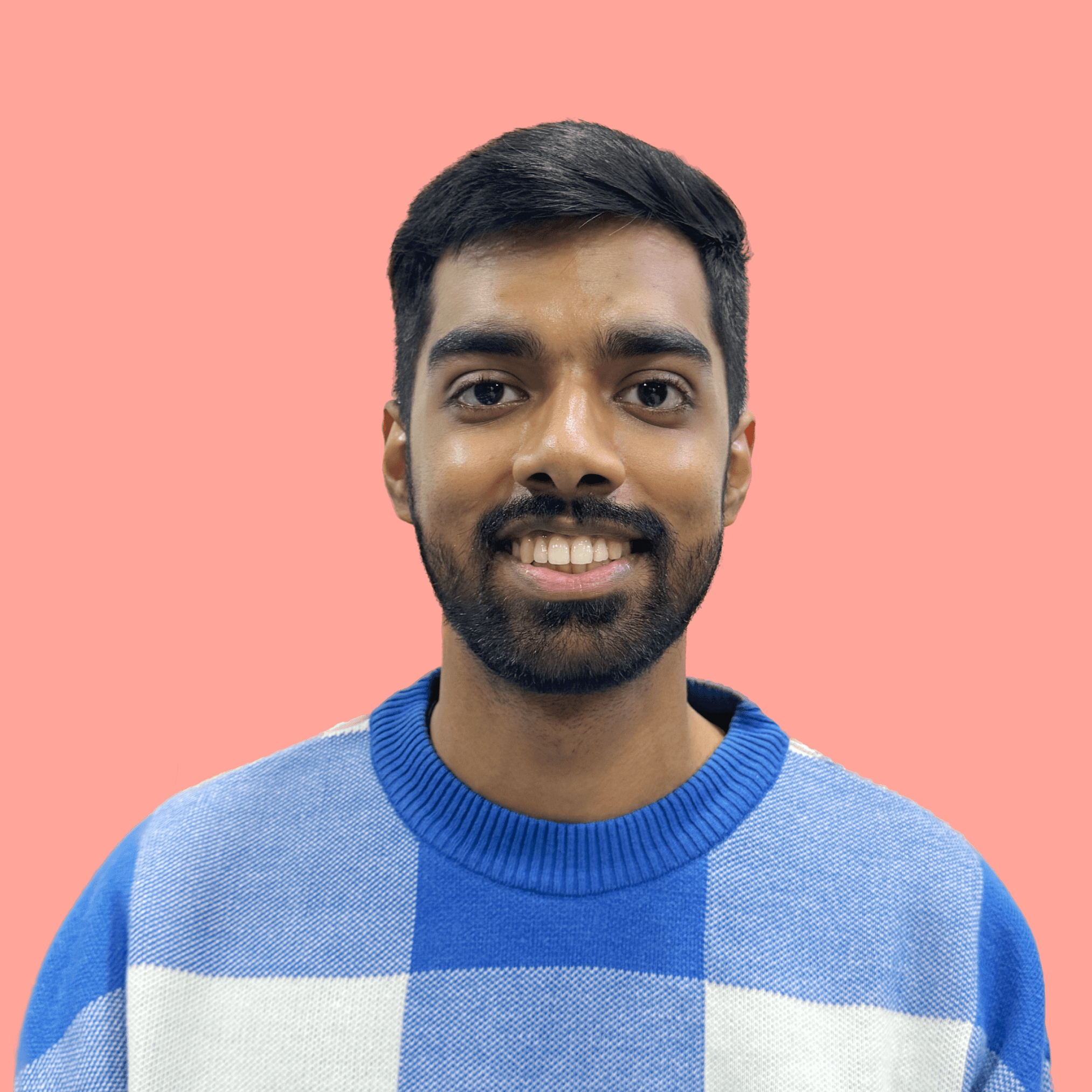
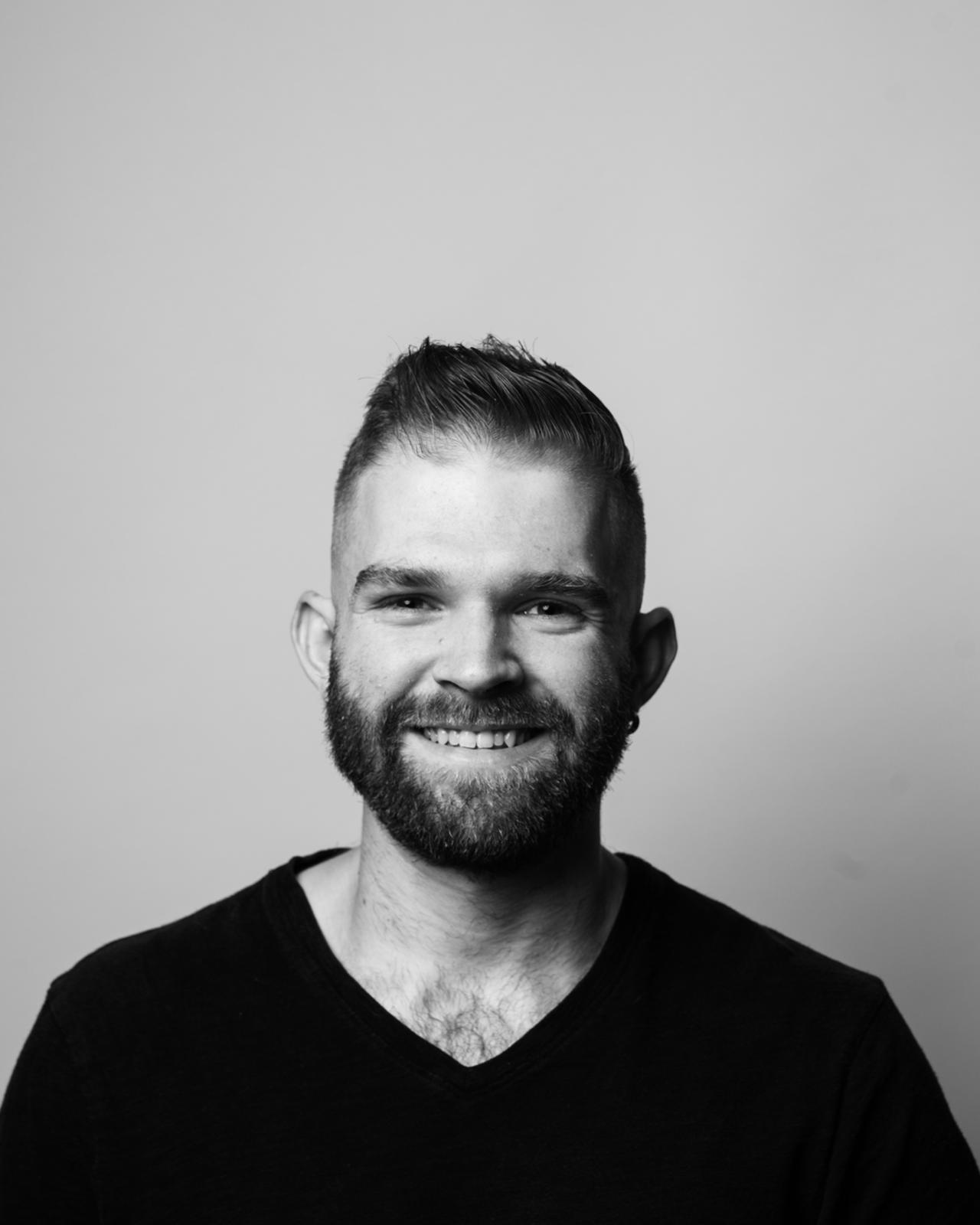
Ben started out as a graphic designer at an agency but then took a detour as a narcotics agent, simultaneously serving in the Army National Guard at the same time. An explosion in a meth lab ended that career and sent him back to design, which is a sentence that sounds made up... but isn't.
He built a branding studio by hand, joined Blind in Los Angeles as Digital Creative Director, then spent eight years helping build The Futur as its COO. He’s worked with clients like DreamWorks, AMC, Laika, US Olympic Team USA. Along the way, he’s created a stack of tools and templates that ended up in more than fifty thousand creatives’ hands.
We both learned the business the hard way.
Nobody sat either of us down and explained pricing. Or positioning. Or what to do when a client goes quiet on an invoice.
We learned it the way most creatives do. Badly, expensively, and by trial and error.
And because we didn't want other people to face that same struggle, we started helping other creatives build their businesses. We built tools, created content, designed courses, and had deep conversations with our peers.
Then we started noticing the same things popping up, over and over.
After a decade of these conversations, patterns appear. Across creative disciplines, industries, and experience levels, creatives seemed to struggle with the same set of problems. Pricing their work. Building a portfolio that represented them. Bringing in clients. Diversifying their revenue streams. Building a business.
Creatives weren't stuck because they lacked talent. They were stuck because nobody had ever shown them the other half of the job.
So we built what we wished we’d had.
We took the patterns from those hundreds of one-on-one sessions and the things that had actually worked in our own studios, and turned them into a program.
We called it Accelerator, and we ran it as a part of The Futur.
And it was never designed to be a long term commitment. We hoped that folks would come in, get what they need to grow, then leave with a thriving creative business.
That was the whole plan.
And it worked.
A designer who had gone twelve months without a client landing three paid projects. A brand strategist closing $40,000+ in work with another member. Somebody’s first hundred dollar invoice, which mattered exactly as much.
But then... people stayed.
That part wasn't in the plan. They stayed for the calls. They stayed for the feedback.
But mostly, they stayed for each other.
They started referring each other work. Hiring each other. Answering a portfolio posted at eleven at night before morning. What we had built as a course had quietly become a vibrant, close-knit community, and the community turned out to be the part that changed people's businesses.
So we followed it. We went deeper instead of wider. As we put it at the time, it had "grown in depth beyond its original vision."
We needed our own place.
The Futur's mission is enormous and intentionally broad, to help a billion people make a living doing what they love. Our program went the opposite way. Narrow, deep, one room of creatives who know each other by name.
Both are good work. They're just different jobs, and doing both well from the same building was getting hard.
So in January 2025, Accelerator became Maker Division. The whole handover was collaborative from the first conversation to the last, nearly 400 members came with us without missing a coaching call or a billing cycle. We still consider ourselves part of that extended family.
Since then? We’ve been busy.
In 2025 we took the community offline for the first time. Maker Vegas was two days of workshops on income streams and scaling a team, plus axe throwing, a sword fight in a medieval steakhouse, and a night at the Punk Rock Museum. (Ben got to play Matt Skiba's guitar. He still calls it an out-of-body moment.)
Then we went back in Spring 2026, this time to walk the floor of one of the biggest licensing expos in the world together.
We built workshops like Project: Branding and Rock Your Brand. We started Off-Season, a summer sprint for members who want to use the slow months instead of just surviving them. We’ve sent more than thirty issues of The Dispatch, and started a podcast so you can hear us talk shop.
The best part hasn't changed, though. People still finish the course, build their studios, share their incredible work... and stay.
Build a creative business you love
Start with a side hustle. Grow into full-time freelance. Scale into a studio. And we can help. Maker Division gives creatives the systems, feedback, and community to keep growing.