Three bad Photoshop pieces got Ben his first job. Asking ROI of it is just fear.
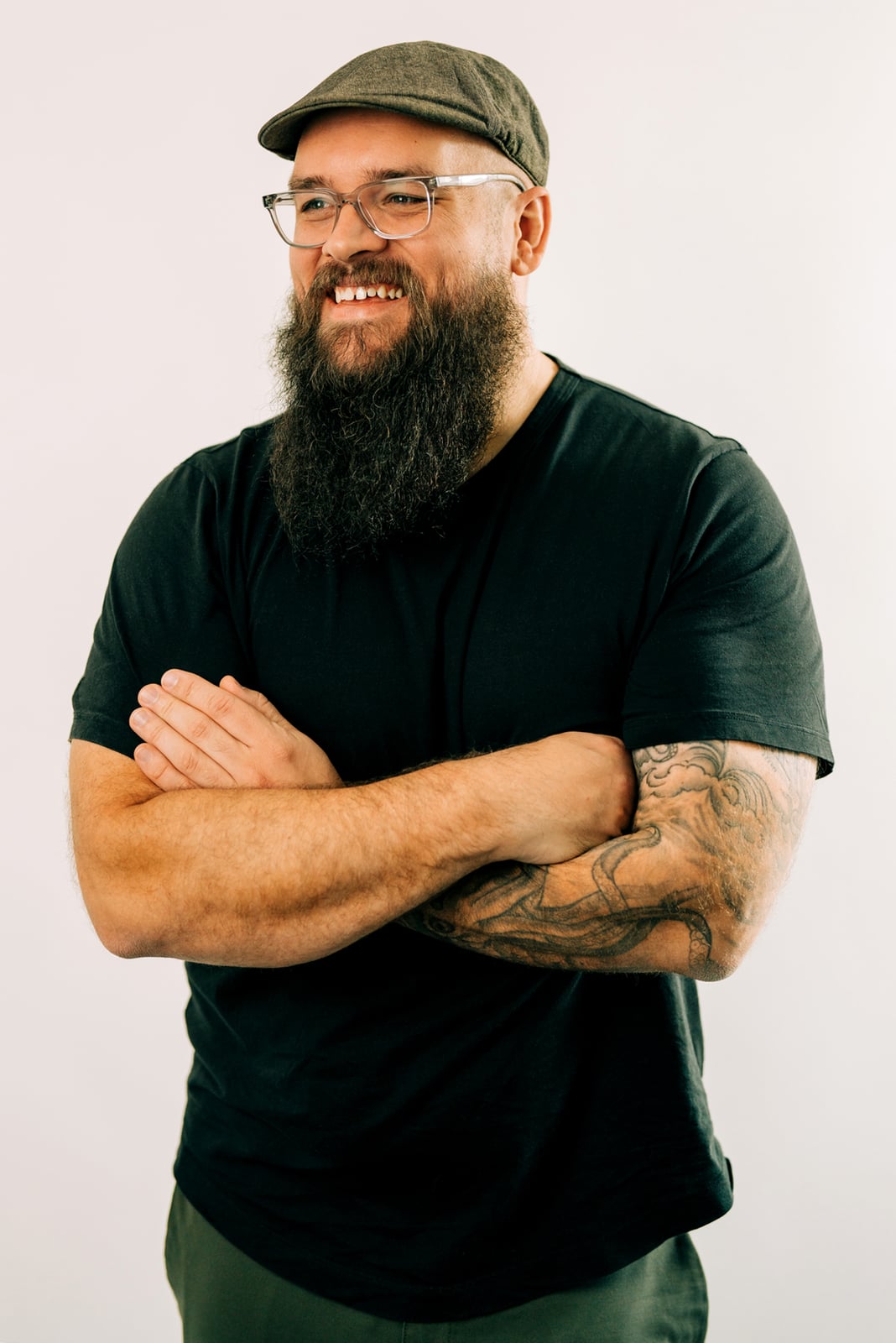
Years ago I sat down across from a creative director named Carol.
I was interviewing for an internship at a marketing agency that made promo packs for movie studios. DreamWorks. Paramount. Real work, the kind you see in a theater lobby.
She asked to see my portfolio… I didn't know what a portfolio was.
I wasn't a designer. I'd started out wanting to be a photographer. I had nothing to show her and I said so, and she was kind enough to say, "It's just some examples of your work. Could you bring some tomorrow?"
So I went home, opened a pirated copy of Photoshop, and made three things overnight. One of them was a beer label. All three were terrible.
I got the job.

Not because the work was good. Because I was willing to go make something.
Here's the truth: every good thing that has happened in my career traces back to a moment where I made something nobody asked me to make. Not one of those moments came with a plan. Not one of them had a projected return.
And yet…
Ask me to spend a Friday afternoon on something creative that nobody is paying for and I will find you eleven reasons not to. I've got a mortgage. I've got a team. I've got a client deadline. Every one of those reasons sounds like responsibility, and every one of them is fear wearing a nicer jacket.
Steph and I named the camps on this week's episode. There's the ROI camp, who won't spend an unbillable hour on anything creative. There's the identity camp, who don't think of themselves as artists and so don't think they've earned the right to make anything. There's the folks for whom creating is genuinely, physically painful. And there's the perfectionists sitting on an idea so good they're terrified of ruining it.
I've lived in three of the four.
But the ROI camp is the one worth taking apart, because its logic collapses the second you touch it. You cannot promise a client an ROI on a logo. You know you can't. Nobody can trace a sales bump to a wordmark, because a brand doesn't live in a vacuum. And yet we demand exactly that guarantee from ourselves before we'll spend two hours on our own work.
What's the ROI of a business book? A networking event? A sales call that goes nowhere? An email to somebody you admire?
Unknown. All of it. We do them anyway.
So here's the actual choice in front of you. You can go make the thing and maybe nothing happens, or maybe an opportunity you couldn't have predicted shows up on the other side of it. Or you can skip it, and take the sure zero.
That's the whole decision. A maybe, or a guaranteed nothing.
Steph's husband Nathan drew Chewbacca with a Fu Manchu. Instagram shared it the day The Force Awakens hit theaters. That one post, made for no reason, turned into DC illustrations on t-shirts at Six Flags, Marvel merch at Universal, and a licensing deal putting his R2-D2 on men's golf apparel. They didn't know what licensing was when he drew it.
Steph took every free lettering workshop she could find during the pandemic with no expectation of ever getting paid for it. She now charges five figures to hand letter a logo.
Neither of them reverse engineered that. You can't. That's the point.
Steph once called me a punk rock boy scout. She got that from watching me build a bookshelf, and it's better positioning than anything I've written about myself in ten years. So if you can't figure out what makes you interesting, stop guessing and go ask somebody. You are the worst possible judge of it.
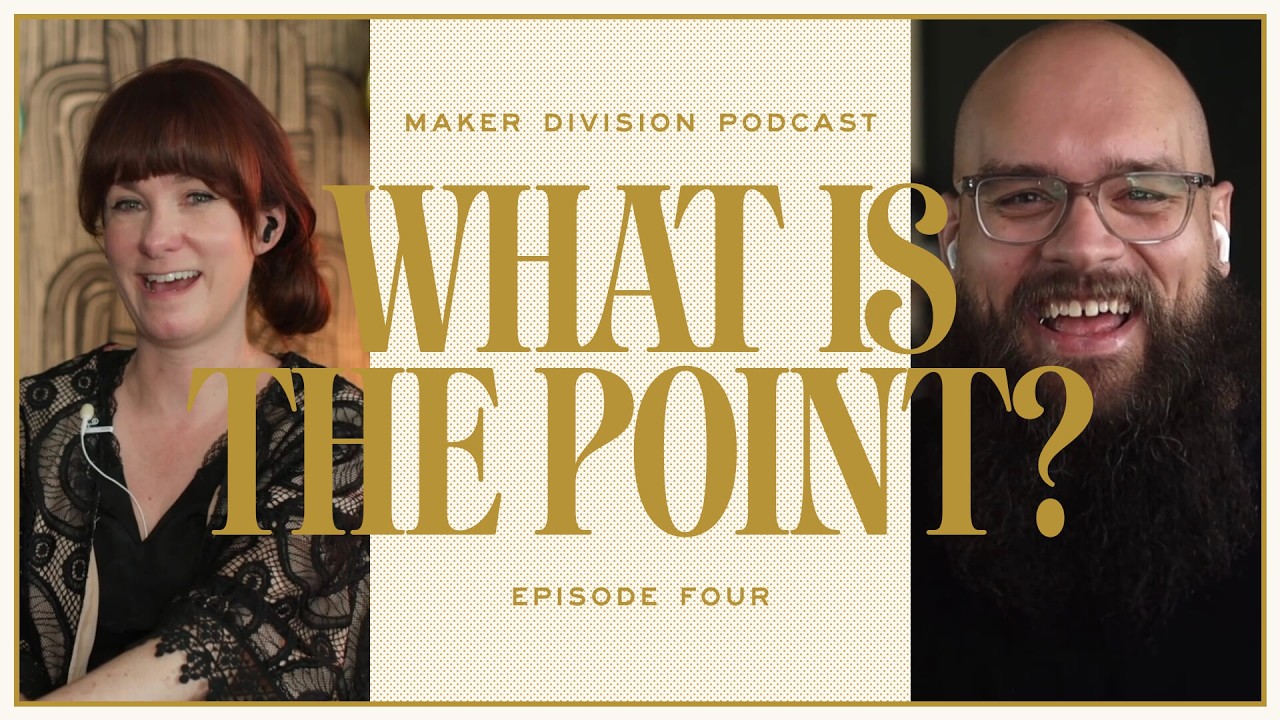
The full conversation is up now on the Maker Division podcast. We get into the four camps, the perfectionism trap that kept Maker Division sitting in my head for seven years, and the question worth asking when you've got nothing to make.
Go listen here→ https://youtu.be/GyhTEoH7Swo
Then go make something this week. Fifteen minutes. No plan, no audience, no return.
Go play!
Ben Burns
Co-Founder, Maker Division
P.S. Maker Vegas is coming this fall, and this year it's all about scaling your studio beyond clients. Just wanted to give you a heads up so it's on your radar. Applications open soon and this list hears first!
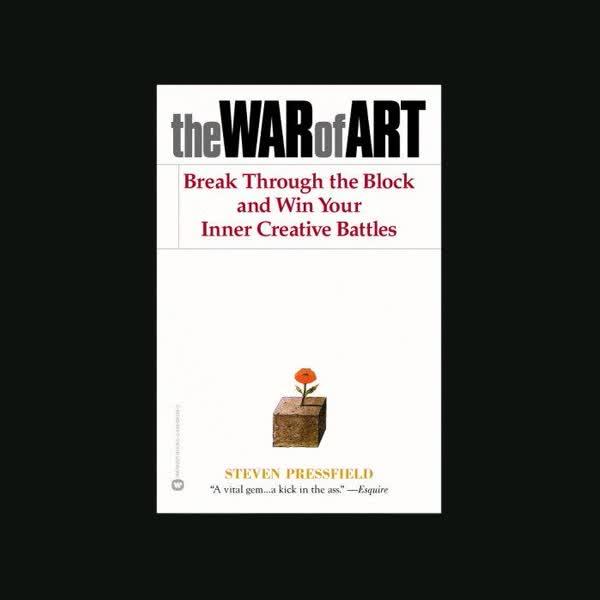
The War of Art By Steven Pressfield
THE Bookshelf
I called this book by the wrong name twice on the episode, so here's the correction. Pressfield named the thing that stops you sitting down. He calls it the Resistance.
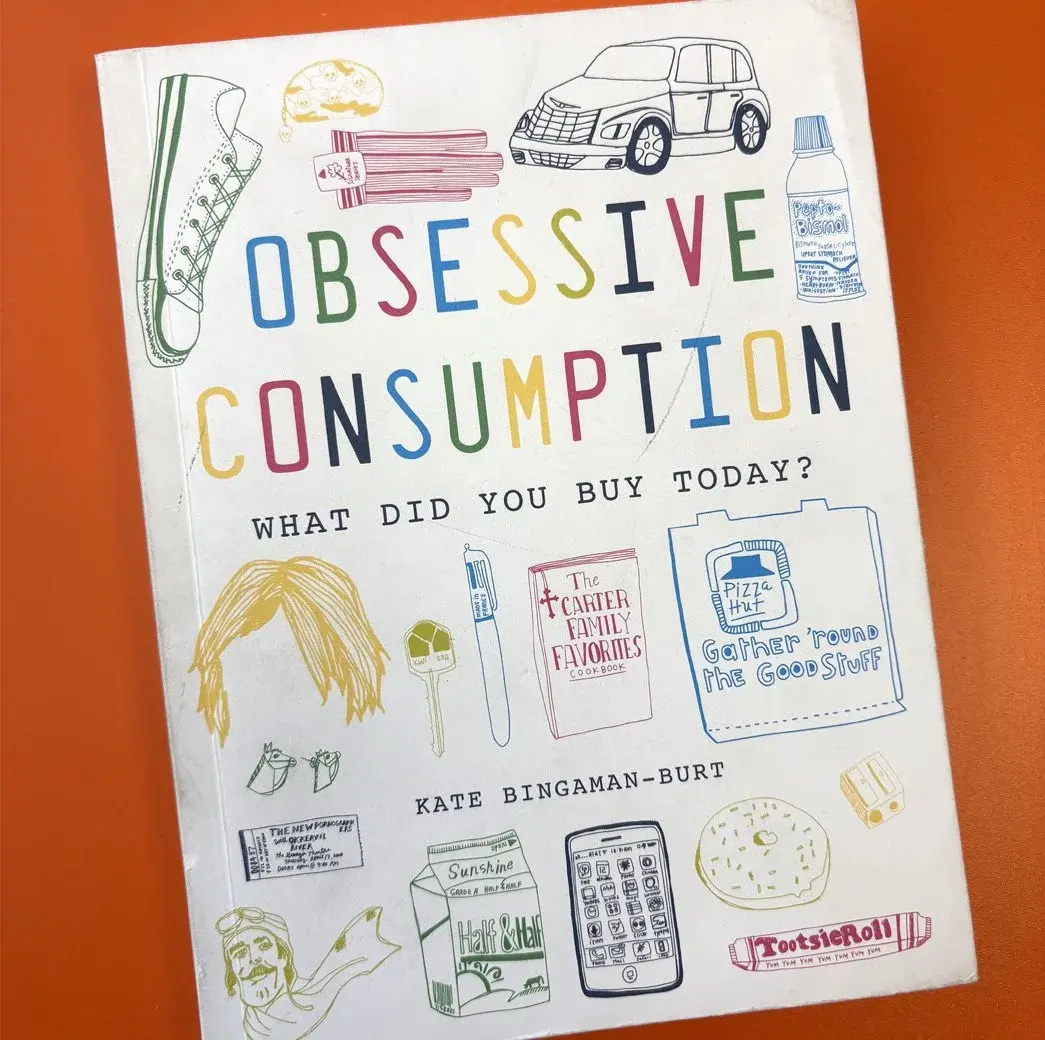
Kate Bingaman-burt
Artist we love
Since 2006, she's drawn one thing she bought. Every day. Priced and dated. Vaseline, Cheerios, a haircut. No client, no plan. It became books, a career, a professorship.
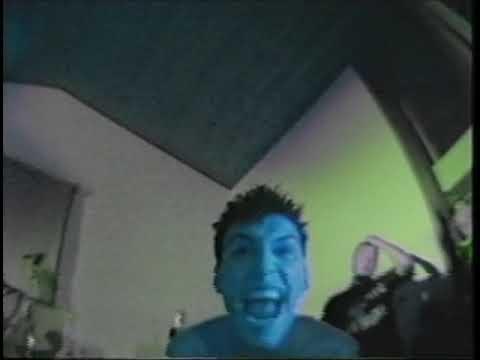
Verbal Kint
On Repeat
by Link 80 B ay Area ska punk, off 17 Reasons in 1997, and the only official music video the band ever made. Partly shot at 924 Gilman. It looks like it cost about eleven dollars and it absolutely rips. Nobody asked them to make it and it's still here thirty years later.
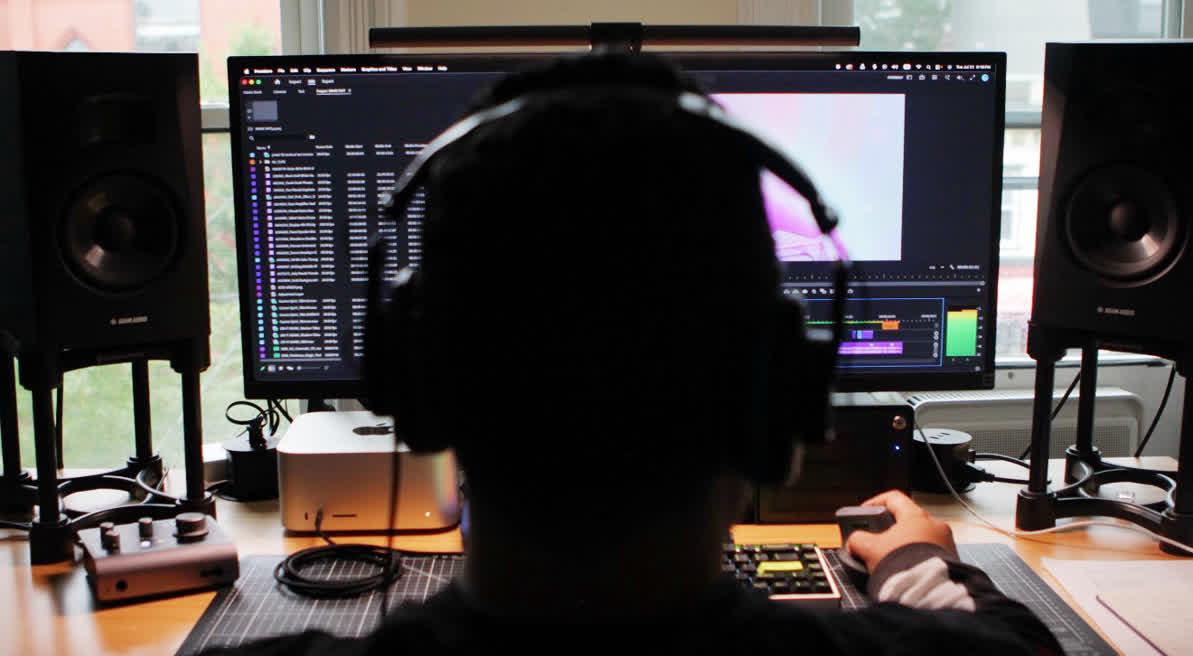
Carlos Gamarra runs Colored Keys Studio, a remote video editing operation out of New York, and he's been in the Division since December of 2024. Earlier this year he landed a $28k project with Etsy for their Top 100 Gifts holiday campaign, which came to him through outbound off the back of his capabilities deck.
But that's not why he's here this week.
After a coaching call where Steph and I went on about protecting time for studio work, Carlos wrote a few words in his notebook. Make sh*t. Show it. Do it again. Then he spent the weekend turning it into a thirty second film. No client. No brief. He produced the music, the sound design, and the visuals himself, and then handed it to the community.
We recorded a whole episode about why creatives won't make their own work. Carlos just went and made it. Go watch it.
Member Win
Carlos Gamarra
I landed a 5-figure project with Etsy.com, working on their holiday sale campaign called Top 100 Gifts. The process of finding or building proof, like the cap deck, has given me the confidence to be able to show and talk about my work in an organized way...
But, ultimately, the coaching calls have helped me the most with both offering support, encouragement and a safe space to meet.


RElated issues
The best career advice I've heard all year.
Some thoughts on doing work for yourself.
The good idea fairy… and other momentum murderers
Build a creative business you love
Start with a side hustle. Grow into full-time freelance. Scale into a studio. Maker Division gives creatives the systems, feedback, and community to keep growing.