

Weekend texts, scope creep, rush jobs. The polite lines Steph uses to hold firm.

Setting boundaries with clients can feel like walking a fine line, especially when you don’t want to upset them.
But let’s get one thing straight: just because a client pushes a boundary doesn’t make them a bad client.
Most of the time, they simply don’t know better.
It’s our job to make sure they know what to expect, and if they step outside of those expectations, it’s up to us to reinforce the boundaries with professionalism and confidence.
This has been a hot topic in our Friday coaching calls inside The Division, and I wanted to share a few thoughts on how I personally handle these situations.
1. Out-of-Bounds Communication
Clients contacting you on weekends or via text or DM can throw off your whole rhythm. But here’s the deal: it’s our responsibility to set the stage from the beginning. That’s why I always provide a client welcome packet that outlines my business hours and preferred communication methods. This ensures clients know exactly when and how they can reach me.
When a client does reach out outside of those bounds, it’s a simple and polite reminder:
"I totally get that you might need help over the weekend. Unfortunately, I’m not available at that time. You can check out my hours of availability in the client welcome packet I sent when we kicked the project off for your reference."
Easy, right? And if you’re not sure how to create a welcome packet, we walk you through it inside our Maker Division curriculum.
2. The Scope Creep
Ah, the classic: a client starts asking for more revisions or additional deliverables outside of the agreed-upon scope. This is where you get to lean into your role as a business owner! This is an opportunity to add more value, and more money. Always remember that the scope of work is something you’ve already outlined in the service agreement.
When a client asks for more, get excited!
"I would love to [add that deliverable, revise this again, etc.]! Since this goes beyond the original scope of work we agreed to, would you like me to update that with a new invoice for the new work?"
Most of the time, this will clear up any confusion, and clients will happily give you the feedback you need. And if they agree to the new invoice, even better!
3. The "I Need It NOW!" Request
Here’s where I see a lot of members inside The Division getting caught in the trap of feeling like they’re employees instead of business owners. A client can’t just drop a “I need this by the end of the day” request on you, especially if you didn’t agree to that upfront. Unless you’ve sold a day rate or a specific service where same-day turnaround is part of the deal, that’s just not how we roll.
If you find yourself in this situation, remember: this is an opportunity to charge a rush rate!
Always keep your processes clear, and make sure clients know your minimum time requirements. When I’m on retainer, I make sure I have all tasks that need to be finished a week in advance.
"I’d love to get this project finished for you. Since this is a last-minute request, I’ll need to charge a rush rate for this. Are you okay with me sending that invoice over?"
More often than not, if it’s truly urgent, they’ll be happy to pay the rush rate. If it’s not, they’ll learn to plan ahead for next time.
The key takeaway here?
Set your boundaries early, and enforce them confidently.
It’s not about being rigid or inflexible; it’s about creating a healthy working relationship where both you and your clients know exactly what to expect, and everyone is happy.
If you’re struggling with boundaries or need support in building a better client system, come join us inside The Division.
We walk through all of this and more in the curriculum, where you can learn how to establish and enforce boundaries that allow you to do your best work, and get paid for it!
Ready to enforce your boundaries like a pro? Click here to join The Division today!
“Elegantly wasted”

Now Playing
You know what makes everything better? Leon Bridges. And if I can't listen to Leon Bridge, I'll take Hermanos Gutiérrez. Put them all together? Forget about it. This one's been on repeat in the studio this summer.
Profitable Art Blueprint
Free Workshop
If the thought of taking on more clients in order to increase your revenue has you in a tizzy, I feel you. But there are other ways to scale your studio. Enter alternative income streams and Stacie Bloomfield. In her free workshop (kicking off today) you'll learn what your next income stream could be in order to keep making money from your craft while not taking on more clients.
You Are a Badass

On the Bookshelf
I like my mindset reads with a side of humor, so if this one sounds like just the kind of energy you need to finally establish those boundaries to clients with confidence, this book is for you.
Graduating from Maker Division is no small feat.
We want to make sure that our members master outbound and inbound lead generation, put together the highest quality of marketing assets, and build smart and sustainable business foundations. All while still having a passion for their craft.
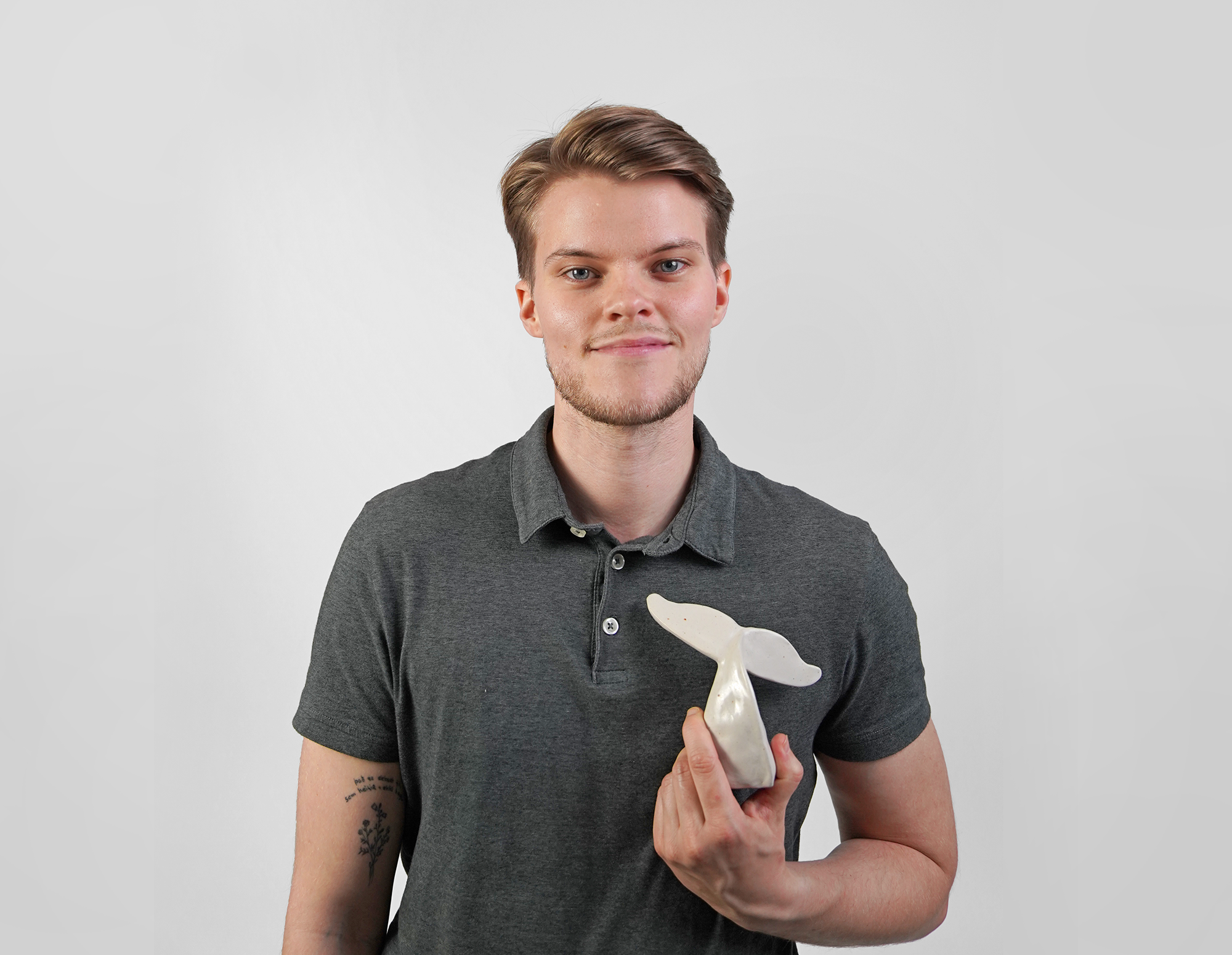
Stefán Yngvi Pétursson did all of that.
We have this tool inside our portfolio building module called the Creative Cocktail. It's all about infusing your personality and values into your body of work. This isn't about empty niches. This is about passion leading your lead generation.
And Stefán's work is a prime example of how this works out in your favor.
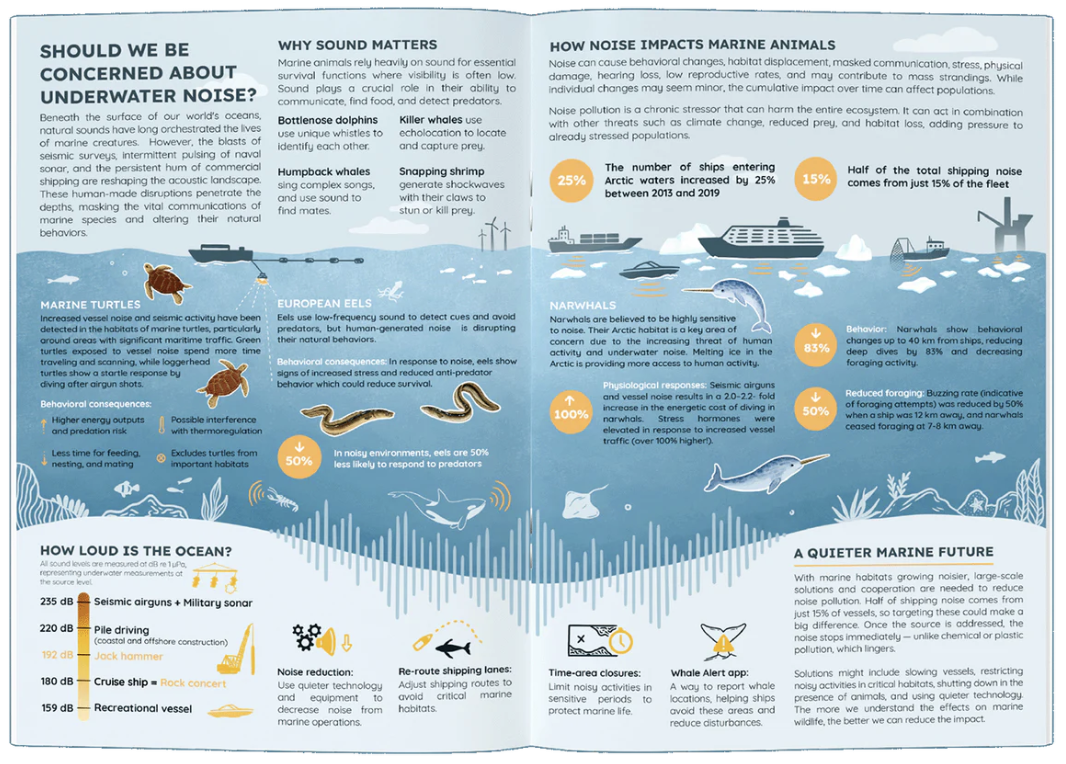
Stefán has had a lifelong passion for ocean and wildlife causes, and you can see that with his work. But where it gets really interesting is a recent win he had right before he graduated.
I'll leave it to Stefán to share his story below, and I hope it inspires you.
He's working on a five-figure project around a cause he cared about, and it all started by staking that claim and getting the work in his portfolio.
Stefán Yngvi Pétursson
Maker Division Win
I would say this has actually been a couple of years in the making. I’ve been dedicating my work to ocean and wildlife causes for a while now, slowly building trust and connections in the space. That consistency paid off. Earlier this year, I joined the board of an ocean NGO in Iceland, and that opened up even more opportunities to create real impact. Together with the board, we came up with a strong campaign slogan, and from there I built a pitch deck outlining the vision, the message, illustrations, tone, social media assets, even a short film. I stepped into a creative director role, overseeing the whole look and feel of the campaign. We presented the pitch to a possible sponsor and they agreed to fund it! It was one of those rare moments where everything just clicked - the cause, the people, and the timing.


RElated issues
When they ask for too much…
How to Get More Done… Maybe
Relationships are everywhere you look.
Build a creative business you love
Start with a side hustle. Grow into full-time freelance. Scale into a studio. Maker Division gives creatives the systems, feedback, and community to keep growing.