
Testimonials without homework: draft it yourself from what the client said.
Can you say some nice things about me?
And then maybe can I use those nice words to do some marketing for my business?
And can I also use a picture of your face when I do?
I'm thinking you're probably a little smoother about asking for a testimonial… but be honest: That whole ask can feel SO AWKWARD when we're finishing up a client project.
And I can tell you from experience as a client, unless I'm absolutely raving about the service I received, the whole review process can feel a lot like homework… especially if it involves filling out a web form.
Ending a client engagement with homework is just about the last thing we want to do, especially since we want our clients coming back for their next project.
Homework testimonials can wind up feeling bland, stuffy, stale, or even worse: uninspiring. We've all seen how much emotion one can pack into a negative review, right? I can't tell you how many positive testimonials I read that lack that same level of charge… that emotional spark.
For years now, I've used a method of gaining authentic and glowing testimonials without assigning a minute of homework.
The secret? I write them.
But hold on - you're probably pretty worried that I'm about to tell you to lie, cheat, and steal your way to a great review. But that's not how I roll, and that's not what this is.
Let's break this system down step by step.
Prereq: Provide great service
This should go without saying, but it doesn't. I was recently asked if providing a high level of service, craft, and skill was even important. It was an honest question, and I have an honest answer:
Yes.
If you're not delighting your clients, no positive testimonial will ring true. First, evaluate your process, your communication, and your project management flow. We go deep into this in the Maker Division curriculum, so I won't harp on it… but if you find yourself consistently at odds with your clients, start keeping track of when and where this happens.
Then improve.
Step One: Document your project
As you progress through the project, keep track of what happened. This doesn't have to be fancy! Simply jotting down notes in a notebook will help you remember how things went down (invaluable when writing case studies, btw).
Bonus points: I like to keep track of the clients emotional state or energy level throughout the project. It's a helpful gauge for evaluating your process and identifying areas of improvement.
Most important: Capture positive things your clients say about you and your work. Record these as accurately as possible.
Transcription and ai summarizing tools can be really handy for this. Turning this on for presentations and client meetings can alleviate a lot of the admin weight.
Step Two: Identify the emotional high point
You present the work, and you see the client lean in. Their eyes sparkle. They crack a smile. They start talking faster. Or can't put together words. You nailed the assignment. You know it. They know it. And their second cousin who knows Photoshop hasn't had the chance to ruin everything.. yet. I sincerely hope you know what this feels like.
This high point is where great testimonials happen.
It's precisely where we want to take a snapshot to share with everyone later. But it might happen in different places between different clients. One client may react negatively to your initial pass, but be incredibly grateful that you didn't give up on them. Another might get crazy excited when you send them a discovery recap.
When it happens, document it. Sometimes you may need to encourage them to share more. In those cases, here are a few questions to keep in your back pocket:
- We've got a lot of work ahead of us, but how are you feeling about our progress so far?
- Out of curiosity, is this what you expected before we started working together?
- We can dig into the details in a little bit, but what's your gut reaction to what we covered today?
- I'm feeling the excitement! How does this make you feel about the future of [the business, the project, etc]
Step Three: Go for the ask
As the project winds down, but before it's finished, it's time to make the ask.
(For those of you with retainer models where your work is ongoing - look for the end of a billing cycle or the completion of a more significant effort.)
If we wait until the project is finished, the client may be mentally moving on from the work. Or they may be getting busy because of the work (rolling out implementation can be a ton of work). We want to be close to the finish line, but not over it.
Here's the good news: If you've done your homework, this ask is super simple to put together. In fact, here's an email template for this very purpose:
Hey [client name]!
As we near the end of the [project name/reference], I'd love the opportunity to share your experience with people who see our work.
I know writing a testimonial might be tough to prioritize–especially with everything you have going on–so I took the liberty of writing one for you based on things you've said in our meetings together :
“[write the testimonial here]”
Does this accurately represent our experience together?
If so, I'd be happy to share this as-is, but feel free to make any edits or even completely rewrite it in your voice with your current thoughts. I know it's helpful not to have to start from scratch.
[Niceties, then sign off]
Then, when they say yes or give you a rewritten testimonial, here's how you ask for a photo:
Hey [client name]!
Fantastic, thanks so much!
I pulled your LinkedIn headshot (attached): Is this the best photo to pair with the testimonial?
[Signature]
Remember, the client can always say no. What we want to do is make “no” harder to say than “yes.”
Final thoughts
Use this framework ethically! This isn't the place to make up a bunch of stuff and hope it sticks. Base your writeup on what the client actually said, felt, and thought. You'll be amazed at how well this is received… especially by busy, hardworking clients.
Talk soon!
Ben Burns
Co-Founder, Maker Division
P.S. If you like this, but still haven't joined yet, keep this in mind: This tip took about an hour and a half to write up. We worked on the Maker Division curriculum for two years. More good stuff inside - give it a shot :)
P.p.s. We get a lot of questions about branding your studio. Things like… Should I be a “we” or an “I”? Or… How wild and crazy should by visual identity be?
What about you? What questions do you have? Hit reply and let us know what questions you have about branding your own creative business.
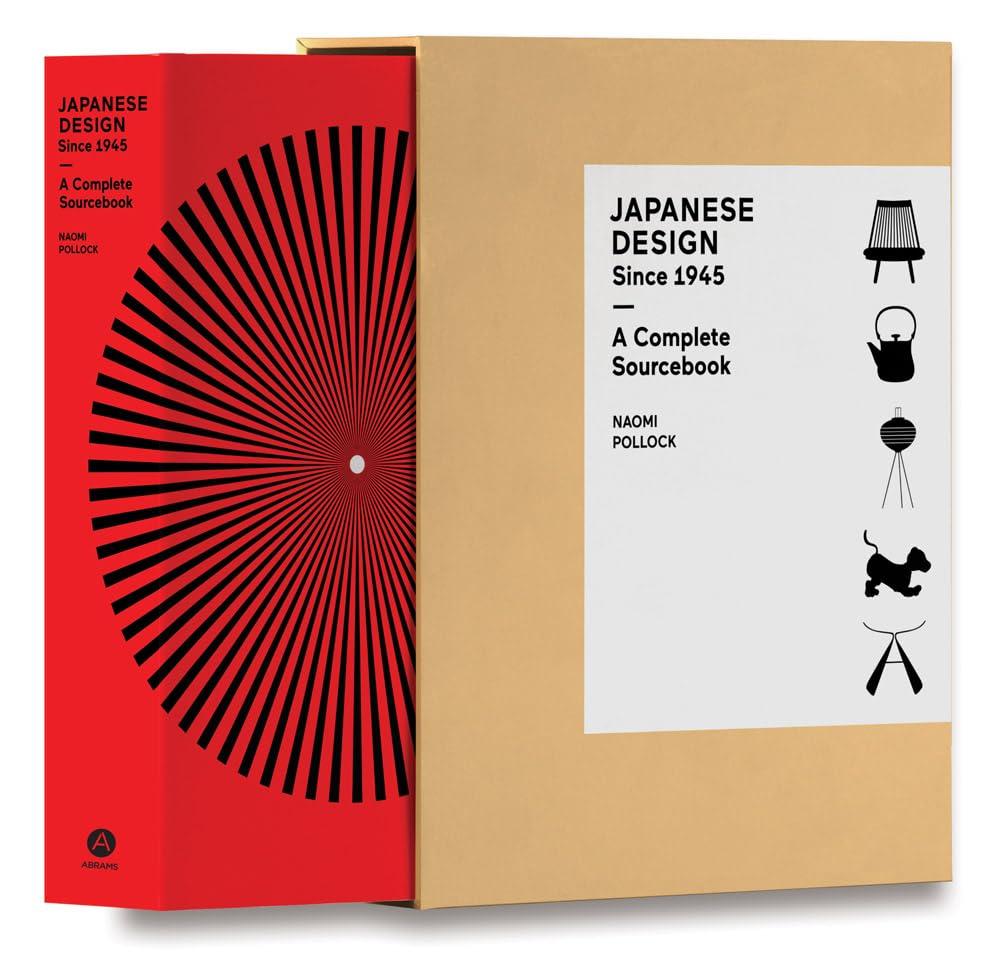
Japanese Design since 1945
On the Bookshelf
I am a sucker for great product design, and I've been recently exploring the transition between analog and digital technology - this book has it all. Great sourcebook for inspiration.
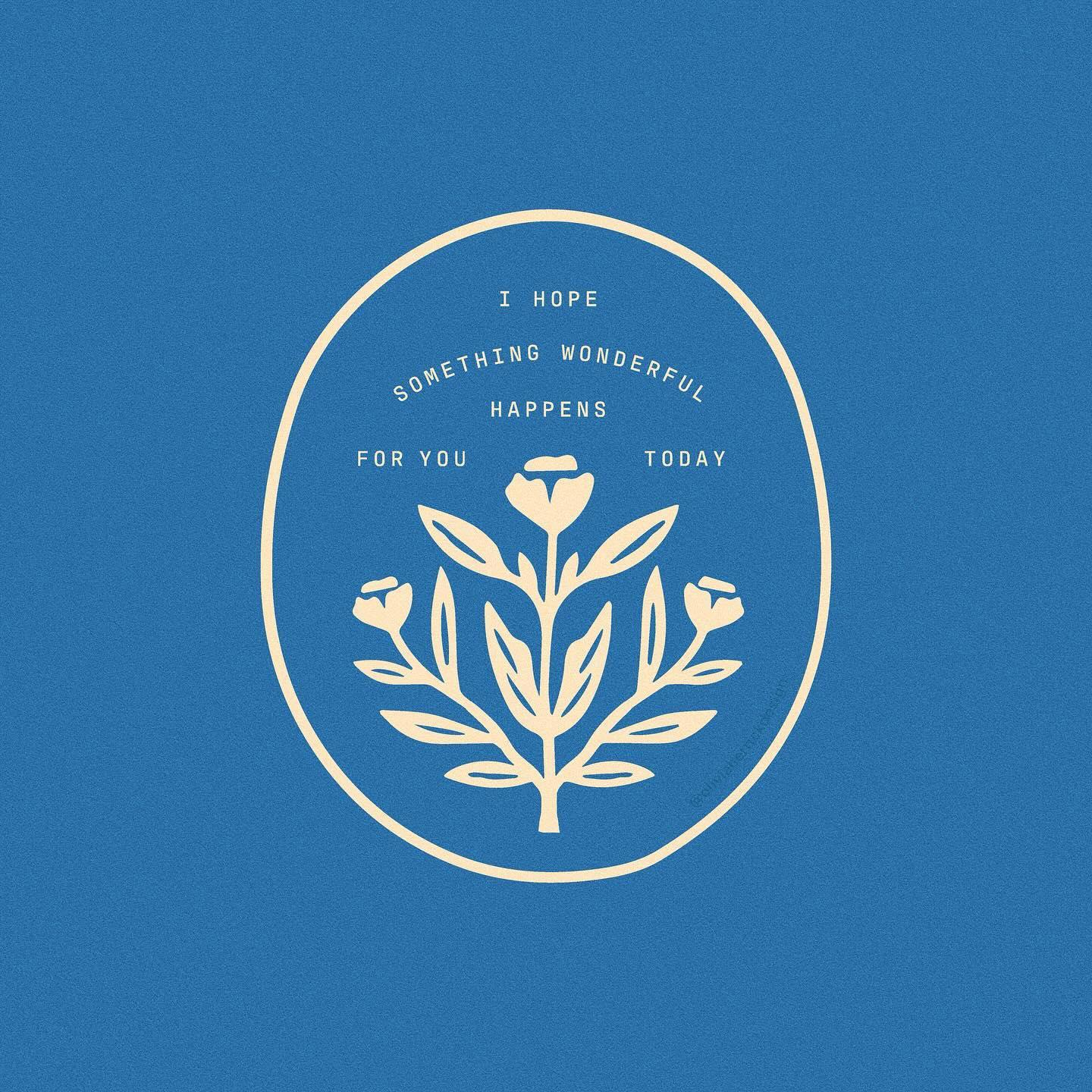
Olivia Herrick
Artist We Love
Olivia is a designer who seems to be on a mission to make your day brighter and your glass half-fuller. I love her use of color and space, her overall message, and the way her work puts a smile on my face.
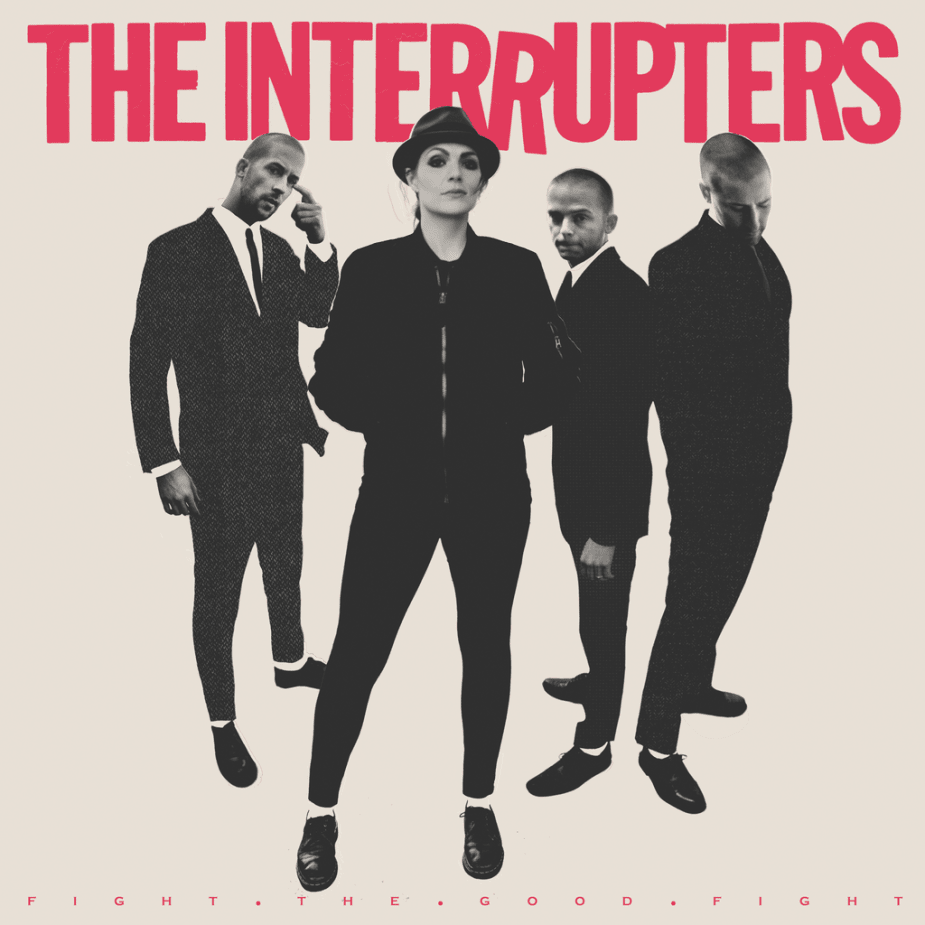
She's Kerosene
Now Playing
She's Kerosene by The Interrupters has been on repeat for the last few weeks. Such a great tune - but stay away if you somehow don't like ska punk.
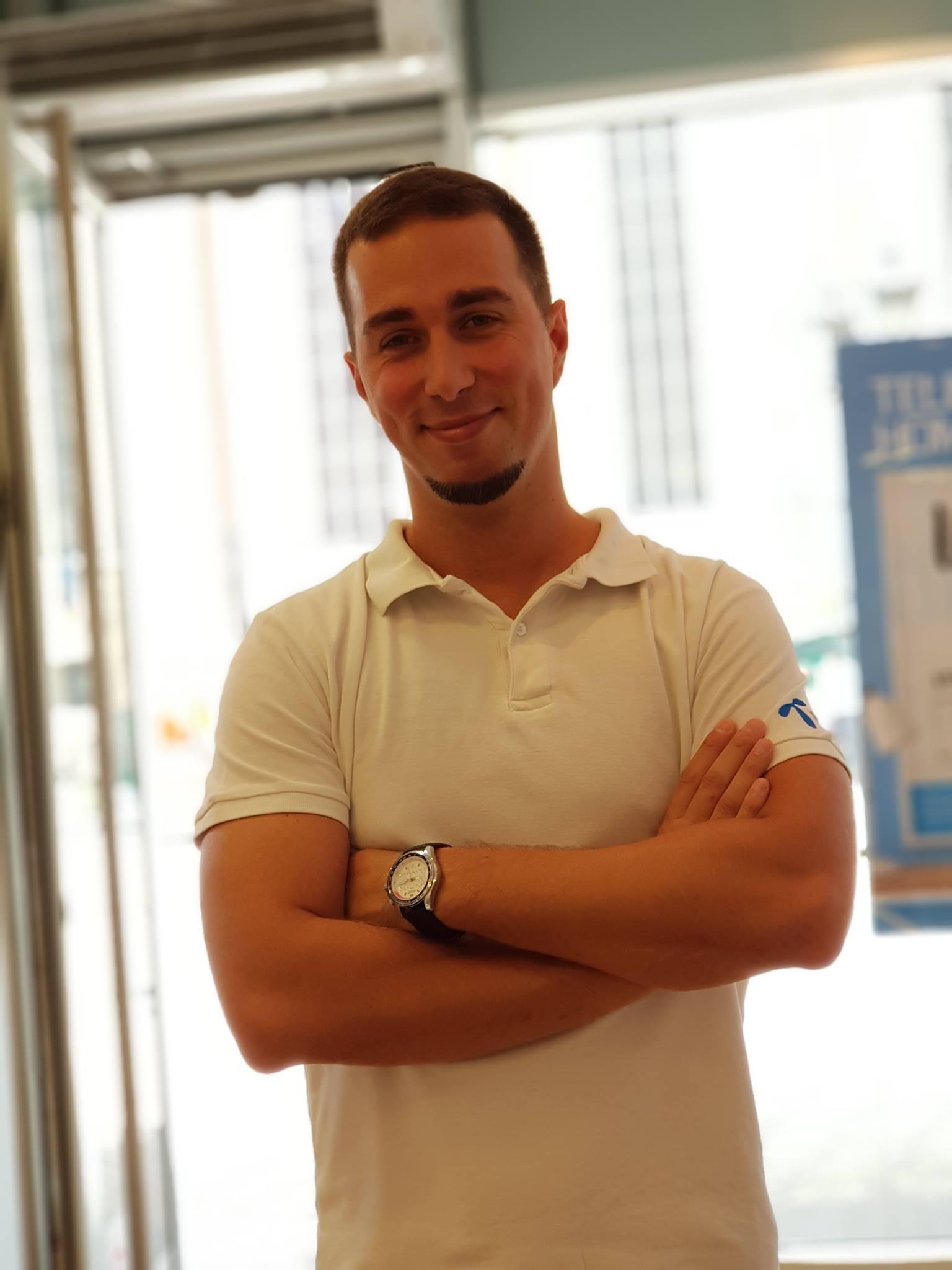
Creative success isn’t always about overnight wins. Sometimes, it’s about resilience—about digging deep, staying the course, and showing up day after day, even when everything feels like it’s falling apart.
That’s exactly what defines Dejan.
Three years ago, his business went bankrupt. No clients. No cash flow. A mountain of debt. Most people would’ve walked away. But not Dejan. He doubled down—working side jobs, investing in his growth through the Accelerator, and pouring everything he had into rebuilding from the ground up.
Inside the Division, Dejan has been a quiet force. He shows up. He listens. He applies. And last week, after years of grinding, he paid off every cent of that debt. Now, he’s not just surviving—he’s building something sustainable. Something strong.
If you’ve crossed paths with Dejan, you already know: he’s got heart, hustle, and a commitment to craft that’s second to none. He’s living proof that patience, perseverance, and hard work still matter. Members like Dejan are what make the Division special.
Here’s to new chapters, earned momentum, and everything ahead.
Dejan Milovanov
Accelerator Win
Three years ago, my business went bankrupt. I found myself in a situation where I had no new clients, no money in my account and, a huge debt both to my bank, and to my family and friends. For almost two years, I fought tooth and nail to get my business back on track, while working additional jobs AND studying in the Accelerator. Last week, I payed off the last cent of that debt. I finally have a chance to direct my profit towards further developing my business and my living standards.


RElated issues
When they ask for too much…
How to Get More Done… Maybe
Relationships are everywhere you look.
Build a creative business you love
Start with a side hustle. Grow into full-time freelance. Scale into a studio. Maker Division gives creatives the systems, feedback, and community to keep growing.