Adding art or products to a client brand. The answer changes if you run a team.
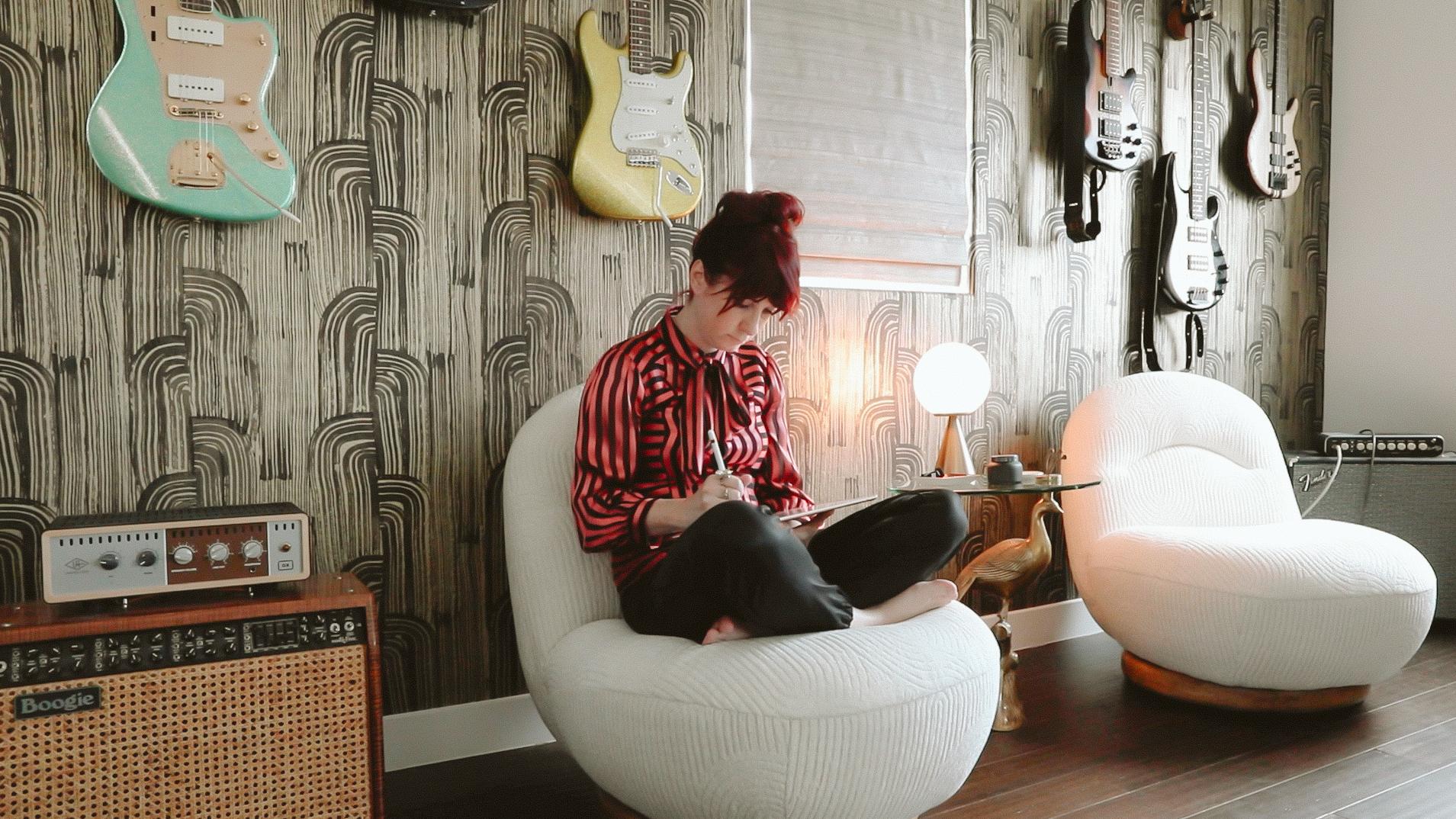
I’ve been up to some good trouble inside The Division lately.
Because as much as I love great client work, I also love stacking income streams that are an extension of who I am as a creative.
Who I am as a human with a point of view.
And more and more of our members are realizing they don’t want to rely on client work alone, either.
Adding income streams- products, licensing, teaching- has been a hot topic.
It was a whole-day session at our recent Maker Vegas retreat, and it’s been bubbling up again in Division coaching calls.
One member asked last week:
“How do you integrate new, more personal or art-based income streams into a brand that’s currently all about client work?”
Per usual, I don’t have a one-size-fits-all answer. But here are a few things to consider:
If you’re negotiating multi–six or seven-figure projects:
Yes, optics matter. Those clients are paying for “always-on” service and problem-solving at scale. In that rare camp (I’m talking rare, 1%er problems), it can make sense to keep personal ventures separate while you’re testing and building. But let’s be real—that’s a tiny slice of the creative industry.
If you run a team:
Your personal ventures might not reflect the identity of the whole crew. In this case, drawing a line between the “studio brand” and your explorations (products, teaching, licensing, etc.) can keep things clear for everyone.
If you’re a solo studio (hi, hello- the majority of us):
Your risk is low, and your reward is huge. This is where bringing your whole self into your business is an advantage. Client services, products, licensing, teaching… they can all live under one roof if they’re rooted in your personal and creative identity. That’s what makes people buy in- because they want to step into the world you’ve built.
And if your current client work doesn’t line up yet? Start shifting it slowly.
Create personal work that points the way.
Take on one aligned client.
Or tuck the off-brand stuff into a shadow portfolio that pays the bills but doesn’t define you. (I did this with copywriting for years- it funded the vision without confusing my brand.)
Because here’s the thing: identity isn’t fluff, it’s fuel.
It’s what unlocks the confidence to bring new streams into the mix, unleashes your creative range, and amplifies the kind of world clients and customers actually want to join.
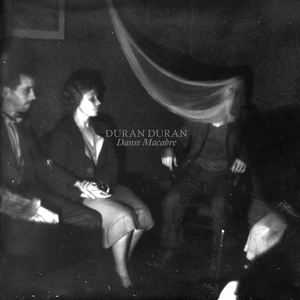
Danse Macabre
Now Playing
Did someone say it's the Bers and next week kicks off Spooky Season? If this is your vibe (it's most definitely mine), check out Duran Duran's album, Danse Macabre . While other bands make Christmas albums, they went Halloween and it will be on repeat for the next month.
Wear Whatever the F You Want
On the Tele
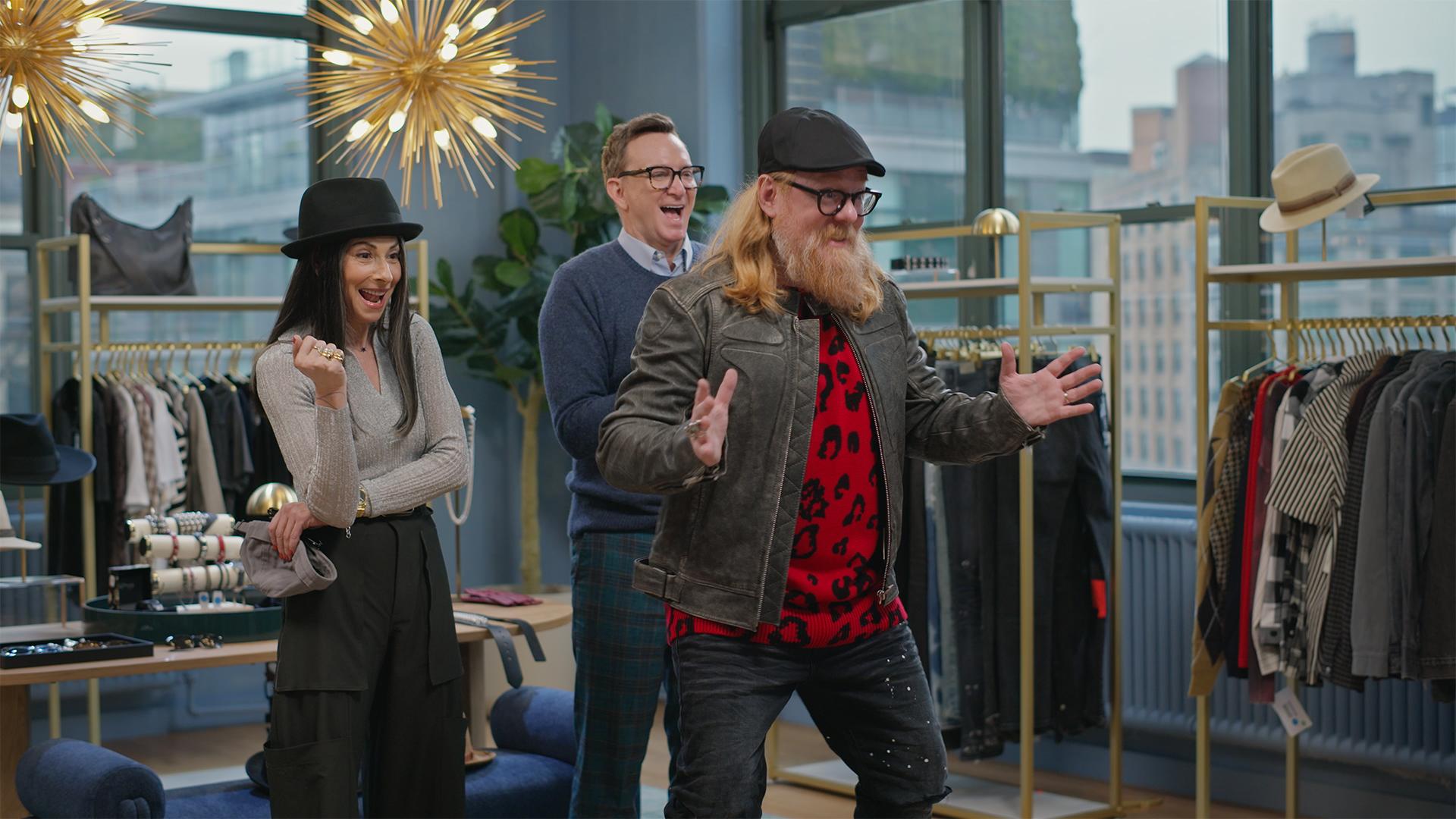
One of my favorite shows of the 2000s is back, but with a whole new spin. Instead of telling people what not to wear and following fashion rules, Stacie and Clinton are back helping people step into the identity they always wanted through their clothing and personal style and I'm here for it!
Embrace Your Weird
On the Bookshelf
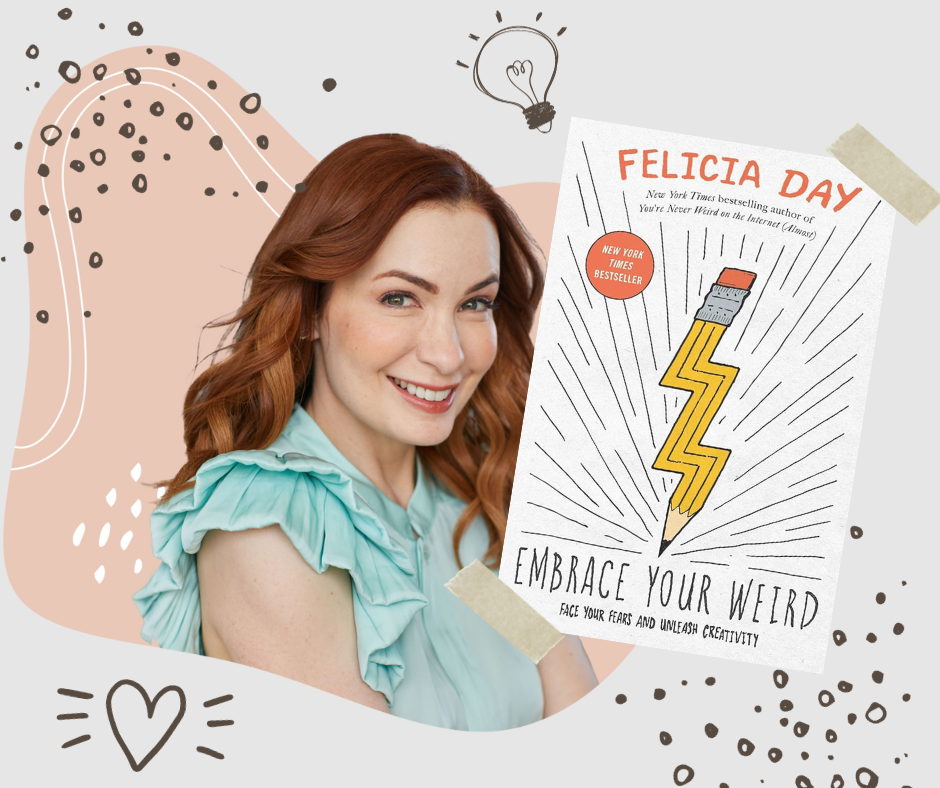
Geek royalty, Felicia Day, has us exploring personal identity in this fun, interactive gem. Pick up a copy, and more importantly, do the exercises and start exploring who you are if you just start dropping the what society, family, and social media expects you to be.

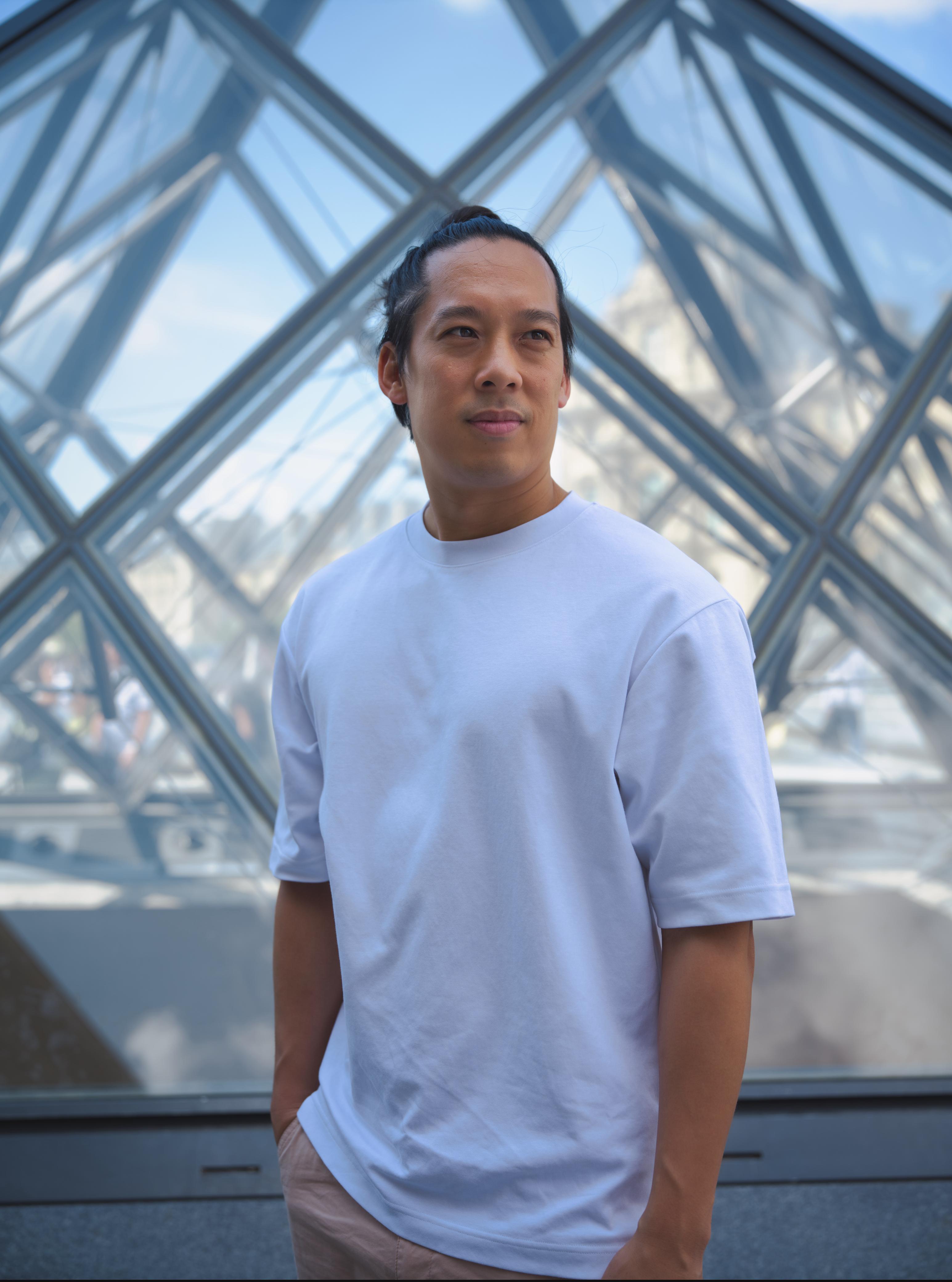
Some people talk about building a brand around who they are. Xavier lives it.
As a Division guide for Module Two (all about building your portfolio with intention), longtime coaching client and friend, and all-around creative powerhouse, Xavier has been carving out a world that’s unapologetically his own.
He’s the mind (and pen tool) behind DumbBelly Clothing, a merch line dripping with his bold illustration style around his love of the gym and food.
And this year he launched The Legacy Load, a Substack newsletter about identity, creativity, and building a brand that's authentic.
His work? Straight fire. His illustrations and brand design are the kind that stop you mid-scroll because they’ve got both edge and soul but are more importantly, an extension of Xavier's personal identity.
Xavier Ah-Hot
Maker Division Win
Working with Stephanie has been eye opening to say the least. Not only was she able to help me define my brand within a few minutes, after months of searching, she also gave me the confidence to work and produce meaningful pieces. Most importantly, she's helped me build a system that I can rely on to reach my goals in the coming year.


RElated issues
The best career advice I've heard all year.
Trent Reznor gave me an idea.
The hats you never wanted to wear…
Build a creative business you love
Start with a side hustle. Grow into full-time freelance. Scale into a studio. Maker Division gives creatives the systems, feedback, and community to keep growing.