
Good work starts before you know where it goes. Show up; the plan comes later.
This newsletter began at the bottom.
Quite literally, in fact.
If we’re being honest, I had no idea what to write about, so I started with our member win (Vaibhav’s story is fantastic btw)… all the way at the bottom of this email. By the time I was done writing that, the rest started taking shape.
Creativity is funny like that.
We often get stuck waiting for the plan. Clarity. Inspiration. To see the end result before embarking on the creative journey.
We worry about wasting our time on something that won’t work, and end up wasting time waiting for the idea that will.
But the truth is, lots of great work begins before we know where it’s going. It happens without a perfect map (and often in spite of one). The muse is most likely to arrive because we picked up the pen or sat down at the keyboard.
Steven Pressfield writes of this in his 2013 article You, As the Muse Sees You:
“It’s how creativity works. We show up. We do our best. Good things happen.”
Showing up is tough. It requires self discipline (or in my case, Steph-discipline). There are countless stories of artists through the ages carving out intentional time (in many cases, against the odds) to show up.
Maya Angelou, the American poet and civil rights activist, would seclude herself in a barren hotel room to write every day for six hours. With nothing more than a bed, a Bible, and a bottle of sherry, she created her most powerful work.
She showed up. And it wasn’t easy. In a 1990 interview, she said:
“I try to pull the language in to such a sharpness that it jumps off the page. It must look easy, but it takes me forever to get it to look so easy.…it takes me forever to get it to sing. I work at the language.”
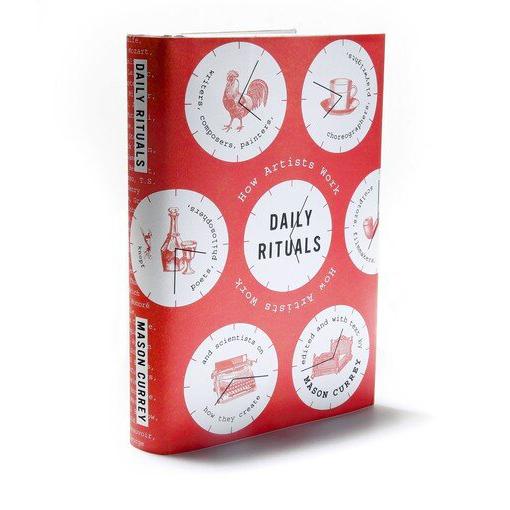
I’ve been rereading Daily Rituals: How Artists Work by Mason Currey. It’s full of examples of creatives who make daily work a habit. A habit that would be impossible if they required themselves to know the outcome before starting.
You can’t both show up every day and expect to know where you’ll end up.
So if you’re stuck right now, staring at a blank artboard or worried if that next lead gen experiment will even work, I got you.
Go for it.
Start (or continue) today. Pick up the pen and draw a line. Open Illustrator and plot points. Press record on your camera. Show up for the muse. You have permission to “waste” the time.
Here are a few ways to do that:
- Open what you’re working on and commit to 15 minutes. That’s it.
- Remove distractions. Chuck your phone out the window. Close YouTube. Pinterest can wait.
- Set a timer. Not for focus, but for permission to stop.
- Start small. Doodle. Write the thoughts that come to mind. Ask a question. Your fingers will figure the rest out.
- If the work is good, keep working. When it’s not, call it a day.
It’s a simple act of faith in creativity. As Martin Luther King Jr said, “Faith is taking the first step even when you can't see the whole staircase."
So have faith. You’ve done this before, you’ll do it again.
You just gotta show up and do the thing.
Ben Burns
P.S. Finishing is something else entirely, and something I also struggle with. I’ve got about 47 versions of my personal website to prove that, hehe.
P.p.s. Something that can help you both start and finish is accountability. The Division is a great place to find that: A community full of creatives showing up and doing their thing.
Daily Rituals
On the Bookshelf
Great work is the sum of small actions. This book gives you a look inside the daily rituals of some of the greatest artists and their smallest actions. Want to brew your coffee like Beethoven? 60 beans per cup. Tons more like this inside.
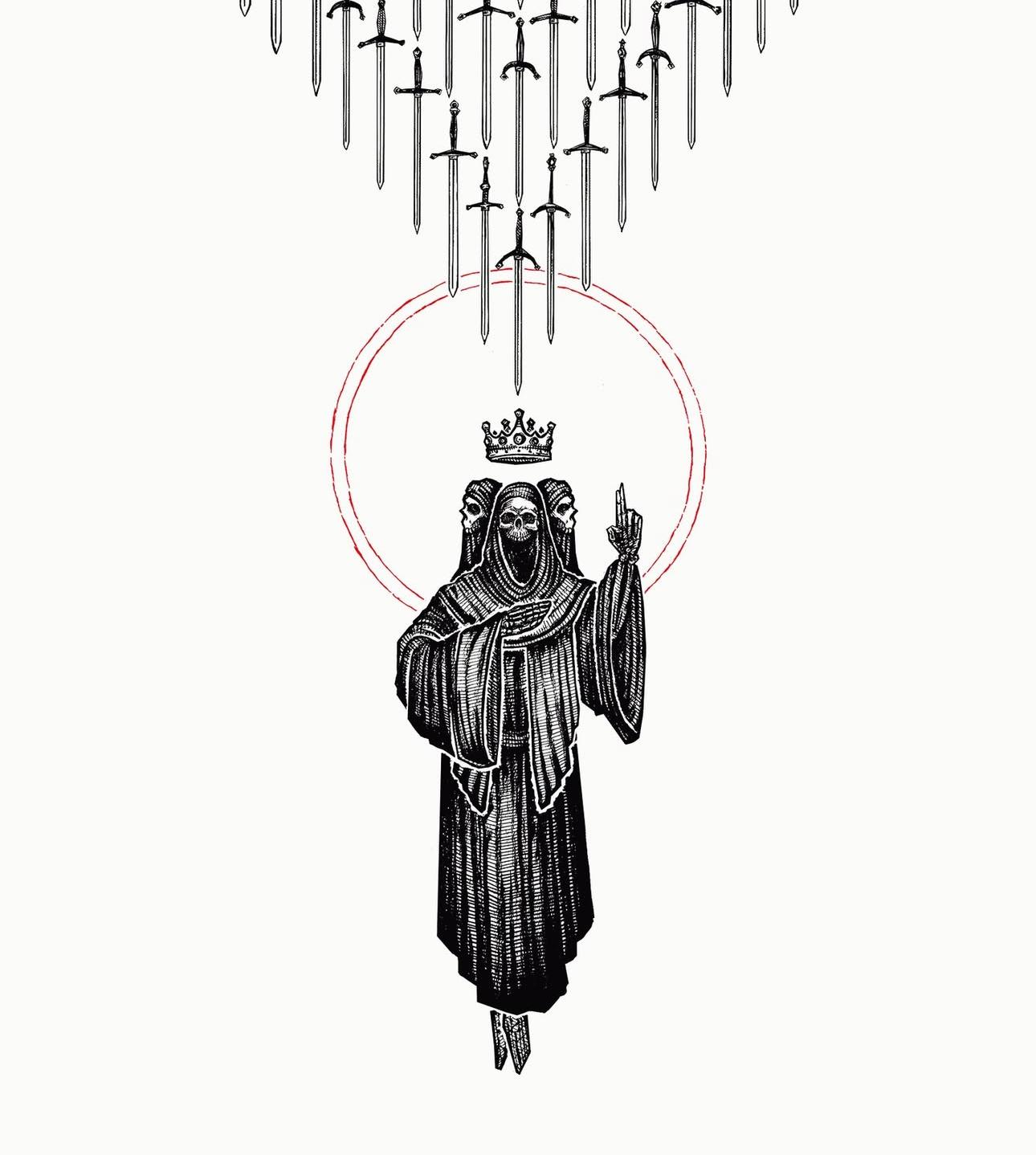
Micah Ulrich
Artist We Love
If you're drawn to the darker side of art, you'll love what Micah draws. Think all the fun medieval, religious, occult and illuminati symbolism in rich, detailed shading and beautiful compositions.
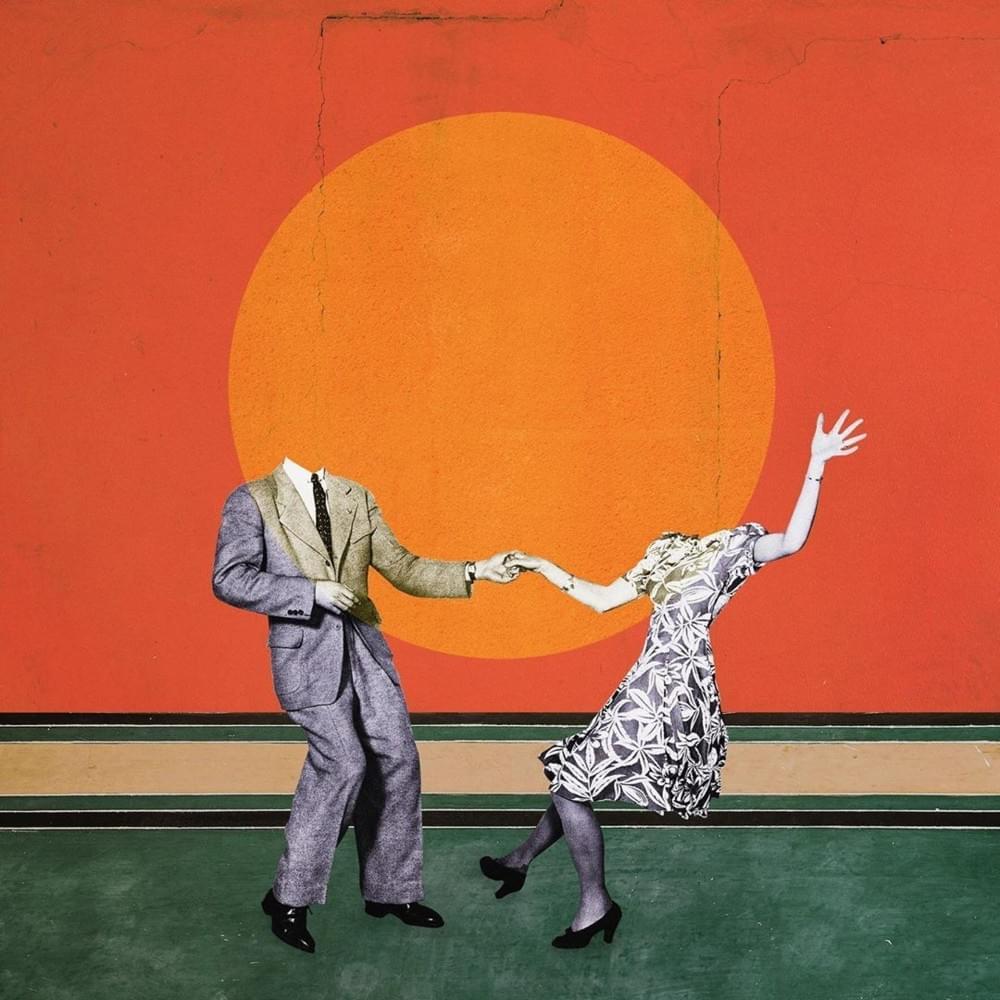
RUNAWAY by Half•Alive
Now Playing
Ohhh the groove on this one. I could just listen to the drum track alone. If you like Mutemath (or anything by Paul Meany), you're gonna love this one.
I’ve got mad respect for the folks who are building their creative careers in places where the industry doesn’t always make it easy.
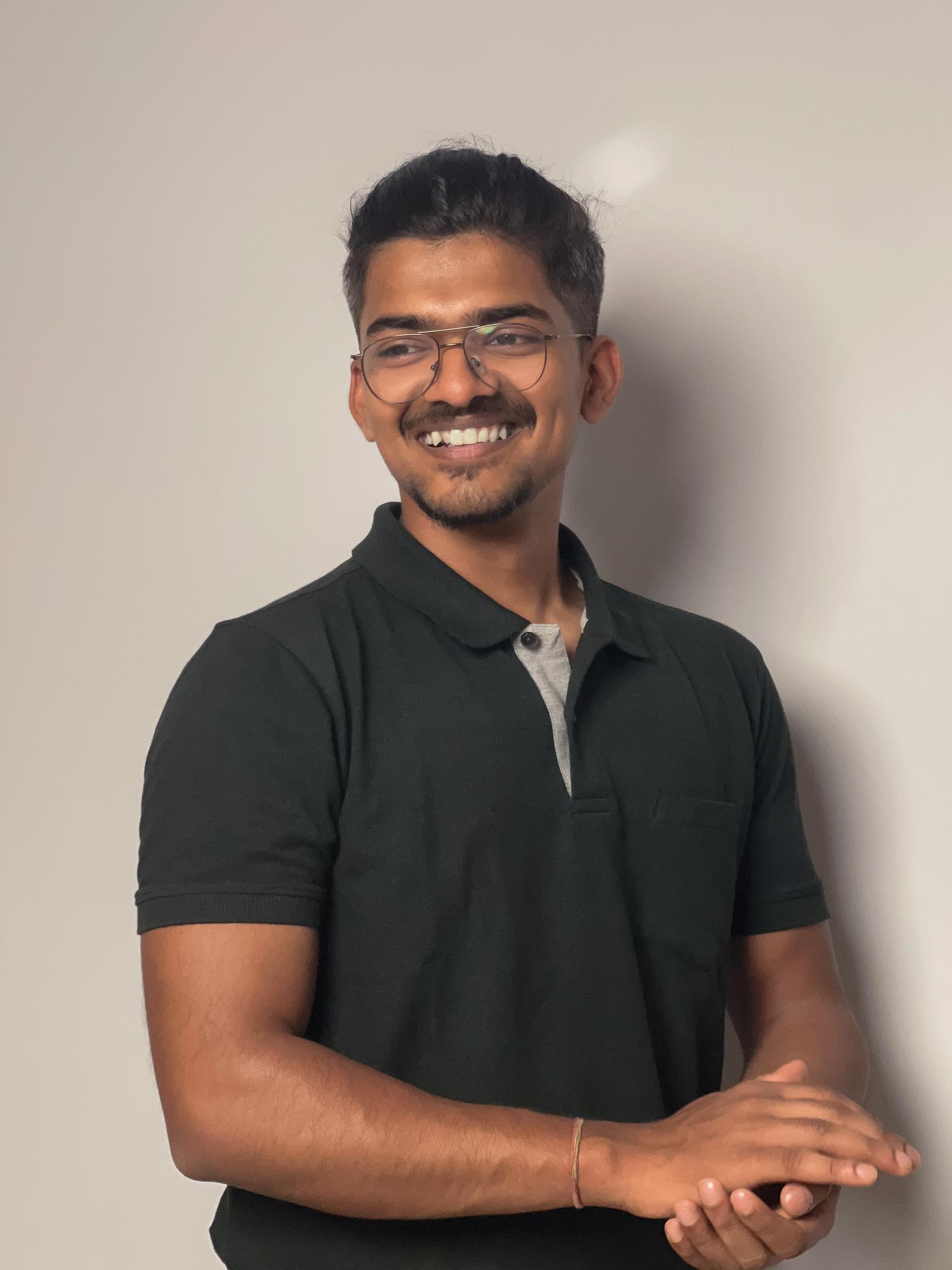
Vaibhav is one of those people.
He’s a brand designer based in India who’s been putting in serious work: not just on his craft, but on his business.
He’s shown up to coaching calls ready to ask tough questions. He’s overhauled his outreach strategy. He’s refined his cap deck. And most impressively, he’s started breaking into different markets with confidence.
Recently, he hit a huge milestone: his first $6,000 month. And the best part? He did it by raising his prices and standing his ground.
We’re so proud of Vaibhav and can't wait to see what's next.
Vaibhav Yadav
Division Win
I got to close $6,000 worth of projects in one month (biggest ever for me!) by increasing my prices and standing my ground. Maker Division played the most important role – letting me believe in myself! Learned about my naive mistakes, the importance of outreach, prospecting, case studies, networking, and, most importantly, marketing yourself without feeling shy!


RElated issues
The best career advice I've heard all year.
I didn't have a portfolio
Some thoughts on doing work for yourself.
Build a creative business you love
Start with a side hustle. Grow into full-time freelance. Scale into a studio. Maker Division gives creatives the systems, feedback, and community to keep growing.