A good idea fairy stalled the podcast for years. Four ways to ship it anyway.
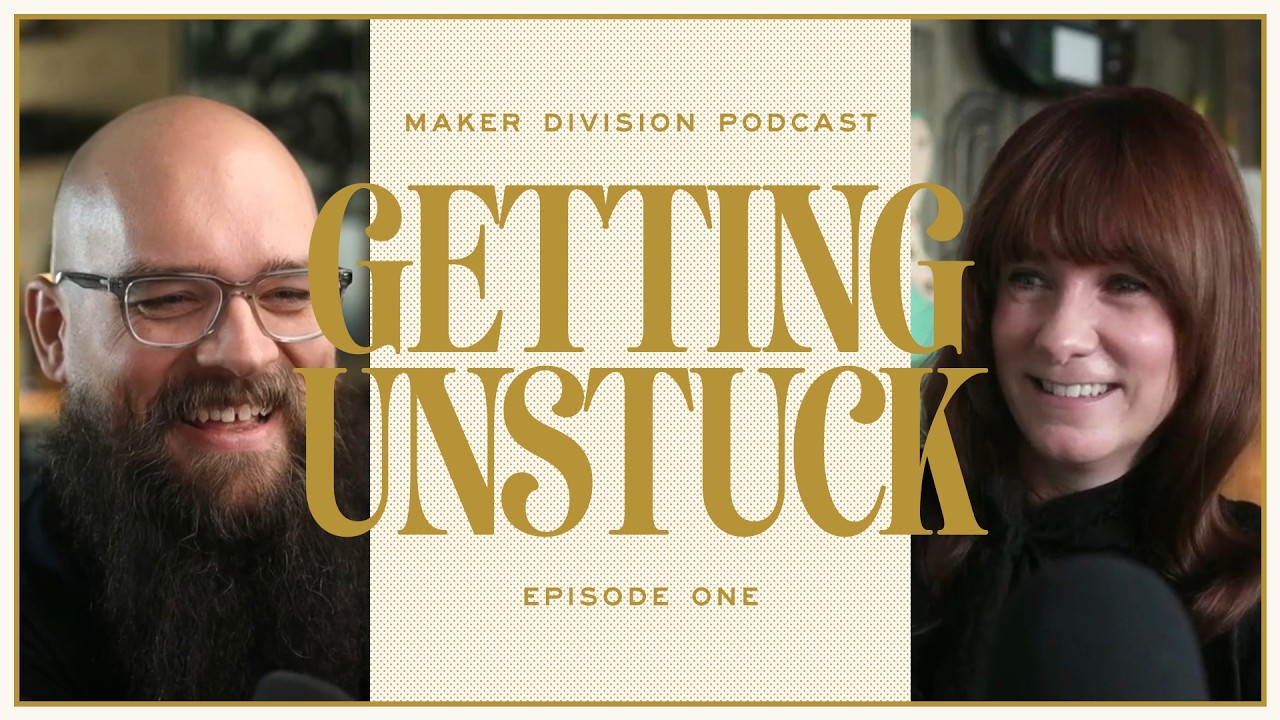
We finally started the Maker Division podcast.
And I say “finally” because this is one of those things we’ve talked about doing for a long time.
Not because we didn’t know it would be useful. We knew.
And… not because Steph and I don’t have enough to say. Tragically, we do.
It was more that familiar creative-business cocktail of overthinking, baggage, logistics, perfectionism, and one VERY persistent good-idea fairy that kept showing up every time we got close to doing the simple version.
The simple version was this:
Sit down, hit record, have the conversation, and publish it.
But of course, that’s not where my brain wanted to go.
My brain wanted the nice setup. The better lighting. The multi-camera experience. The perfect little studio vibe where Steph and I somehow look like we’re in the same room even though we live in different places.
Which would be cool, right?!
And… it’s also exactly how amazing ideas murder perfectly good ones.
So we did the simpler thing instead (for once).
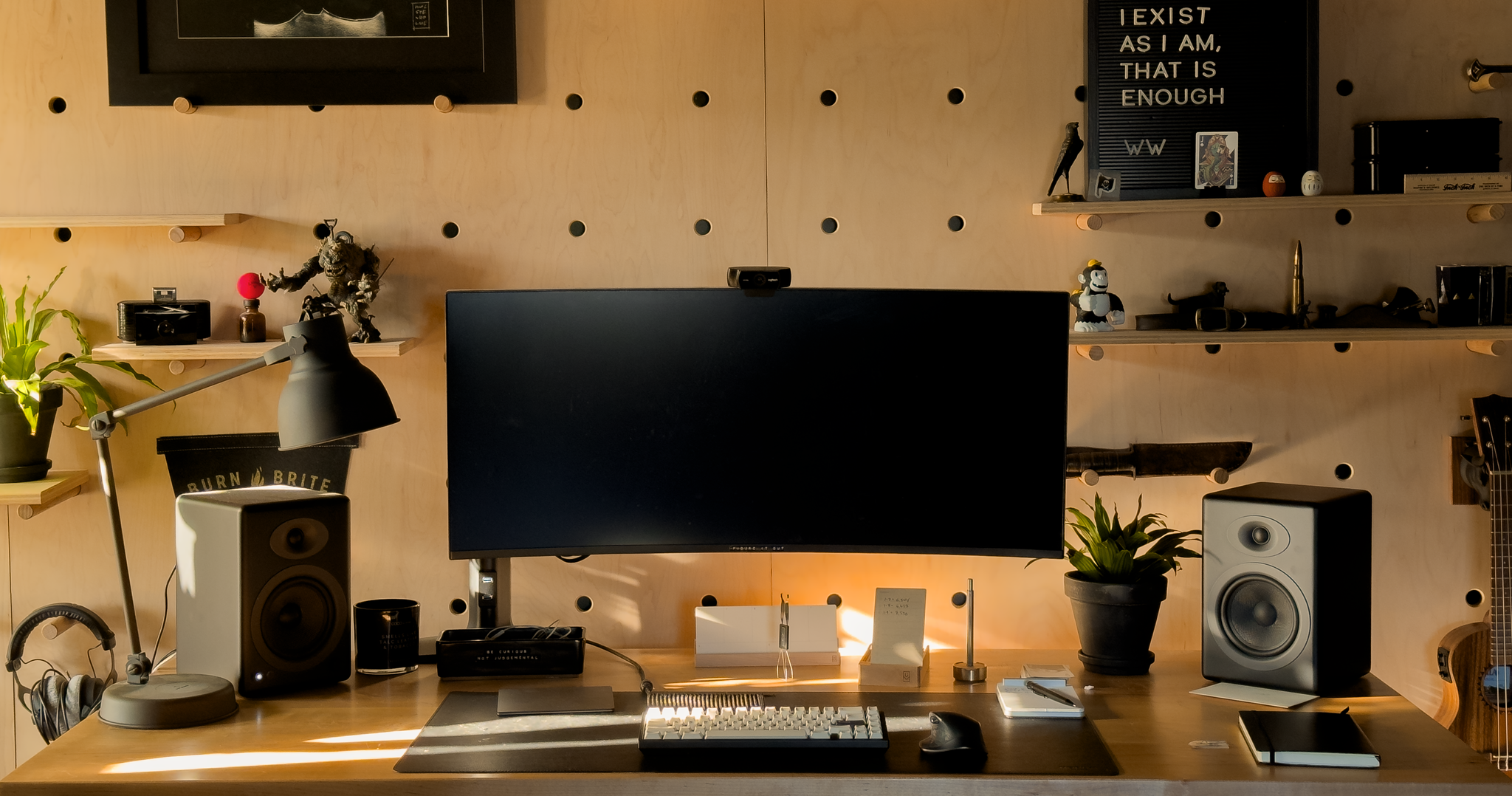
We sat at our desks, talked through where we were supposed to look, made sure we were in focus enough, and recorded the first episode.
Fittingly, the episode is about starting before you’re ready.
Because that’s the thing, isn’t it?
Most of the time, the thing you’re avoiding isn’t mysterious. You already know what it is. You need to send the email, show the work, finish the deck, publish the project, reach out to the person, make the offer, or stop reorganizing the idea and actually let it become something.
But unfinished things are safe.
A podcast you haven’t recorded can still be perfect. A personal project you haven’t released can still be the thing that changes your career. A capabilities deck you haven’t sent can still technically get a yes from everyone. A website you haven’t launched can still be the cleanest, smartest, most strategically devastating website the creative industry has ever seen.
The second it exists, reality gets a vote.
That’s the scary part.
Not the work. The exposure.
And I get it.
Steph talked in the episode about some of the baggage she carried from being on camera in the past. Comments about her appearance. Comments about her voice. The kind of stuff people toss out casually, not realizing it can sit in someone’s nervous system for years.
I talked about a different flavor of the same thing. For me, it’s the curse of knowing what good can look like.
The more experience I have, the easier it is to see everything that could be better. The better camera angle. The better edit. The better narrative. The better structure. The better version.
And that can be useful when you’re trying to make great work.
It can also be poison when it keeps the work from existing at all.
So toward the end of the episode, we gave a few practical ways to get unstuck. Not in a fake motivational-poster way. More in a “you still need to do the thing, so here’s how to make it smaller and less dramatic” way.
The first is to show the work to someone safe, but honest.
Not your dog. Your dog loves you.. but has terrible taste.
Show it to a person who can actually respond. Someone who cares about you, but will also tell you the truth. Someone who won’t dunk on you for sport, but also won’t let you hide behind fake humility.
Because sometimes you need another human being to look at the thing and say, “This is good. Send it.” Or, “This part is confusing. Fix it, then send it.” Or, very lovingly, “You are being ridiculous. Put the work into the world.”
That kind of feedback matters, especially when your own perception is warped by being too close to the work.
The second is to find someone who will call you out.
Lovingly, of course. But still call you out.
Steph and I do this for each other constantly. She calls me out when I’m turning a simple piece of content into a cinematic universe. I call her out when she’s choosing the safe project instead of the one she actually knows she should be making.
That’s not always comfortable, but it is almost always useful.
Most creatives don’t need more people saying, “Take your time, you’ll know when you’re ready.” Sometimes you need someone to say, “Nope. That’s fear dressed up as strategy.”
You need someone who can see the pattern while you’re still inside it.
The third is to define your minimum viable perfect.
Not perfect perfect.
Minimum viable perfect.
→ What is the smallest version of this thing that still does the job?
That question will save you from yourself, because if you’re anything like me, the original idea is never the problem. The problem is what the idea becomes after the good idea fairy gets ahold of it.
The podcast becomes a studio build. The website becomes a six-month rebrand. The portfolio update becomes a complete repositioning exercise. The personal project becomes a product line, a launch campaign, and a documentary short.
No wonder you don’t want to start.
You accidentally turned a useful task into a mountain.
So cut it down. Ask yourself what the smallest useful version is. What’s the version you can actually finish? What’s the version that would let you learn, improve, and go again?
Because you can always make another one. You can record another episode, send another email, update the deck, rebuild the website later, revise the project, or make the next version better.
But you cannot improve the thing that never gets made.
The fourth is the simplest and probably the most annoying:
Give it fifteen minutes.
That’s it.
Fifteen minutes on the thing you’re avoiding.
But here’s the rule. For those fifteen minutes, you can either do the thing or do nothing.
No email. No Notion. No Slack. No “quickly checking something.” No suddenly deciding your desk needs to be rearranged. No making a fresh cup of tea and pretending that counts as creative preparation.
You do the thing, or you sit there.
That’s the whole game.
And if the project has a ton of resistance around it, stop after the first fifteen minutes. Literally stop. Let your brain learn that starting the thing doesn’t mean getting swallowed by it.
Then come back the next day and do it again.
Eventually, you’ll hit the end of the fifteen minutes and realize you’re already in it. You’re not negotiating with the resistance anymore. You’re just working.
That’s the point. Not becoming a different person. Not waiting until you feel brave. Not needing the perfect conditions to finally appear.
Just building enough motion that the thing starts moving with you.
So yeah, we started the podcast before it was perfect.
The lighting wasn’t perfect, the setup wasn’t perfect, and my dream version with cameras moving around on ceiling tracks was, tragically, not approved.
But the conversation was real. The topic matters. And the first one exists now.
That counts.
👉 You can listen to episode one here:
Write a title for your video here
And after you listen, maybe pick the thing you’ve been avoiding and give it fifteen minutes.
Show it to one honest person. Find the person who will call you out. Define the smallest useful version. Then do the thing, or sit there doing nothing until doing the thing becomes less painful than avoiding it.
Make stuff, show people, share the journey. That's the game, and I hope we're all grateful that we're able to play it.
See you soon,
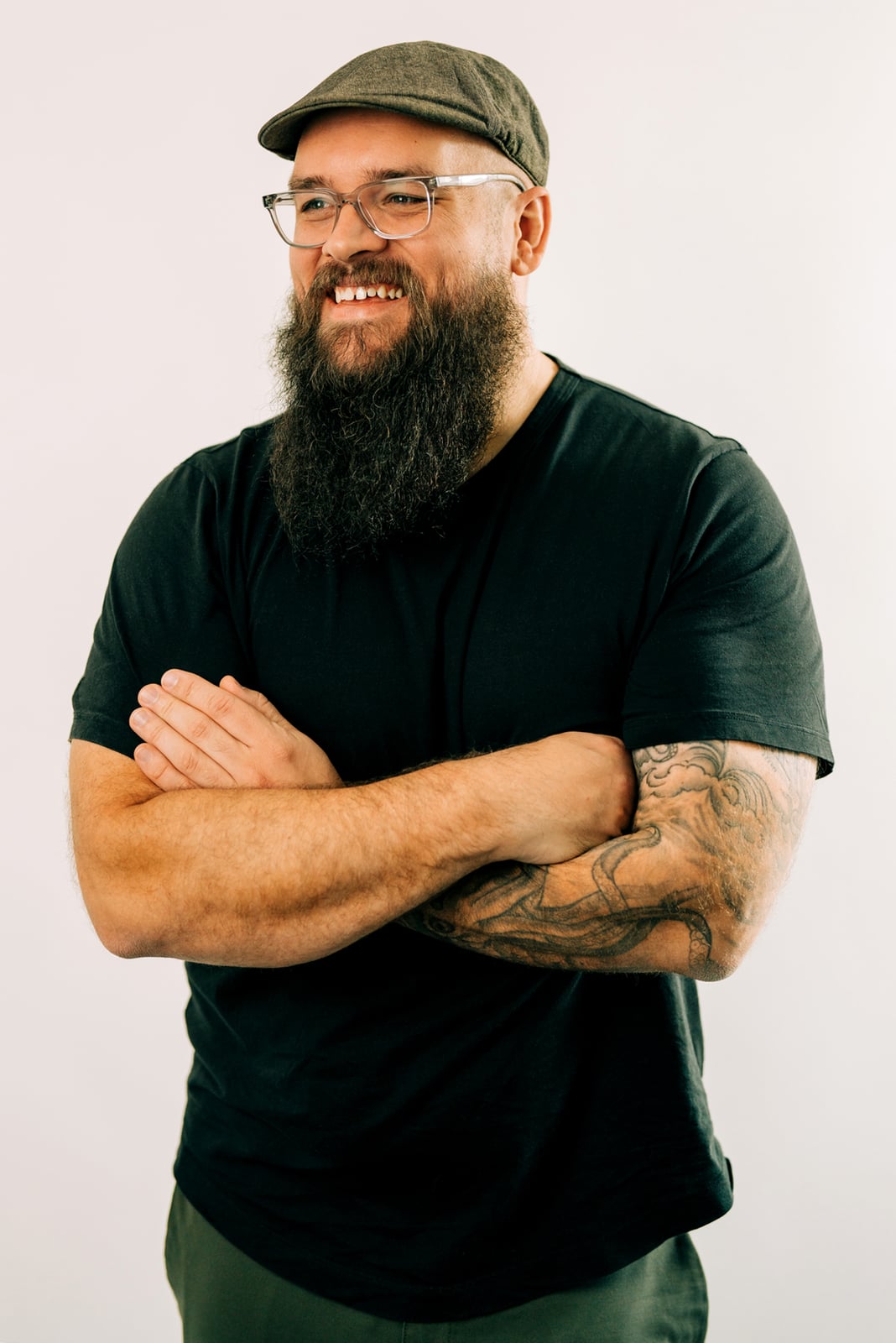
Ben Burns
Co-Founder, Maker Division
P.S.If you need the honest person, the accountability, the feedback, and the structure, that’s a big part of why Maker Division exists.
Inside the membership, we help creatives get the work out of their heads, into the world, and in front of the people who can hire them.
You get the curriculum, the community, weekly coaching, and a room full of people who will lovingly call you out when you’re making the work harder than it needs to be.Join us here.
P.p.s.We’ve got some KILLER stuff coming your way when we get back from our spring retreat… some killer FREE stuff. Stay tuned.
Andy Anderson:
The Watchlist
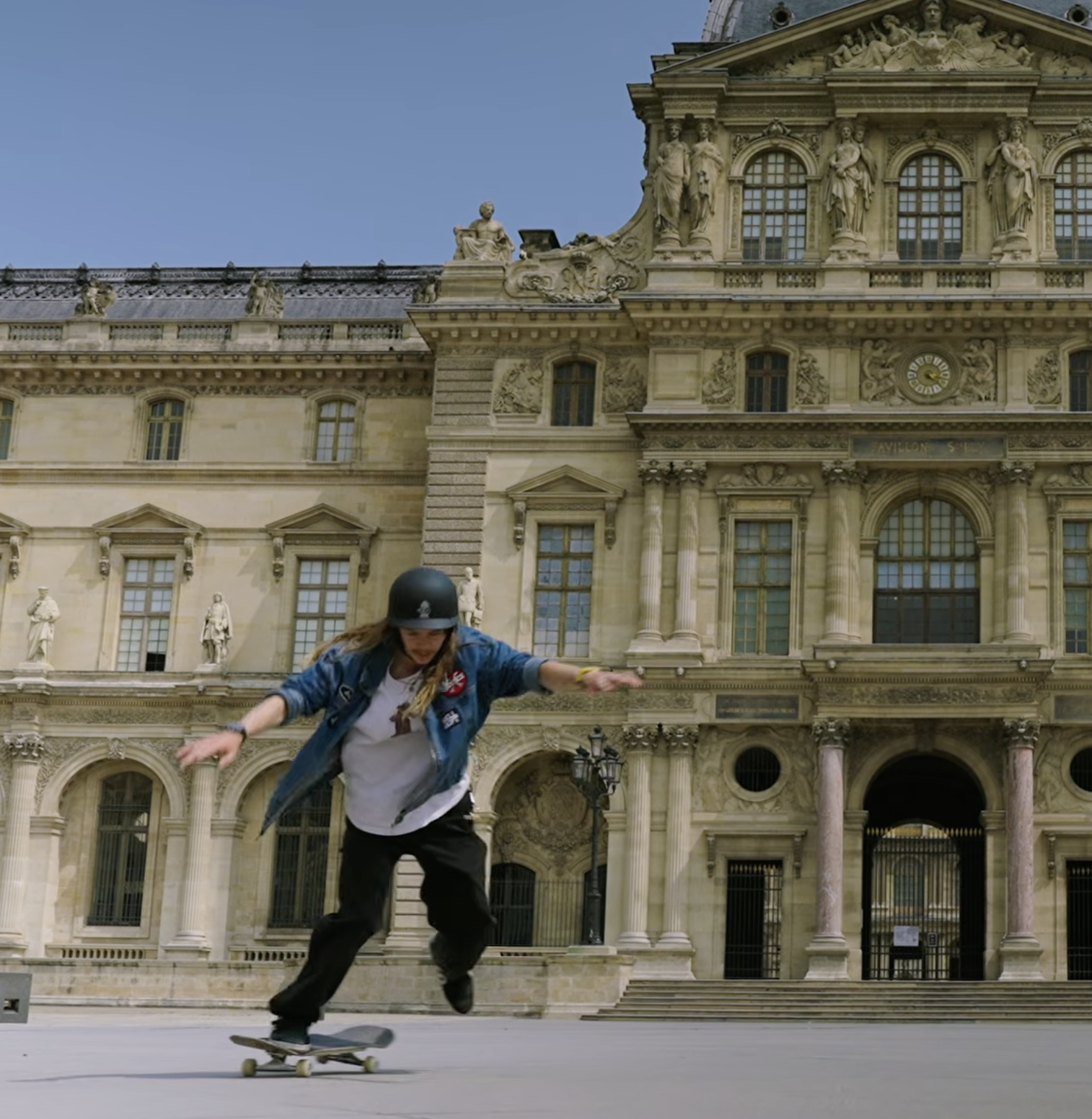
The shape of paris The video that inspired me to pick up skateboarding again… and promptly tear my rotator cuff. Watch it for the stunning cinematography and beautiful freestyling.
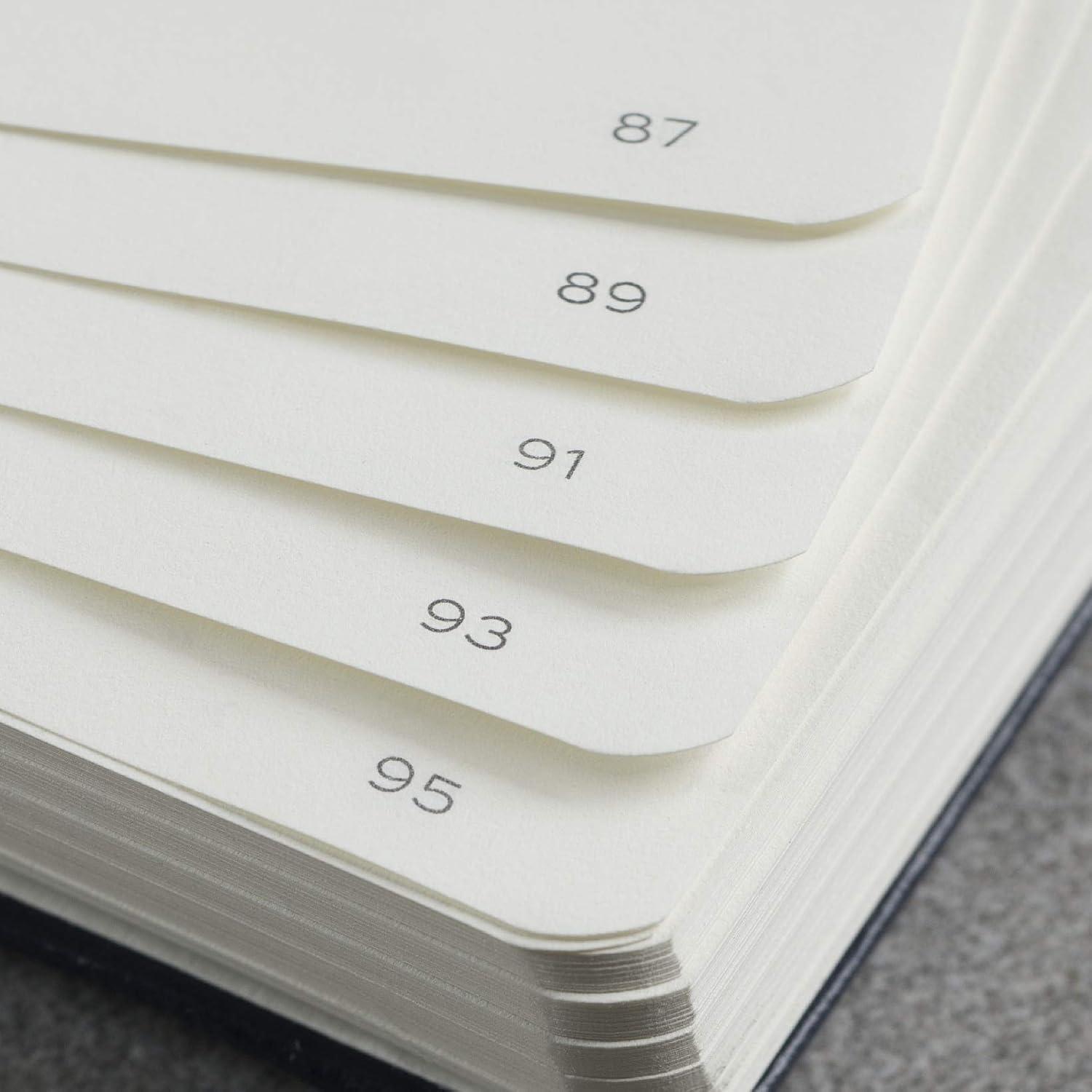
Leuchtturm1917 Dotted notebook
The Bookshelf
OK this is the notebook where great ideas come to life. Incredible paper quality, numbered pages… scrawl away in luxury. Just don't worry about “ruining” such a nice sketchbook, mmmkay?
The Sink
The Soundtrack
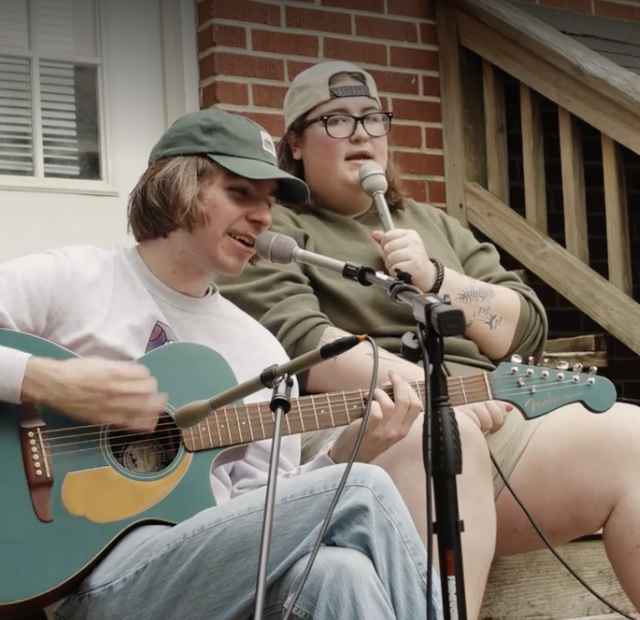
Hey, Nothing I'm sure I've shared this song before, but it constantly resurfaces in my library. Love the harmony and the counterpoint near the end. Really cool to see a young group come alive like they have!


RElated issues
I didn't have a portfolio
The Business Burnout Cure
Looking back, I know now that was never the case.
Build a creative business you love
Start with a side hustle. Grow into full-time freelance. Scale into a studio. Maker Division gives creatives the systems, feedback, and community to keep growing.