Muse lasted thirty years by never fitting in. A point of view doesn't expire.
If you've spent any amount of time around me, you already know this:
I'm a huge Muse fan.
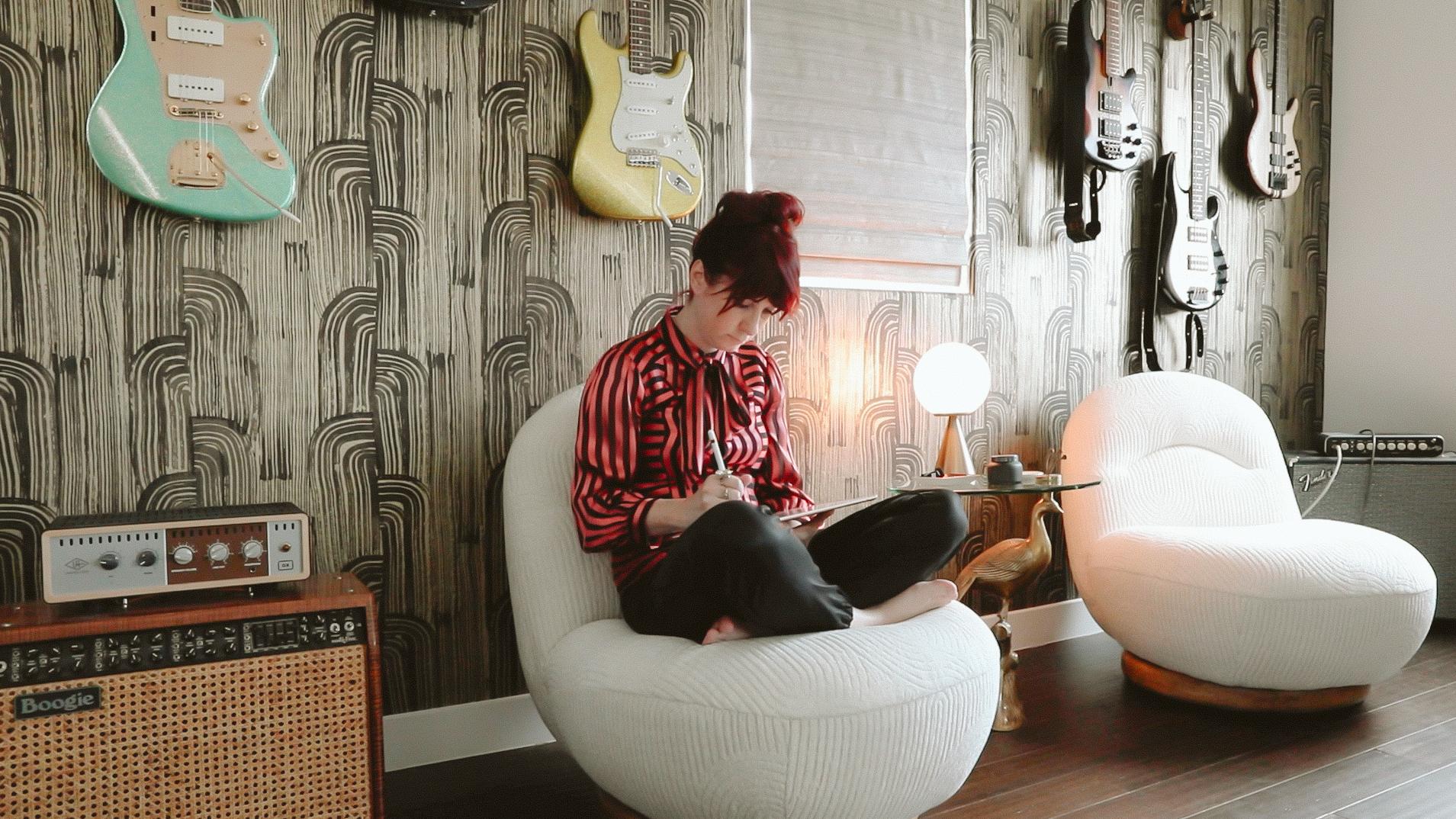
I've seen them nine times. They're the only band I've ever traveled to see. I own a Matthew Bellamy signature guitar that I can't play nearly as well as I'd like.
Their music has been the soundtrack to countless late nights in the studio and early mornings in the classroom over the last two decades.
A few weeks ago, they released their tenth studio album, The Wow! Signal. It became their eighth #1 album in the UK.
Over thirty years into their career, they're still here.
And I don't think that's an accident.
When Matt Bellamy was recently asked why he thought Muse had lasted so long, he pointed to something that caught my attention.
Back in the late 1990s, when Britpop, nu-metal, and garage rock were defining the conversation, Muse was doing something undefinable.
"We didn't fit in with any of those things... The fact that we somehow found an audience without being part of a trend is amazing, and I think that's why we're still here. We are the definition of alternative."
Muse never really fit into whatever was happening around them. They simply kept making the music they wanted to make. They found the people it resonated with, and over time, that audience grew with them.
One album is a dystopian rock opera. The next blends Chopin-inspired piano with synthesizers and metal breakdowns. They write songs about signals from non-human intelligence, drone warfare, revolutions, the laws of thermodynamics, and somehow make it all sound unmistakably like...Muse.
I've been thinking about that a lot lately.
Because that's exactly the kind of studio I strive to have.
Not one that looks like everyone else's.
Not one that pivots every time the industry changes direction.
One that's unmistakably mine and my husband's.
A place where cocktail videos somehow live alongside lettering and philosophical illustrations.
Where rock music inspires design. Where business conversations coexist with beautifully made objects. Where we get to follow ideas that probably don't make sense on paper until they eventually do.
For years, I worried those interests were too scattered.
Now I think they're the point.
People have always described Muse as weird. Overdramatic. Too theatrical. Too much.
They never seemed particularly interested in sanding off those edges.
Maybe we all shouldn't be either.
Because without those edges, I probably wouldn't be the mega-Muse fan that I am. Because I love the weird theatricality and depth that is Muse.
So here's my encouragement this week:
Lean into the thing that makes your work a little harder to categorize.
Follow the curiosity that doesn't fit the industry's playbook.
Be a little weirder.
Because trends have an expiration date.
A point of view doesn't.
Stephanie Owens
Muse Super Fan
Encourager of Weirdness
Co-Founder | Maker Division
P.S. If this week's note resonated with you, that's exactly what we're building at Maker Vegas this fall. Two days dedicated to helping you develop a personalized brand strategy and 90-day roadmap for a solo studio that's built around your point of view — not someone else's business model. Because the goal isn't to become the next anyone. It's to become unmistakably you.
The wow! signal
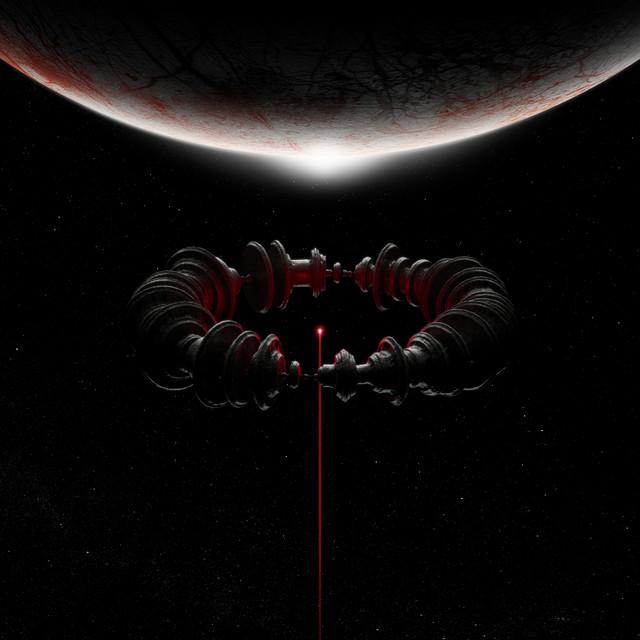
Now Playing
What can I say? My favorite band has a new album, so obviously it's on repeat. Favorite track is “The Dark Forest” followed very closely by “The Sickness in You & I” but if you're looking for something a little more radio friendly, might I suggest “Hush.”
Widow's Bay
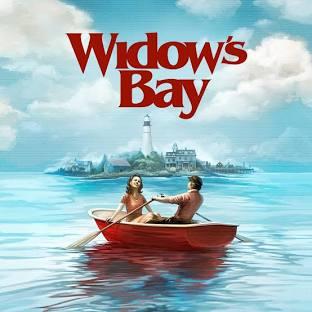
Now Streaming
Widow's Bay is the next Martha's Vineyard. And it's definitely not cursed. Why? What have you heard? None of it is true. But if you're offered cocktails after sunset, politely decline. We also have no comment on the fog.
Mary Blair
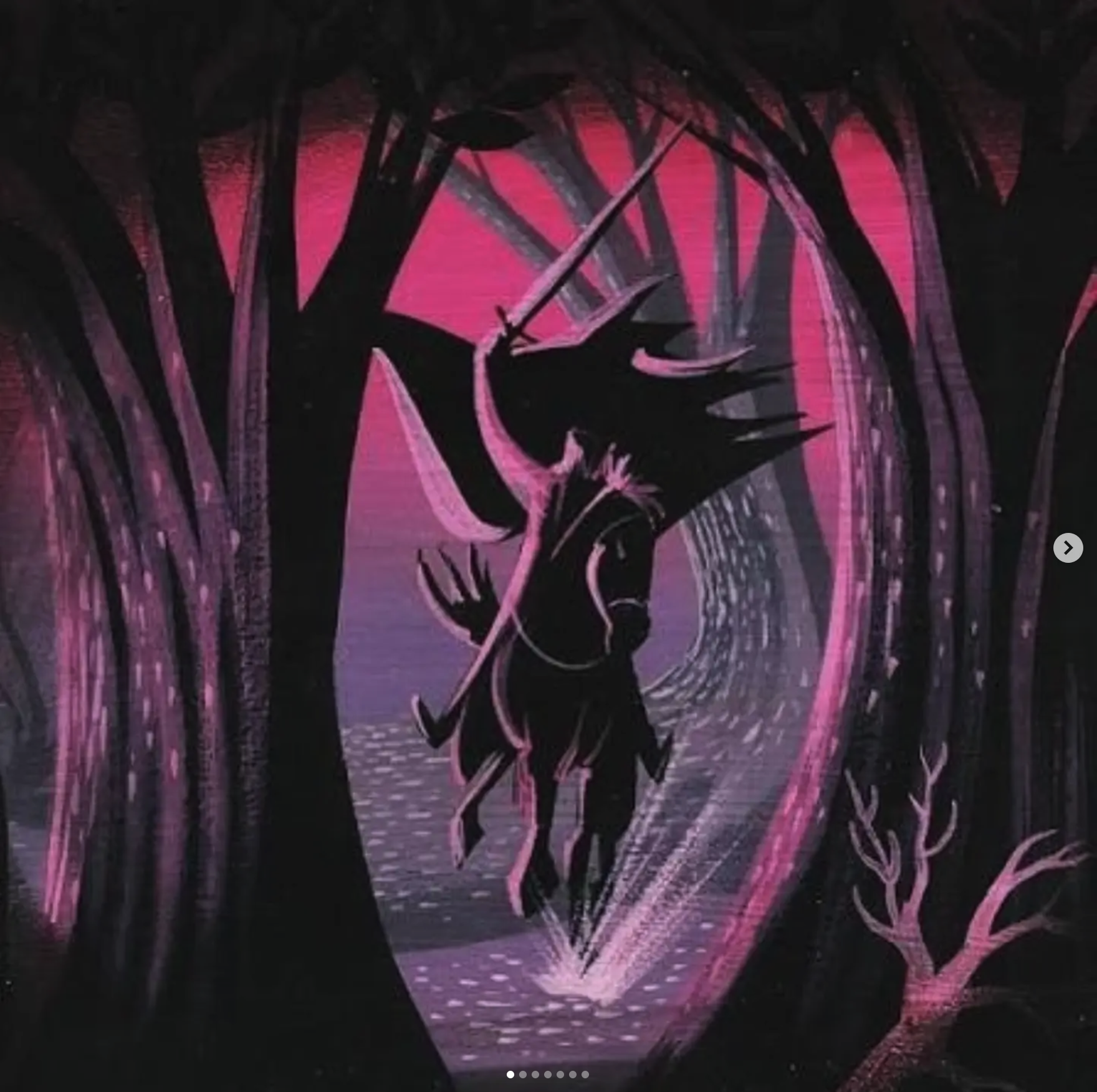
Inspiration Corner
I recently learned that many of our Division members weren't familiar with the work of Mary Blair so I tired to find the best compilation of her work that's available online to share. Unfortunately most of her work is in books but her Instagram has a large number of both personal work and work she did for Disney to check out. One of my favorites.


RElated issues
I didn't have a portfolio
Some thoughts on doing work for yourself.
Trent Reznor gave me an idea.
Build a creative business you love
Start with a side hustle. Grow into full-time freelance. Scale into a studio. Maker Division gives creatives the systems, feedback, and community to keep growing.